

Feeling overwhelmed by constant notifications and endless scrolling? You're not alone. The average person checks their phone 80 times daily, losing focus and mental energy. This habit isn't by chance - it's how technology is designed. But mindfulness can help. Studies show that just 8 weeks of mindfulness can reduce phone-checking by 60%. Here’s how you can take back control:
- Notice your habits: Pause before picking up your phone and ask why.
- Set boundaries: Silence notifications and limit app use during focused hours.
- Create mindful routines: Start mornings with deep breaths and stop screen use 1–2 hours before bed.
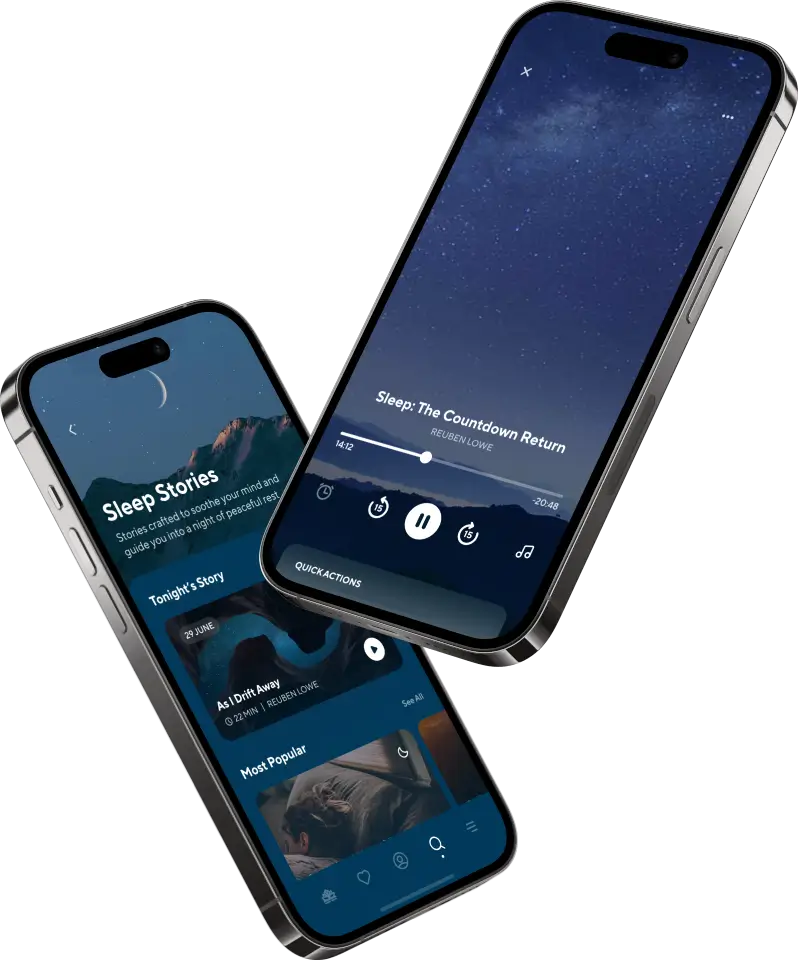
Tools like guided meditations and sleep stories can make it easier to stay present. You don’t need to give up technology - just use it more intentionally.

Digital Distraction Statistics and Mindfulness Impact
Mindful Media Consumption - and How to Unplug
What Digital Distractions Are and How They Affect You
Digital distractions are those activities that pull your attention away from what you're doing. They show up in two main ways: external triggers like notifications, emails, and alerts, and internal urges like the fear of missing out (FOMO) that makes you check your phone even when nothing new is happening. These distractions aren’t accidental - they’re intentionally built into the tech we use. The tech industry thrives on what’s called the "attention economy", where your focus is treated as a resource to be captured. Features like infinite scrolling and algorithm-driven feeds are designed specifically to keep you engaged, often at the expense of your well-being. These tools can lead to negative effects on your brain and body.
The statistics are eye-opening. On average, young adults spend over five hours daily on their smartphones, checking them roughly every 11 minutes. For adolescents, the impact can be even more severe. Those who spend over five hours a day on digital devices are 70% more likely to experience suicidal thoughts or behaviors compared to those who limit their screen time to under an hour. Beyond the mental toll, excessive screen use also brings physical problems like eye strain, headaches, and pain in the neck and shoulders.
How Constant Notifications and Screen Time Affect Your Brain
Every time your phone buzzes or pings, it triggers a stress response. Your amygdala - the part of your brain responsible for detecting threats - goes into action, releasing cortisol, the stress hormone, as if you’re in danger. This keeps you in a constant state of alertness, which drains your energy faster than you can recover. And when you’re interrupted mid-task, your brain has to reset each time you refocus, leading to mental fatigue.
Social media takes this a step further. Every like, comment, or share you receive causes a dopamine release - the same chemical linked to addiction. Over time, this rewires your brain, making it harder to concentrate on tasks that don’t provide instant gratification. A study conducted in April 2016 by researchers Thomas E. Gorman and C. Shawn Green at the University of Wisconsin-Madison revealed that heavy media multitaskers performed worse on attention-related tasks. Their ability to filter out irrelevant distractions was significantly reduced. Add to this the impact of screen exposure before bed: blue light suppresses melatonin production and cuts sleep time by an average of 16 minutes. These effects highlight how digital habits can disrupt both your focus and your overall health.
How Mindfulness Helps Counter Digital Habits
Mindfulness offers a powerful way to combat the brain’s stress response to digital distractions. By increasing awareness of your impulses, mindfulness helps you pause before acting on them. This works because mindfulness literally reshapes your brain: it strengthens the prefrontal cortex, which manages focus and decision-making, while calming the amygdala, which handles fear and stress.
In the same 2016 study, participants who practiced three 10-minute sessions of breath-focused meditation showed significant improvements in their attention compared to those who spent the same time browsing the internet. Interestingly, heavy media multitaskers experienced the greatest benefits from this short mindfulness practice, temporarily reversing their struggles with attention. This research shows that mindfulness doesn’t just help you resist distractions - it actively rebuilds your ability to concentrate over time.
Mindfulness Techniques to Cut Down on Digital Distractions
Now that we’ve explored how digital habits impact the brain, it’s time to put mindfulness into practice. These strategies aren’t about ditching technology altogether - they’re about using it with purpose instead of reacting on impulse. Let’s dive into some practical ways to make your digital interactions more deliberate.
Pay Attention to Your Screen Habits
Start by noticing why you reach for your device. Ask yourself: Why am I picking this up? What do I actually need? Will this help me right now?. This quick mental check can shift your behavior from mindless scrolling to intentional use.
Incorporate awareness anchors into your day - like when you open your email or sit down to eat. Use these moments to take three deep breaths and notice any tension in your body, such as clenched shoulders or shallow breathing. These small pauses can help you stay grounded and break the habit of autopilot scrolling.
To sharpen your focus, try monotasking. Commit to working on just one browser tab for 25 minutes at a time. Considering that the average worker switches tasks 1,200 times a day, even small changes in focus can make a noticeable difference.
Set Boundaries with Notifications and Apps
Notifications can easily trigger stress and derail your focus. Managing these external triggers is just as important as cultivating personal awareness. Try “notification fasting” by silencing all alerts for specific two-hour blocks - like 9–11 AM or 2–4 PM. If that feels like too much, start with one hour and gradually work your way up.
Turn off automated app notifications and allow only essential alerts from people. You can also make your phone less enticing by switching to a grayscale display, which reduces the visual appeal of apps. For apps you find particularly addictive, add extra steps - don’t save passwords or remove the app from your home screen. Even something as simple as pausing for a deep breath before opening a social media app can help interrupt the cycle of instant gratification.
Build Mindful Routines for Work and Rest
Creating mindful routines can help you stay focused during the day and fully unwind during downtime. Start your morning by spending two minutes in bed simply noticing your breath before reaching for your phone. This small habit can set a calm, intentional tone for the day ahead.
During work hours, try batching tasks like checking emails and messages at set times - say, 10 AM, 12 PM, and 3 PM - rather than constantly monitoring them. Take a one-minute mindfulness break every hour to curb the urge for compulsive checking.
At night, adopt a “sunset” rule: stop using screens 1–2 hours before bed and charge your phone in another room. You might also try a digital sabbath - dedicating one day or even half a day each week to unplug from non-essential devices. This time off can create space for genuine rest and connection. These mindful habits not only support better focus but also help lower stress over the long term.
sbb-itb-bea8dce
How The Mindfulness App Supports Digital Wellness
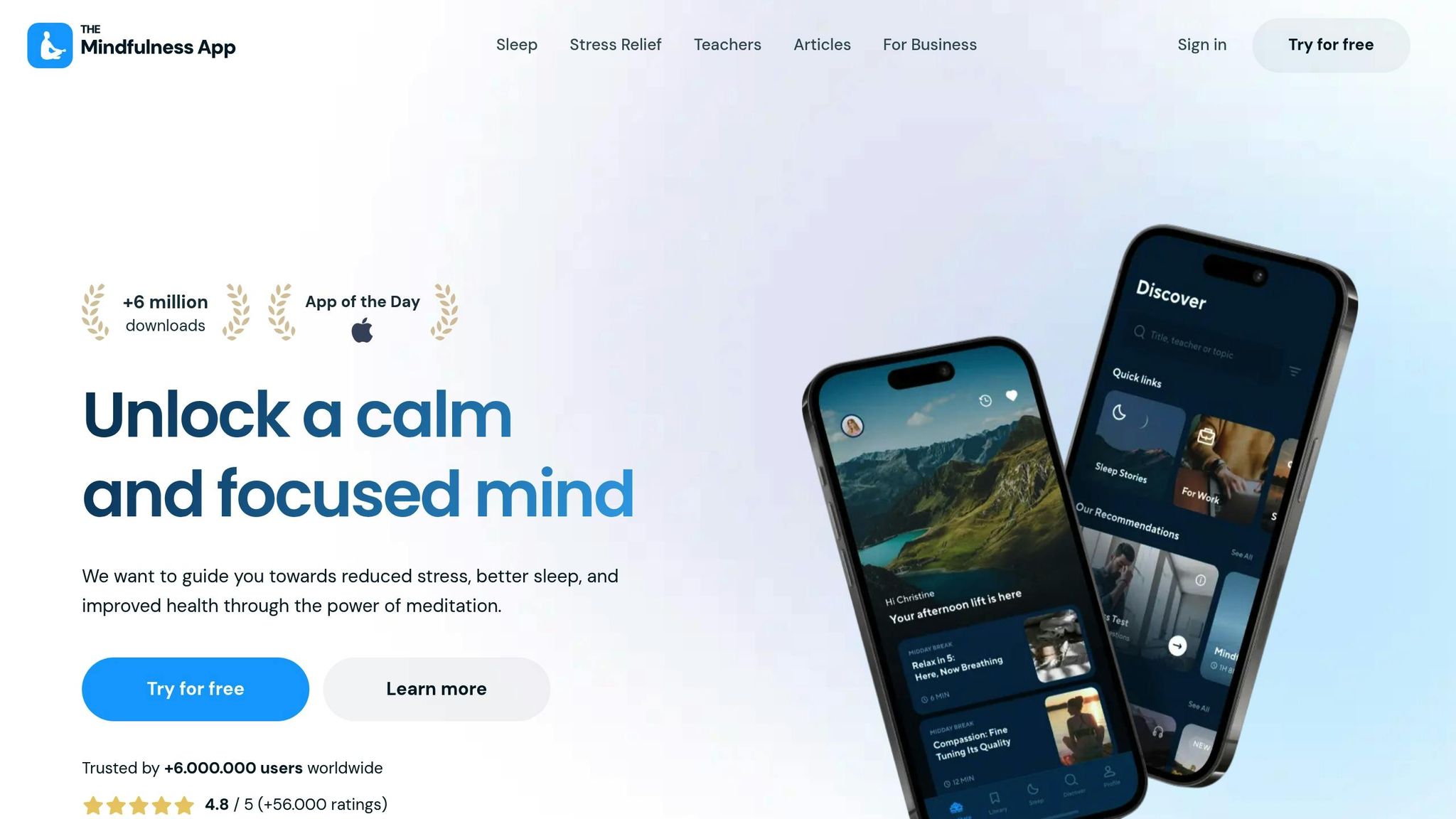
Mindfulness tools make it easier to maintain balance in your digital life. The Mindfulness App brings together over 500 guided meditations, sleep stories, and mindfulness courses, all tailored to help you manage your relationship with technology and stay present. With options available in 12 languages, offline accessibility, and progress tracking, the app fits seamlessly into your mindfulness routine, complementing the practices you may already be exploring.
Guided Meditations for Better Focus
Struggling to stay focused during work or study? Guided meditations designed for focus can help. These sessions teach you to recognize distractions - like the irresistible urge to check your phone - and gently redirect your attention back to the task at hand. By practicing this regularly, you can build resilience against the constant pull of digital interruptions. The app offers session lengths ranging from 3 to 99 minutes, making it easy to fit into any schedule. You can even set daily reminders for brief mindfulness breaks to help curb autopilot phone-checking habits.
Research shows that just 8 to 10 minutes of breath-focused meditation can significantly enhance sustained attention. Consistent practice, supported by features like these, can reduce reflexive phone usage by up to 60% in just eight weeks. Plus, the app’s Apple Watch integration allows you to track your practice without needing to pick up your phone, further minimizing distractions.
Sleep Stories for Screen-Free Evenings
Replacing late-night scrolling with calming audio can have a noticeable impact on your sleep. The app’s sleep stories are designed to help you wind down and establish a screen-free bedtime routine. Why does this matter? Blue light from screens can suppress melatonin production and shorten total sleep time by about 16 minutes. Instead of scrolling through apps, you can download these stories for offline use, creating a peaceful transition to sleep without the interference of screens.
Track Your Progress and Build Consistent Habits
Building new habits often feels like the hardest part of any wellness journey. To make this easier, the app includes progress tracking tools that let you view personalized stats and sync with the Apple Health App to log "Mindful Minutes". Users worldwide have already recorded an impressive 180 million Mindful Minutes through the app, showing how small, daily practices can add up over time.
For extra motivation, the app features wellness challenges like the "Daily Mental Reset" (January 2026), which encourages consistent meditation to create lasting habits. You can start with a 14-day free trial before deciding on a premium subscription, which costs $9.99 per month or $79.99 per year.
Conclusion
Digital distractions don’t have to run your life. By weaving mindfulness into your daily routine, you can break the habit of instinctively reaching for your phone. Start small - pause for a moment and ask yourself why you’re picking up your device, or try charging your phone outside your bedroom. These tiny shifts can create the space you need to move from mindless scrolling to purposeful use.
And there’s science to back this up. Studies reveal that just eight weeks of regular mindfulness practice can cut reflexive phone checking by 60%. This practice strengthens the prefrontal cortex, improving focus, while calming the amygdala, which helps reduce stress.
To make mindfulness easier to adopt, explore tools that encourage these habits. For instance, The Mindfulness App offers guided meditations to enhance focus, sleep stories to replace bedtime scrolling, and progress tracking to keep you on track. With over 500 tracks in 12 languages and a 14-day free trial, it’s a helpful way to get started.
You don’t have to ditch all your apps or retreat to the wilderness to find balance. The answer lies in simple, sustainable mindfulness. Begin with a short daily pause and gradually build a routine. Every small, intentional step can lead to meaningful, lasting change.
FAQs
How can mindfulness help me reduce my phone use?
Mindfulness can help you break the cycle of instinctively reaching for your phone by encouraging you to pause and acknowledge the urge before acting on it. For instance, when a notification pops up, taking a moment to breathe and reflect can ease the stress that often fuels the habit of compulsive checking. Over time, this practice builds your ability to decide whether your phone truly requires your attention.
Simple strategies, like taking three deep breaths before unlocking your phone or setting clear intentions - such as telling yourself, "I’ll check my phone after completing this task" - can promote healthier habits. Tools like The Mindfulness App, which offers guided meditations and courses to enhance focus and minimize digital distractions, can also be helpful. By weaving these practices into your daily routine - whether during your morning coffee or while waiting in line - you can gradually cut down on screen time and boost your overall well-being.
How can I create mindful habits to manage digital distractions?
Creating healthier habits around technology can help you stay focused and cut down on distractions. Try these practical tips to regain control of your tech use:
- Set device-free times: Pick specific moments, like family meals or the hour before bed, to step away from screens. Sticking to these times regularly can turn them into part of your routine.
- Manage notifications: Disable nonessential alerts to avoid constant interruptions and resist the urge to check your phone without reason.
- Pause with intention: Before tapping on an app, take a moment to breathe or think about why you're opening it. This simple pause can make your tech use more purposeful.
Making small adjustments like these can help you develop a more balanced relationship with technology and stay present in your everyday life.
What is the attention economy, and how does it affect my focus?
The attention economy describes how technology companies compete for your focus, treating your attention as a resource they can monetize. Through tactics like notifications, personalized algorithms, and endless scrolling features, these platforms aim to keep you engaged for as long as possible. This often leads to habits like compulsively checking your phone, juggling multiple tasks at once, and feeling perpetually distracted. In fact, research reveals that we’re fully focused on our tasks less than half the time, as digital interruptions continually pull us away.
Mindfulness offers a way to reclaim your focus by helping you recognize when your attention has been diverted and gently bringing it back to the present moment. Small, intentional actions - such as pausing for a few deep breaths before opening an app or doing a quick body scan during a break - can interrupt the cycle of constant distractions. Apps like The Mindfulness App provide guided meditations and exercises designed to help you stay centered and manage the stress that comes with nonstop notifications.