
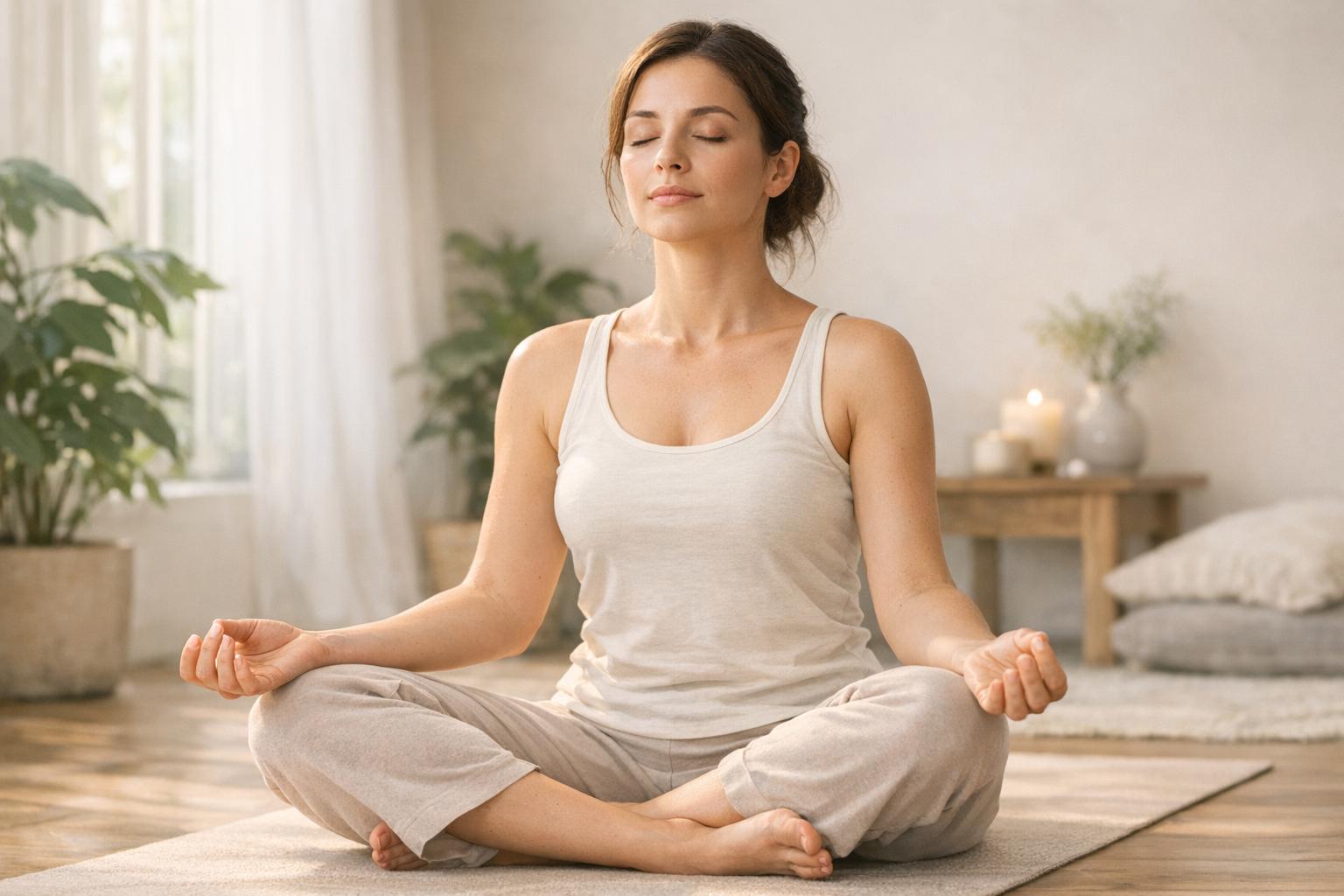
Your breath is a powerful tool for managing stress. When stress hits, your breathing becomes shallow and quick, which can heighten anxiety. But slowing and deepening your breath can activate your body’s natural calming systems. Controlled breathing impacts the vagus nerve, helping shift your body from a "fight-or-flight" response to a "rest-and-digest" state. This guide covers:
- Science of breathing: Slow breathing regulates your nervous system, balances oxygen and carbon dioxide levels, and reduces heart rate and blood pressure.
- Top techniques:
- Diaphragmatic breathing: Focuses on deep belly breaths for relaxation.
- Box breathing: A rhythmic 4-step cycle to reduce stress in high-pressure moments.
- 4-7-8 breathing: A method to calm anxiety and improve sleep.
- Daily integration: Use breathing exercises in the morning, during work breaks, or before bed to build a lasting routine.
Breathing exercises are simple, effective, and accessible anywhere. Even a few minutes daily can reduce stress and improve overall well-being.
Box breathing relaxation technique: how to calm feelings of stress or anxiety
How Breathing Reduces Stress: The Science
Conscious breathing has a direct impact on your autonomic nervous system, which oversees essential functions like heart rate and digestion. Here's a closer look at how intentional breathing can recalibrate your body's stress responses.
Fight-or-Flight vs. Rest-and-Digest
Your autonomic nervous system operates in two primary modes: the sympathetic system (commonly known as fight-or-flight) and the parasympathetic system (rest-and-digest). Slow, deep breathing activates the vagus nerve, which helps shift the body into a more relaxed state. Health journalist Daryl Austin explains it well:
"When this nerve [vagus] is activated through deep breathing, it sends calming signals throughout the body, helping to regulate heart rate, lower blood pressure, and improve circulation."
Breathing at a rhythm of about 6 breaths per minute is particularly effective. This pace aligns with the body's resonant frequency, boosting heart rate variability - a key marker of resilience. It also synchronizes blood pressure with heart rhythms, amplifying the calming effect.
Balancing Oxygen and Carbon Dioxide
While carbon dioxide (CO₂) is often labeled as a waste product, it plays a vital role in maintaining balance. Slow breathing slightly increases CO₂ levels, which dilates blood vessels and improves oxygen delivery. Patrick McKeown, an advisor at the International Academy of Breathing and Health, sheds light on this:
"Carbon dioxide is not just a waste gas but acts as a natural vasodilator by opening up blood vessels and allowing more oxygen-rich blood to reach the brain and the heart."
Breathing at this steady rhythm also optimizes alveolar ventilation - the process of delivering air to the tiny sacs in the lungs where oxygen exchange happens. By reducing dead space (air that doesn’t participate in gas exchange), slow breathing creates a more efficient balance between oxygen and carbon dioxide. These physiological shifts are the foundation for the breathing techniques covered in this guide, helping your body transition from stress to calm.
Best Breathing Techniques for Stress Relief

Breathing Techniques for Stress Relief: Comparison Guide
Here are three practical breathing techniques to help shift your body from stress to calm. These methods tap into the power of your breath to restore balance and tranquility.
Diaphragmatic Breathing
Also called belly breathing, this technique focuses on engaging your diaphragm, the dome-shaped muscle at the base of your lungs. It helps you use your full lung capacity, improving oxygen flow and promoting relaxation.
How to practice:
Lie on your back with your knees bent. Place one hand on your chest and the other just below your rib cage. Breathe in slowly through your nose, letting your stomach rise against your hand while keeping your chest still. Exhale through pursed lips (as if you're whistling) while gently tightening your stomach muscles. Start with 5 to 10 minutes, 3 to 4 times a day, and increase as you get comfortable.
This method is particularly useful for managing chronic conditions like COPD, heart issues, and stress-related IBS.
Box Breathing
Box breathing, also known as square breathing, uses a simple four-step cycle to calm the nervous system. Each step - inhaling, holding, exhaling, and holding again - takes the same amount of time, creating a steady rhythm that helps regulate your breathing.
How to practice:
Picture a square as you breathe. Inhale through your nose for a count of 4, hold your breath for 4 counts, exhale through your mouth for 4 counts, and pause for 4 counts before starting again. Repeat this cycle for 2 to 5 minutes, or until you feel more at ease.
This technique is especially helpful in high-stress moments like public speaking or intense meetings.
4-7-8 Breathing
Created by Dr. Andrew Weil and inspired by ancient yogic practices, 4-7-8 breathing acts as a natural relaxant for your nervous system. The extended exhale - twice as long as the inhale - activates your parasympathetic system, helping to quiet anxious thoughts and promote deep relaxation.
How to practice:
Start by exhaling completely through your mouth with a whooshing sound. Close your lips and inhale quietly through your nose for 4 counts. Hold your breath for 7 counts, then exhale through your mouth with a whooshing sound for 8 counts. Repeat the process three to four times. If you feel lightheaded, reduce the number of cycles.
This technique is perfect for calming anxiety, preparing for sleep, or unwinding after a long day. As Maryanna Klatt, PhD, Clinical Professor at Ohio State Wexner Medical Center, explains:
Breathing is a remote control for the brain.
To get the most out of these techniques, rotate them based on your needs. The table below outlines when each method works best.
| Technique | Inhale | Hold | Exhale | Hold/Pause | Best Used For |
|---|---|---|---|---|---|
| Diaphragmatic | Slow, through nose | N/A | Slow, through pursed lips | N/A | Managing daily stress & chronic health issues |
| Box Breathing | 4 seconds | 4 seconds | 4 seconds | 4 seconds | High-pressure moments & improving focus |
| 4-7-8 Breathing | 4 seconds | 7 seconds | 8 seconds | N/A | Easing anxiety, insomnia, and winding down |
sbb-itb-bea8dce
Adding Breathing Techniques to Your Daily Routine
Finding lasting stress relief often comes down to consistency. Start small - just 2 to 5 minutes of focused breathing each day - and gradually increase as it becomes second nature. Even a few intentional breaths can transform the tone of your day.
Incorporating breathwork into your daily routine strengthens its calming effects. The key isn’t how long you practice but how regularly. Setting aside time once or twice a day helps train your mind and body to associate the routine with relaxation. Think of it this way: we’ve all spent years perfecting the art of distraction, so naturally, it takes time to build the habit of focused breathing.
What’s great about breathing exercises is their versatility. You can do them while standing, sitting, or lying down - practically anywhere. To make it easier, try pairing your breathing practice with something you already do, like having your morning coffee, commuting, or washing dishes.
Morning Breathing for a Calm Start
Kick off your day with 5 to 10 minutes of deep belly breathing right after waking up. You can even do it while still lying in bed. This simple habit helps you start your day feeling calm and focused before the pressures of daily life take hold. Morning breathing exercises also build mental resilience, making it easier to handle challenges ahead.
To get the most out of it, focus on letting your abdomen rise more than your chest. This technique promotes clarity and sets a positive tone that can carry you through the rest of your day.
Breathing Breaks During Work
Use workday transitions as opportunities for intentional breathing. Whether it’s the moments before a meeting, sitting in traffic, or walking to the break room, these are perfect times to practice techniques like box breathing or simple breath focus. If you’re feeling stressed - say, before a big presentation - try box breathing. It’s as simple as inhaling for 4 counts, holding for 4, exhaling for 4, and pausing for 4. This method can quickly help shift your body out of fight-or-flight mode.
Evening Breathing for Better Sleep
As the day winds down, pairing your breathing exercises with your evening routine can help you relax and prepare for sleep. Techniques like the 4-7-8 method or humming bee breath (Bhramari) are especially effective at quieting a racing mind and signaling your body that it’s time to rest. For the 4-7-8 technique, practice 3 to 4 cycles in a quiet spot while wearing loose, comfortable clothing. This slows your heart rate and activates your parasympathetic nervous system, setting the stage for a good night’s sleep.
Even just a few minutes of this practice can create what researchers describe as a "reserve of inner calm".
Using The Mindfulness App for Stress Relief
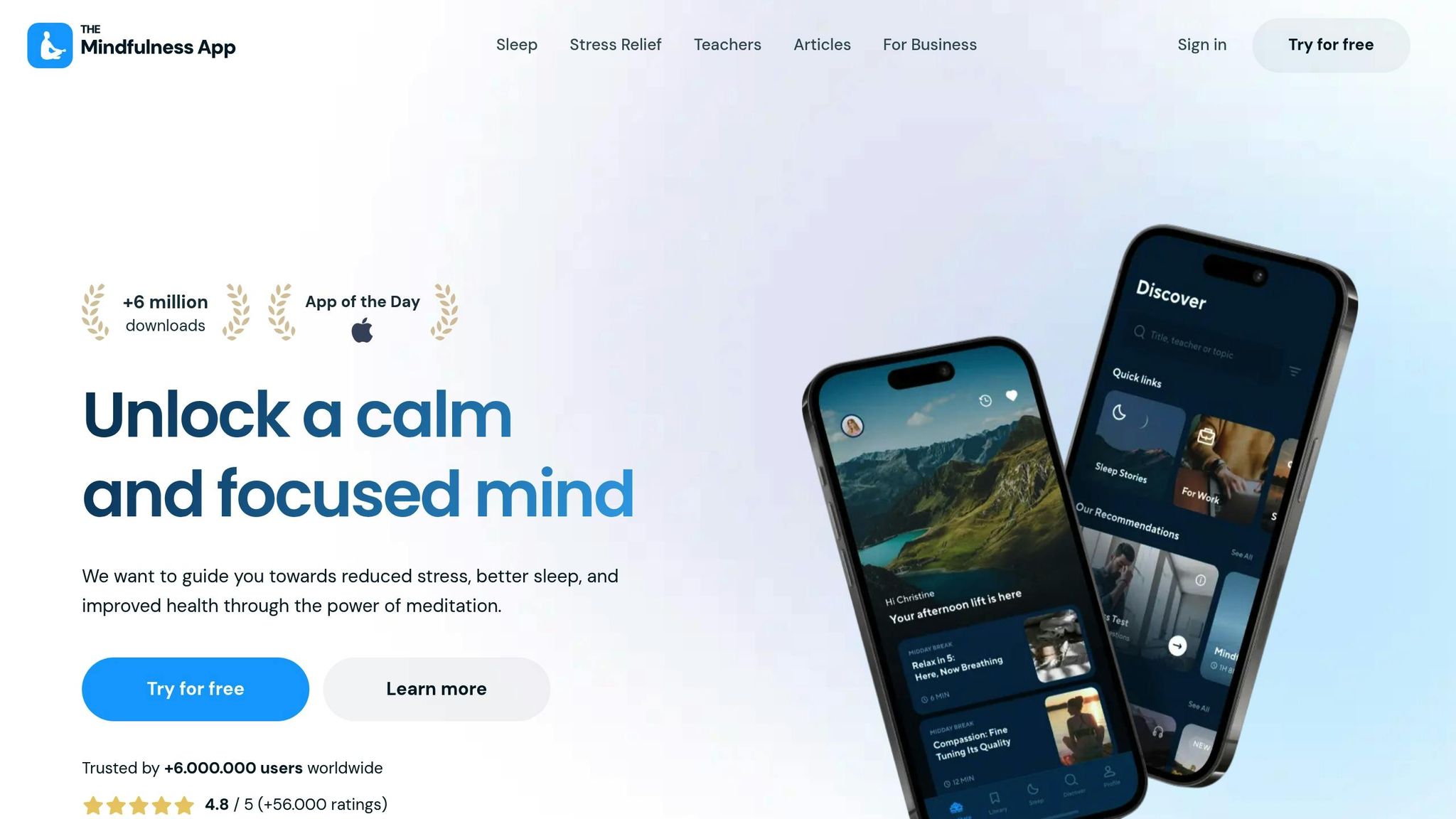
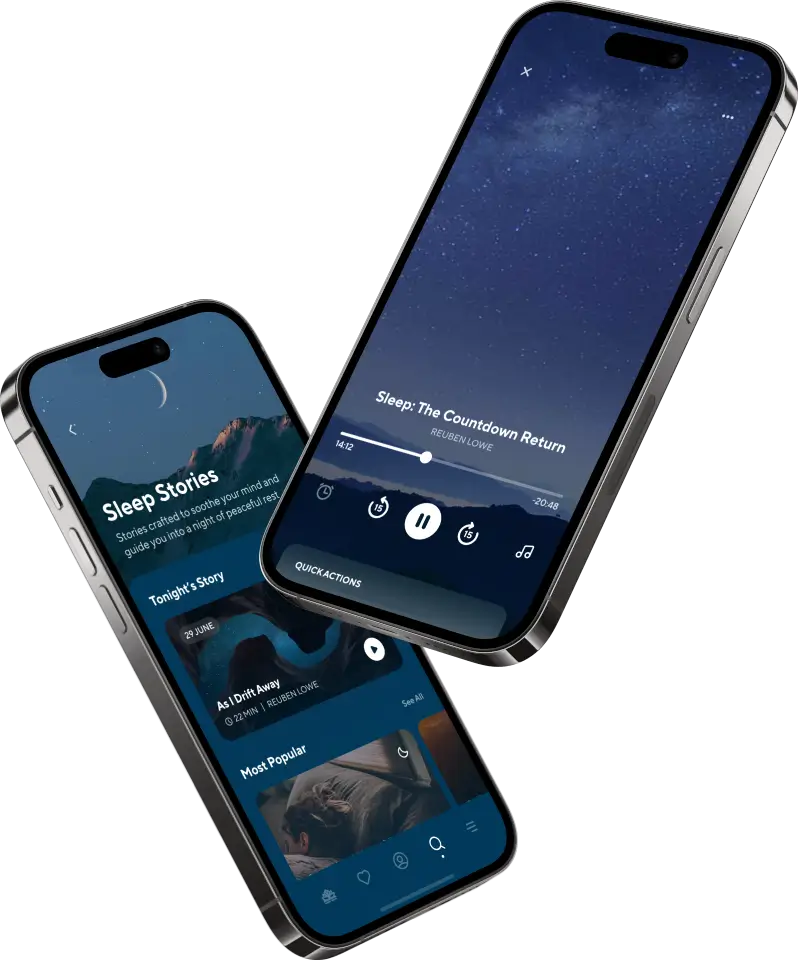
Practicing mindfulness on your own is powerful, but structured guidance can take your routine to the next level. The Mindfulness App offers a rich library of breathing exercises designed to help you relax, calm your nervous system, and improve your sleep. With access to over 2,000 guided meditations through Mindfulness Plus+, this app provides practical tools to manage stress effectively. It’s a convenient way to reinforce your mindfulness practice and find calm whenever you need it.
Guided Breathing Meditations
Guided sessions in the app make mindfulness easy by offering step-by-step, timed instructions. Techniques like box breathing, 4-7-8 breathing, diaphragmatic breathing, and alternate nostril breathing are all included. Each session is led by an expert, ensuring you follow the correct timing and rhythm so you can focus entirely on relaxing. For those moments when stress feels overwhelming, the app includes "micro-practices" - short sessions lasting between 60 seconds and 3 minutes - that offer quick relief and help you regain balance.
Personalized Programs for Stress Management
The app goes beyond individual sessions, allowing you to create a personalized stress management plan. Choose from over 10 courses and mindful living practices that combine breathing exercises with calming visuals. Daily insights from experts like Melli O'Brien and Cory Muscara provide encouragement and fresh ideas, whether you’re starting your day with a sense of calm or winding down for a restful night’s sleep.
Offline Access for On-the-Go Practice
One of the app's standout features is offline access, making it easy to practice mindfulness anytime, anywhere. You can download guided tracks to use during flights, commutes, or even while enjoying a quiet moment outdoors. This flexibility helps you break the stress cycle no matter where you are. Additionally, the app offers Mindful Radio and soothing soundscapes to deepen your relaxation experience.
Conclusion
Breathing exercises offer an accessible and effective way to handle stress in your everyday life. Studies show that consistent practice can lower your heart rate, reduce blood pressure, and decrease cortisol levels, helping your nervous system shift from a heightened state to one of relaxation. With the average person breathing around 20,000 times a day, you already possess a built-in tool to combat stress - it's all about using it with intention.
The real takeaway here is that consistency matters more than intensity. As Dr. Ronald D. Siegel, Assistant Clinical Professor of Psychology at Harvard Medical School, puts it:
As with any skill, your ability to focus and relax will improve with practice.
Start small - just 5 to 10 minutes daily. Pick a time that works for you, like mornings or evenings, and stick with it to create a routine. Over time, this habit can serve as your go-to source of calm during tense situations.
Whether it’s diaphragmatic breathing, box breathing, or the 4-7-8 technique, the goal is to train your body and mind to replace stress with calm. Even a few minutes of practice can make a difference, while techniques like resonant breathing (at roughly 5 to 6 breaths per minute) can further enhance heart rate variability and reduce stress.
For added support, The Mindfulness App offers structured guidance to help you incorporate these techniques into your routine. With over 500 exclusive tracks, tailored programs, and offline access, it’s a handy tool to help you build a consistent and effective stress-relief practice.
FAQs
How does breathing help calm the nervous system and reduce stress?
Breathing is more than just taking in oxygen - it’s a powerful tool for calming the autonomic nervous system (ANS). The ANS manages functions we don’t consciously control, like heart rate and how we react to stress. When you practice slow, deep breathing - especially diaphragmatic or "belly" breathing - you stimulate the vagus nerve. This nerve plays a central role in the parasympathetic system, which helps activate the "rest-and-digest" response. In simple terms, it helps shift your body out of the "fight-or-flight" mode and into a more relaxed state.
Controlled breathing also boosts heart rate variability (HRV), a key indicator of parasympathetic activity. A higher HRV means your body is better equipped to handle stress. It also helps lower cortisol levels, reduce blood pressure, and foster a sense of calm. Tools like The Mindfulness App offer guided breathing exercises that tap into these calming mechanisms, making it easier to manage stress whenever it strikes.
What is the most effective breathing technique for quick stress relief?
One effective way to quickly ease stress is through box breathing, sometimes called square breathing. This technique follows a straightforward rhythm: breathe in for 4 seconds, hold your breath for 4 seconds, exhale for 4 seconds, and then hold again for another 4 seconds. By repeating this cycle, you can soothe your nervous system and shift your attention to the here and now.
The beauty of box breathing lies in its simplicity and versatility - you can do it anywhere, whether you're in a tense meeting or stuck in traffic. Over time, practicing this technique regularly can contribute to a greater sense of calm and balance in your daily life.
What’s the best way to add breathing exercises to my daily routine?
To make breathing exercises a regular part of your routine, start small and keep it straightforward. Pick a consistent time - maybe right after waking up or just before bed - and find a quiet, cozy spot to practice. Begin with 5 minutes a day, and as it becomes second nature, you can gradually increase it to 10 minutes.
Start with a simple technique like the 4-7-8 method: breathe in through your nose for 4 seconds, hold your breath for 7 seconds, and then exhale slowly through your mouth for 8 seconds. Another easy option is belly breathing. Place one hand on your stomach and the other on your chest, and focus on the gentle rise and fall of your belly with each breath.
If you need a little extra guidance, try using The Mindfulness App for access to guided breathing sessions and reminders to help you stay on track. You can also fit in quick 1-minute breathing exercises during everyday moments - like waiting in line for coffee or taking a short break at work. With regular practice, these small efforts can help ease stress and boost your overall well-being.