

Stress and burnout are costing businesses billions - $322 billion annually - and employees are demanding better mental health support. With 81% of workers prioritizing companies that care about their well-being, mindfulness programs are becoming a workplace staple. Research shows that even 5 minutes of daily meditation can significantly reduce stress, improve focus, and boost productivity. Companies like SAP have seen a 200% ROI from these initiatives, proving their value.
Key Takeaways:
- Mental health crisis: 76% of U.S. workers report mental health symptoms, with Gen Z employees feeling the most stress.
- Economic impact: Burnout is a major driver of productivity losses and turnover.
- Mindfulness works: Studies show it reduces stress, improves focus, and enhances job satisfaction.
- Scalable solutions: Digital tools like The Mindfulness App offer accessible, research-backed programs for global teams.
- Leadership matters: Visible support from leaders ensures long-term success.
Businesses that integrate mindfulness into daily workflows see healthier, more engaged teams while reducing costs tied to absenteeism and presenteeism. Ready to make mindfulness part of your workplace? Start small, track results, and watch the benefits grow.

Employee Mindfulness Programs: Key Statistics and ROI Benefits 2026
Benefits of Workplace Mindfulness Programs
Better Mental Health and Lower Stress Levels
Mindfulness programs have been shown to significantly improve mental health among employees. A meta-analysis of 91 studies involving 4,927 participants revealed that mindfulness interventions reduced perceived stress (SMD = 0.72), enhanced mental health (SMD = 0.67), and boosted resilience (SMD = 1.06). In one case, a retailer study involving 1,029 employees practicing mindfulness for just 10 minutes daily over an 8-week period reported notable decreases in depression (P = .02), anxiety (P = .01), stress (P < .001), and medical care visits (P < .001).
Mindfulness works by activating the parasympathetic nervous system, which helps lower heart rate, blood pressure, and cortisol levels. Even brief daily practices of 5 minutes can reduce burnout, depression, and anxiety while improving job satisfaction and overall work performance. These benefits often continue long after the training ends, making digital mindfulness programs a scalable solution for enhancing employee well-being. In turn, these mental health improvements lead to greater workplace productivity.
Increased Productivity and Focus
Mindfulness doesn't just improve well-being - it also sharpens focus and boosts productivity. By promoting nonjudgmental awareness of the present moment, mindfulness enhances attention regulation, cognitive flexibility, and mental clarity. A meta-analysis of 99 studies with 16,054 participants found that mindfulness-based programs significantly improved task performance, both in quality and quantity, compared to control groups (Hedges' g = 0.25).
Better focus through mindfulness also reduces presenteeism costs, which are estimated at nearly $85 billion annually due to depressive symptoms alone. Sleep-related productivity losses add another $1,967 per employee each year. In a 2021 study, employees who participated in an 8-week digital mindfulness program saw marked improvements in presenteeism (P = .01) and overall work impairment (P = .004), along with a reduction in productivity-related costs (P = .01).
Mindfulness also leads to substantial gains in work-related outcomes, with a standardized mean difference of 0.62. Employees report making better decisions, maintaining focus during high-pressure situations, and sustaining their concentration throughout the day. These benefits contribute to a more focused and efficient workplace.
Stronger Workplace Culture and Employee Retention
Mindfulness programs can drive cultural change within organizations. Research shows they improve job satisfaction (effect size g = 0.48), increase workplace compassion (g = 0.53), and enhance overall well-being and life satisfaction (g = 0.68). These cultural shifts amplify the mental health and productivity benefits, creating a more supportive and engaged work environment.
These changes also positively affect employee retention. By reducing burnout and emotional exhaustion while increasing job satisfaction and enjoyment, mindfulness programs help businesses keep their top talent. When senior leaders actively participate in mindfulness practices, it reinforces the importance of self-care and demonstrates a commitment to employee well-being. Additionally, these programs promote psychological safety by encouraging empathy, active listening, and open communication about emotional challenges.
Cost-benefit analyses consistently show that mindfulness programs yield financial returns by lowering healthcare expenses and improving employee retention. Organizations that adopt these initiatives cultivate engaged, loyal teams while fostering a supportive and mindful workplace culture.
How to Launch an Employee Mindfulness Program
Step 1: Secure Leadership Support and Define Your Goals
Getting leadership on board is critical to making mindfulness a core part of your workplace culture. When leaders actively practice mindfulness, it sends a clear message that self-care is valued at every level of the organization. This visible support can help reduce any hesitation employees might feel about prioritizing their mental well-being during work hours.
Position mindfulness as a performance enhancer, not just a wellness perk. The numbers back this up: work-related stress contributes to approximately 8% of U.S. healthcare costs, and 49% of employees admit to feeling workplace dread at least once a week. Highlight success stories from companies like SAP, which achieved a 200% return on investment through mindfulness programs, leading to better employee engagement and fewer absences.
Set clear, measurable goals tied to business outcomes. Are you looking to reduce absenteeism, boost focus, or improve retention? Use terms like "attention training" or "cognitive resilience" instead of spiritual language, especially when presenting to technical teams. Establish KPIs upfront - whether it's tracking engagement, healthcare usage, or productivity metrics - to show the program's impact.
Once leadership is aligned, focus on creating programs that meet the diverse needs of your workforce.
Step 2: Create Flexible Programs That Work for Everyone
A one-size-fits-all approach doesn’t work when employees have varying schedules, preferences, and levels of familiarity with mindfulness. Offer a variety of options, such as mobile apps, live sessions, quiet spaces, and short videos. This ensures accessibility for everyone, including remote workers, parents, and employees in different time zones.
Incorporate mindfulness into daily routines with simple practices like starting meetings with a one-minute grounding exercise. LinkedIn successfully made mindfulness fun by introducing 30-day meditation challenges with raffle prizes, which helped normalize the practice within their culture. SAP trained over 10,000 employees through two-day courses and built a network of 42 internal trainers and 50 ambassadors, ensuring the program had lasting impact across their global teams.
Appoint departmental ambassadors to encourage participation and make mindfulness more approachable for their colleagues. It’s also important to give employees protected time to engage in these practices, so they don’t feel like they’re choosing between self-care and their work responsibilities. When the organization officially supports this time, it reinforces mindfulness as a business priority rather than an optional extra.
For easier implementation and tracking, consider using a dedicated digital platform.
Step 3: Use The Mindfulness App for Easy Implementation
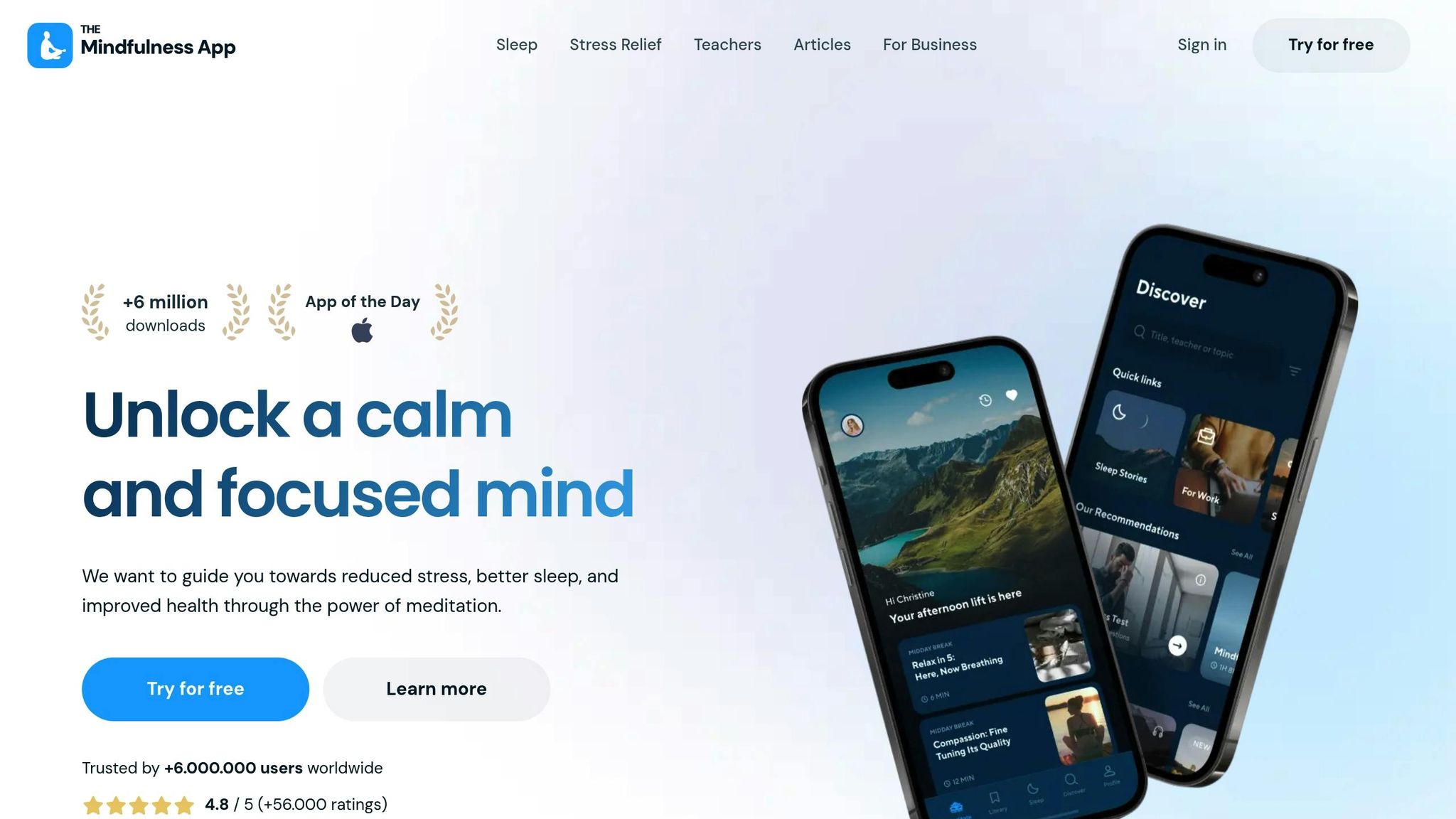
The Mindfulness App offers a ready-made solution for businesses at themindfulnessapp.com/for-work. With over 500 guided meditations, sleep stories, and mindfulness courses, the platform is rooted in research and designed to reduce stress while improving focus. Its content, available in 12 languages, makes it ideal for global teams.
This app aligns with the flexible, multi-modal approach. Employees can choose from 5-minute daily practices (shown to be effective for reducing stress and boosting engagement) or longer, structured programs depending on their schedules. The app also works offline, ensuring accessibility for remote employees or those with limited connectivity. Premium users can access personalized meditation programs tailored to their specific needs, such as managing anxiety, improving sleep, or staying focused under pressure.
For HR teams, the app simplifies program management. You can track engagement, see which resources are most popular, and gather data to demonstrate ROI to leadership. The 14-day free trial lets you test the program with a small group before committing to a full rollout. This data-driven approach makes it easier to secure long-term support and funding for your mindfulness initiative.
Tools and Resources for Mindfulness Programs
The Mindfulness App Features for Corporate Teams
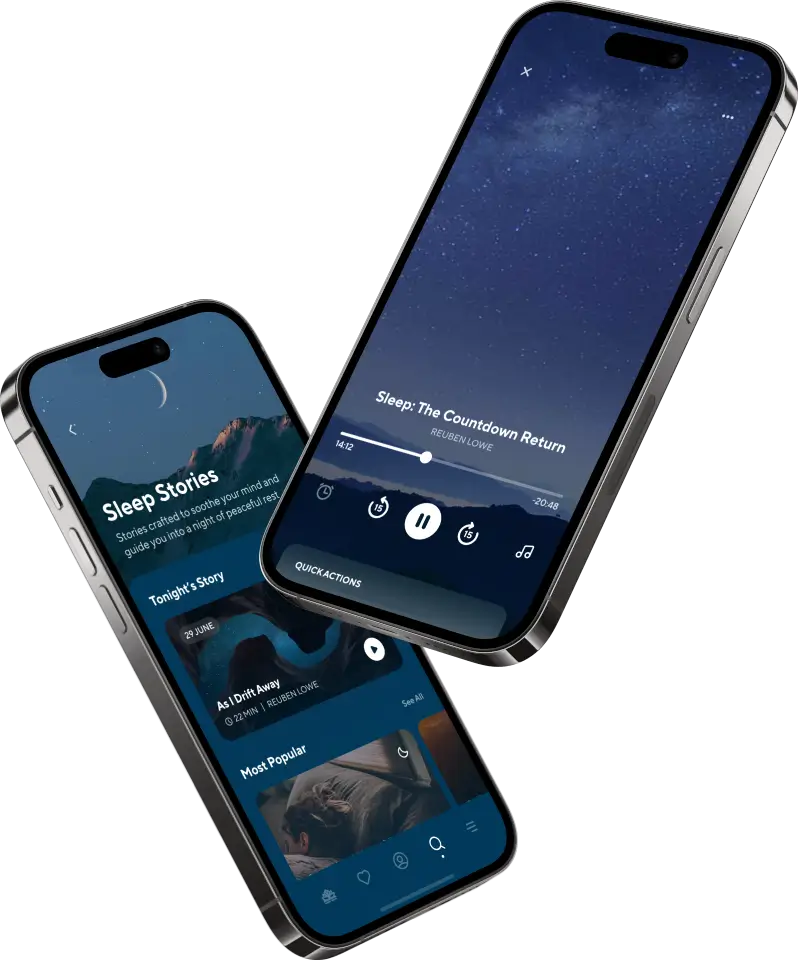
The Mindfulness App provides access to over 500 guided meditations, courses, and sleep stories designed to meet a variety of needs. Whether it's managing tight deadlines or improving sleep quality, this app has something for everyone. It even includes a dedicated "Mindfulness in the Workplace" course and a work-specific content section with exercises tailored for office settings.
One standout feature is its 5-day introductory course. With just 10 minutes of daily practice, users have reported up to a 30% reduction in stress levels. For employees struggling with sleep, the app offers meditations and sleep stories to help them wake up feeling refreshed and ready for the day.
The app works offline and supports 12 languages, making it ideal for global teams and remote workers. Research aligns with its benefits, showing that employees who engage in mindfulness practices are twice as likely to stay with their employer and demonstrate productivity gains of 8% to 12%. Premium plans also provide personalized meditation programs for a tailored experience.
While The Mindfulness App is a powerful digital tool, other resources can further enhance your mindfulness program.
Other Resources for Mindfulness Practice
Beyond apps, there are several additional resources that can deepen mindfulness practices within your team. Evidence-based courses, such as those offered by the Search Inside Yourself Leadership Institute (SIYLI), have shown measurable returns on investment and can complement digital tools effectively.
Books by experts like Chade-Meng Tan, Daniel Goleman, and Kristin Neff offer valuable insights into applying mindfulness in professional settings. Simple techniques like the "Minute-to-Arrive", which involves grounding yourself with deep breaths and posture alignment, can quickly set a calm and focused tone for meetings.
Creating quiet rooms or reflection spaces within the workplace provides employees with a physical area to practice mindfulness. Additionally, maintaining an intranet hub filled with articles and videos ensures that resources remain easily accessible for ongoing learning and support.
These resources, when combined with The Mindfulness App, contribute to a well-rounded mindfulness strategy that supports both individual and team well-being.
sbb-itb-bea8dce
How to Maintain Long-Term Mindfulness Programs
Build Daily and Weekly Mindfulness Habits
Making mindfulness part of your team's routine is the secret to long-term success. A simple yet effective approach is starting meetings with a "Minute-to-Arrive" practice - just 60 seconds of silence where everyone pauses, takes a few deep breaths, and shifts their focus to the task at hand. This small ritual makes mindfulness feel like a natural part of the workday, rather than an extra chore.
Weekly group meditation sessions can also help deepen the practice and create opportunities for team members to share their experiences. According to research from the University of California, San Francisco, even five minutes of daily meditation led to lasting improvements in well-being and job engagement for employees, with benefits still evident four months later. This flexibility makes it easier to weave mindfulness into different schedules.
Another way to keep the momentum going is by creating a network of mindfulness ambassadors. For instance, SAP built a global network of 42 trainers and 50 ambassadors to support mindfulness after training over 10,000 employees. This effort resulted in a 200% ROI, proving the value of sustained support. Leadership involvement also plays a big role; when leaders openly participate, it sends a strong message about the importance of self-care. Once daily practices are in place, addressing participation barriers becomes key to ensuring the program’s longevity.
Address Common Program Challenges
Even with daily habits in place, challenges like "productivity guilt" - the fear that mindfulness might interfere with work - can arise. Managers can help by offering official release time for sessions. Research shows that when supervisors actively facilitate participation, employees are more likely to engage than when they simply offer verbal encouragement.
"The fact that the University ran the course seemed to be saying it's okay to take care of yourself; it gave you the right to do it." – University Employee Participant
If engagement starts to drop, consider gamifying the program. For example, run a 30-day meditation streak challenge with small rewards to keep people motivated. Use tools like pre- and post-program surveys (such as the Mindful Attention Awareness Scale) to track progress and show tangible improvements. Intel, for instance, has consistently observed two-point improvements among over 7,000 program participants. Framing mindfulness as a practical way to manage stress and build lasting skills can also help reduce skepticism and encourage buy-in.
Mindfulness at work: a superpower to boost productivity and wellbeing | Shanel Munger | TEDxPretoria
Conclusion: Building a Mindful Workplace
Creating a mindful workplace isn't just a feel-good initiative - it’s a smart move for boosting performance, resilience, and growth. Research shows that improving employee well-being could unlock $11.7 trillion in annual economic value, with 77% of that coming from increased productivity and reduced presenteeism. And with employer health-related costs predicted to rise 62% by 2026 compared to 2017, prioritizing mindfulness programs is more than a good idea - it’s a necessity.
"Workforce well-being is no longer a 'nice to have'; it's a core driver of business performance and competitive advantage." – Barbara Jeffery, Director of Healthy Workforces, McKinsey Health Institute
The organizations that thrive are the ones that treat mindfulness as a core business practice, not just an optional benefit. This means securing leadership buy-in, weaving mindfulness micro-practices into daily workflows, and using tools like The Mindfulness App for businesses to make participation easy and accessible. Consistency is key - short, regular practices can lead to measurable improvements that last for months.
As mindfulness becomes a standard part of workplace culture, companies that embrace it will enjoy stronger teams, improved employee retention, and healthier financial outcomes. Start small, focus on measurable impacts, and take steps to seamlessly integrate mindfulness into your business. The effort you put into your employees' mental well-being today will yield benefits for years to come.
FAQs
How can businesses evaluate the ROI of mindfulness programs?
Businesses can gauge the ROI of mindfulness programs by focusing on metrics that showcase both financial benefits and employee well-being. For instance, tracking reductions in stress-related absenteeism, employee turnover, and healthcare costs can reveal direct cost savings. At the same time, improvements in productivity, employee engagement, and job satisfaction can point to a healthier workplace culture and enhanced performance.
To gather meaningful insights, surveys and self-assessments allow employees to share feedback on stress levels and the program's effectiveness. Many companies also monitor KPIs like presenteeism rates and the overall organizational climate to evaluate how these initiatives are shaping the work environment. By applying advanced data analytics, businesses can paint a clear picture of the program’s outcomes, making it easier to demonstrate measurable ROI and justify ongoing investment in mindfulness efforts.
How can mindfulness be effectively incorporated into daily work routines?
Incorporating mindfulness into daily work routines doesn’t have to be complicated. Simple practices like deep breathing, body scans, or short meditation sessions can easily fit into breaks or transitions during the day. Even a few minutes of mindful breathing or walking can help reduce stress and improve focus.
Leaders and HR teams play a big role in setting the tone. By modeling mindfulness - whether it’s pausing intentionally before meetings or expressing gratitude during team discussions - they can encourage others to follow suit. Providing employees with tools like workplace-friendly mindfulness apps or structured programs can make these practices more accessible. The real magic lies in consistency - small, daily habits can build up over time, creating a more focused and resilient workplace.
How can leaders effectively support mindfulness programs in the workplace?
Leadership is key to the success of workplace mindfulness programs. When leaders actively support these efforts, they help build a workplace culture that values well-being and encourages employees to engage. Showing genuine care, empathy, and openness fosters a psychologically safe environment where mindfulness practices can truly take root.
To make mindfulness initiatives effective, leaders need to clearly communicate their benefits - like lowering stress, sharpening focus, and boosting productivity. Providing employees and managers with the right tools, resources, and training ensures these programs are not only accessible but also effective. When leaders prioritize mental health and actively participate in mindfulness practices themselves, they set a strong example. This helps weave mindfulness into the organization's culture, paving the way for lasting success.