

A short daily routine can help lower anxiety before it turns into a full spiral. I’d keep it simple: pick 2 to 3 check-in times, pair each one with slow breathing, use 3 to 5 short affirmations that feel at least 6/10 believable, and track what helps for 30 days.
A 2025 review looked at 129 studies with almost 17,800 people and found that self-affirmations can support mood and lower negative feelings, including anxiety. But there’s a catch: if the words feel fake, they can backfire. That’s why this routine leans on bridge statements like “I am learning to breathe through this” instead of big claims your mind may reject.
If I wanted the whole article in one quick scan, here’s the core idea:
- Morning: breathe, say affirmations out loud, write down one line
- Midday: rate anxiety 1 to 10, name the worry, use one short bridge statement
- Evening: do a brief brain dump, breathe for 5 to 10 minutes, end with rest-focused lines
- Keep each statement short: about 10 to 15 words
- Repeat each one 2 to 3 times
- Rewrite weak statements if they score below 6/10 for believability
- Use affirmations with care: they can support treatment, but they do not replace therapy or medication
This article boils down to one point: the best affirmation is the one you can say without arguing with yourself.

Daily Affirmation Routine for Anxiety: Morning, Midday & Evening Steps
Positive Morning Affirmations Meditation to Calm Anxiety
sbb-itb-bea8dce
Checklist: Set Up Your Routine Before You Start
Start by setting fixed times. That makes the routine easier to repeat and easier to remember when anxiety starts to build. The idea is simple: use a few steady check-ins during the day so you can interrupt anxious spirals early, not after they’ve already taken over.
This routine works best with three parts: timing, body reset, and statement selection.
Choose 2 to 3 daily check-in times
For most people, three parts of the day tend to work well: before 9:00 a.m., between 12:00 p.m. and 3:00 p.m., and 30 to 60 minutes before bed.
| Routine Phase | Suggested Time | Best For |
|---|---|---|
| Morning Priming | Before 9:00 a.m. | Setting intent, managing anticipatory worry |
| Midday Reset | 12:00 p.m. – 3:00 p.m. | Interrupting what-if loops |
| Evening Wind-down | 30–60 min before bed | Reducing mental replay, preparing for rest |
Use the table to line up each check-in with a point in your day that already feels natural. Then attach it to a habit you already do. That way, you’re not trying to build the routine from scratch.
For example:
"If I pour my morning coffee, then I'll say my affirmations."
That kind of anchor helps you spot anxious loops sooner.
Pair affirmations with breath and grounding
Before you say anything, do a short breath reset. The goal is to calm your body first, then repeat the words.
Take 3 to 5 slow breaths. Inhale for 4 counts and exhale for 6. As you do that, add a small physical cue: place one hand on your chest, drop your shoulders, and soften your jaw.
If you’re out in public, keep it simple. A quiet counted exhale and a quick feet-on-floor check-in still work. These quick mindfulness tools help you stay grounded anywhere. After that, move into your chosen statements.
Pick 3 to 5 statements for common anxiety themes
Keep the list short so it doesn’t feel like too much. 3 to 5 affirmations per session is enough for most people. Repeat each one 2 to 3 times per session, and say each statement out loud.
Pick statements that match the themes your anxiety hits most often:
- Safety: "I am safe enough in this moment."
- Uncertainty: "I can be uncertain and still continue."
- Control: "I choose to focus on what I can control and release what I cannot."
- Self-trust: "I am learning to trust myself more each day."
A good filter is believability. Keep only the statements you’d rate 6/10 or higher. If a phrase feels too big or too forced, tone it down until it feels usable.
Checklist: Morning, Midday, and Evening Affirmation Practice
Use the same order each day: morning primes, midday interrupts, evening releases.
Morning routine for a calmer start
Start before phone checks so the routine becomes automatic.
Before you look at your phone or email, take 3 to 5 slow breaths. Inhale for 4 counts and exhale for 6. Then move into your affirmations.
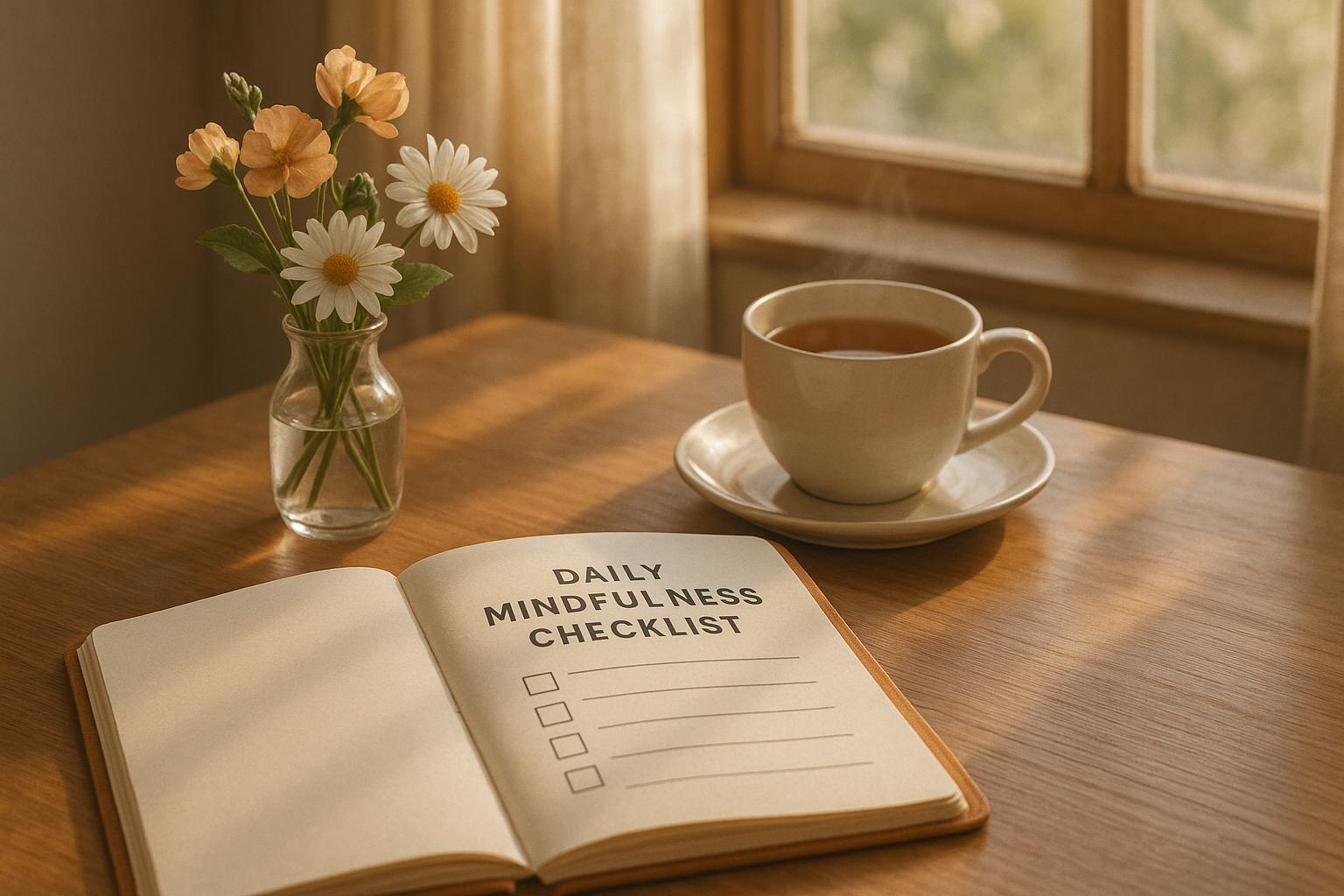
Say them out loud while looking in a mirror. Repeat each phrase 2 to 3 times. After that, write down one affirmation in your journal so it stays with you during the day.
Midday reset for anxious moments
Use this reset at the first sign of a spiral.
Start with a quick check-in and rate your anxiety on a scale of 1 to 10. Then name the worry out loud or in writing. You might say, "This is a what-if thought." That small step can help break the spell before it picks up speed.
Next, plant both feet flat on the floor and let your shoulders drop. Repeat one short bridge affirmation while exhaling slowly. A line like "I can handle the next minute" works well because it feels small, grounded, and believable when anxiety is high.
Evening wind-down for rest and reset
The evening routine is about letting go of the day, not picking it apart.
Do a brief worry download by writing down unfinished tasks or lingering fears. This helps clear some mental space before bed. Then spend 5 to 10 minutes breathing slowly.
Close with 2 to 3 sleep-friendly affirmations that meet the day as it was, without asking for perfection. You can use lines like "I am allowed to rest before everything is solved" or "I can let today be complete enough."
Checklist: Track Progress and Adjust What Is Not Working
A simple tracking habit helps you spot which affirmations ease anxiety and which ones need a rewrite. After the routine starts to feel normal, pay attention to what helps and what falls flat.
Log anxiety levels and affirmation use each day
Stick with the same morning, midday, and evening check-ins from the routine. At each one, write down your mood and stress on a 1 to 10 scale. Then add a believability score for each affirmation. If any statement scores below 6, mark it for later revision.
It also helps to note physical signals during practice. Maybe your jaw softens, your shoulders drop, or your breathing gets deeper. Those small body shifts matter. Keep a simple win log too. Each day, write down one small moment when you acted in line with the affirmation, like pausing before answering a stressful email or stopping a catastrophic thought spiral before it took over.
Review weekly patterns and rewrite weak statements
Set aside 10 minutes once a week to review what you wrote. Look for phrases that feel flat, forced, or awkward to say. It’s also worth watching for patterns in timing and delivery. Some people do better when they say an affirmation out loud. Others connect with it more when they write it by hand.
If a phrase keeps sounding unrealistic, rewrite it using a bridge frame such as "I am learning to respond with more calm" or "I am becoming someone who pauses before reacting." Plain language works best here. If the wording sounds too polished, your brain may reject it.
Compare helpful vs. less helpful affirmation patterns
| Pattern | Use | Risk | How to adjust |
|---|---|---|---|
| Specific & Believable | Easier for the nervous system to accept during tracking | May feel routine over time | Keep |
| Generic & Extreme | Temporary boost on low-stress days | Triggers pushback or feels forced | Soften |
| Suppressive/Avoidant | Tries to stop negative thoughts quickly | Often backfires by increasing tension | Switch to a process statement |
| Growth-Oriented | Builds trust through progressive belief | Requires evidence to stay credible | Use "I am becoming..." or "I am learning to..." |
Use the first 30 days as a testing period. Try different wording, timing, and delivery to see what clicks. If your mood and stress ratings stay flat or get worse after four weeks, change the wording, switch the delivery method, or tweak the cues around your practice. Keep the patterns that feel believable and easy to repeat.
Conclusion: Keep the Routine Simple, Consistent, and Supportive
Keep your affirmations short, believable, and linked to something you already do each day. That way, the habit has a natural place to land. A small routine you can repeat tends to work better than long, occasional sessions. Even two to five minutes a day is often easier to stick with over time.
If an affirmation stops clicking, you usually don't need to try harder. You just need to change the wording. When a phrase no longer feels true, shift it into a bridge statement that feels more doable and honest in the moment.
The best affirmation is the one you can believe enough to repeat.
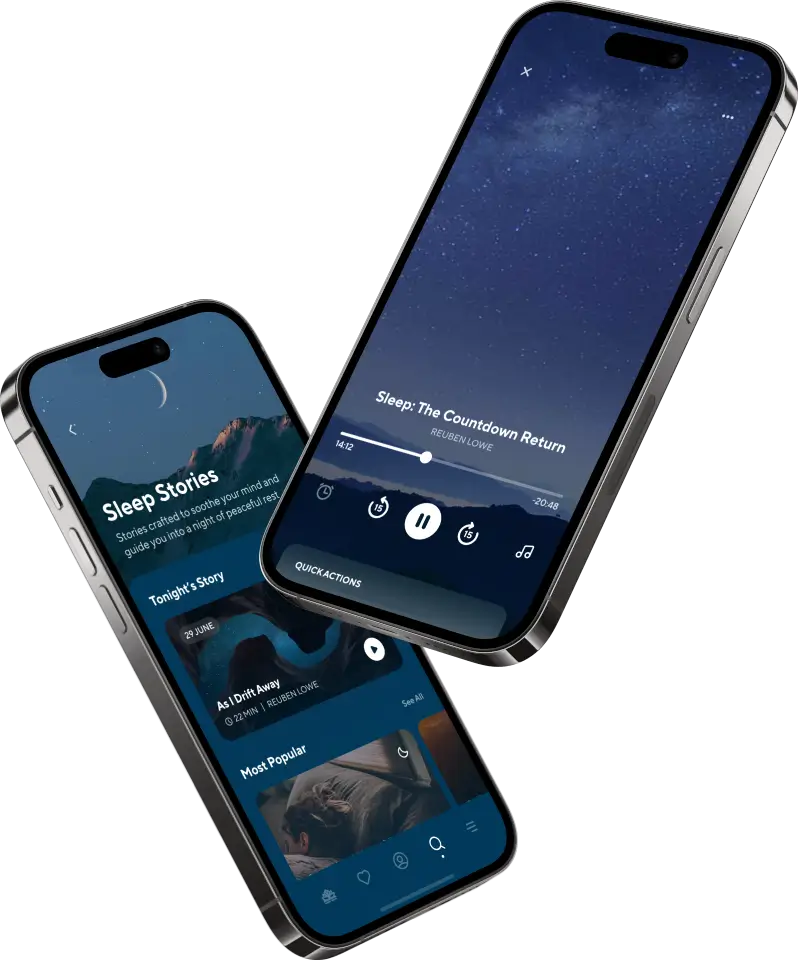
If consistency is the hard part, guided support can take some of the friction out of the process. The Mindfulness App can help make the routine easier to repeat with guided meditations, sleep stories, and mindfulness courses.
For deeper or persistent anxiety, affirmations should sit beside clinical care, not replace it. If your anxiety is severe, keeps going, or starts getting in the way of daily life, talk with a qualified mental health professional.
FAQs
What if affirmations make me feel worse?
If affirmations make you feel worse, there’s usually a reason. The wording may sound fake, feel too absolute, or come with too much pressure. In that case, scale it down.
Try short, believable, present-tense phrases like “I can take one steady breath” or “I am learning to feel safer one breath at a time.” Then link the words to a simple physical cue, like a counted exhale or letting your shoulders drop.
Bring the intensity down and make the language more specific. If your distress gets sharper, stop. For severe anxiety or trauma-related anxiety, use grounding techniques and consider professional support.
How long should I try this routine before changing it?
Stick with your routine for at least 30 days before you make a big call on whether it’s working.
You might notice small changes in stress recovery or your overall mental tone within 2 to 4 weeks. But deeper shifts in baseline anxiety often take 2 to 3 months of steady daily practice.
If your affirmations start to feel stale or begin to create pressure after 30 to 40 days, swap them out for new phrases that feel more specific to what you need right now.
Can I use this routine with therapy or medication?
Yes. Affirmations can work alongside therapy and medication as a support tool, not a substitute for professional medical care.
It helps to tell your mental health provider about your affirmation practice so they can make sure it fits with your current treatment plan. The Mindfulness App can also support your well-being with guided resources.