
A 3-minute meditation can help me slow stress before it builds. I do it by using one daily cue, a simple 3-step routine, and a timer so I don’t have to think about what comes next.
Here’s the short version:
- Pick one cue I can repeat every day, like after parking the car or before opening email
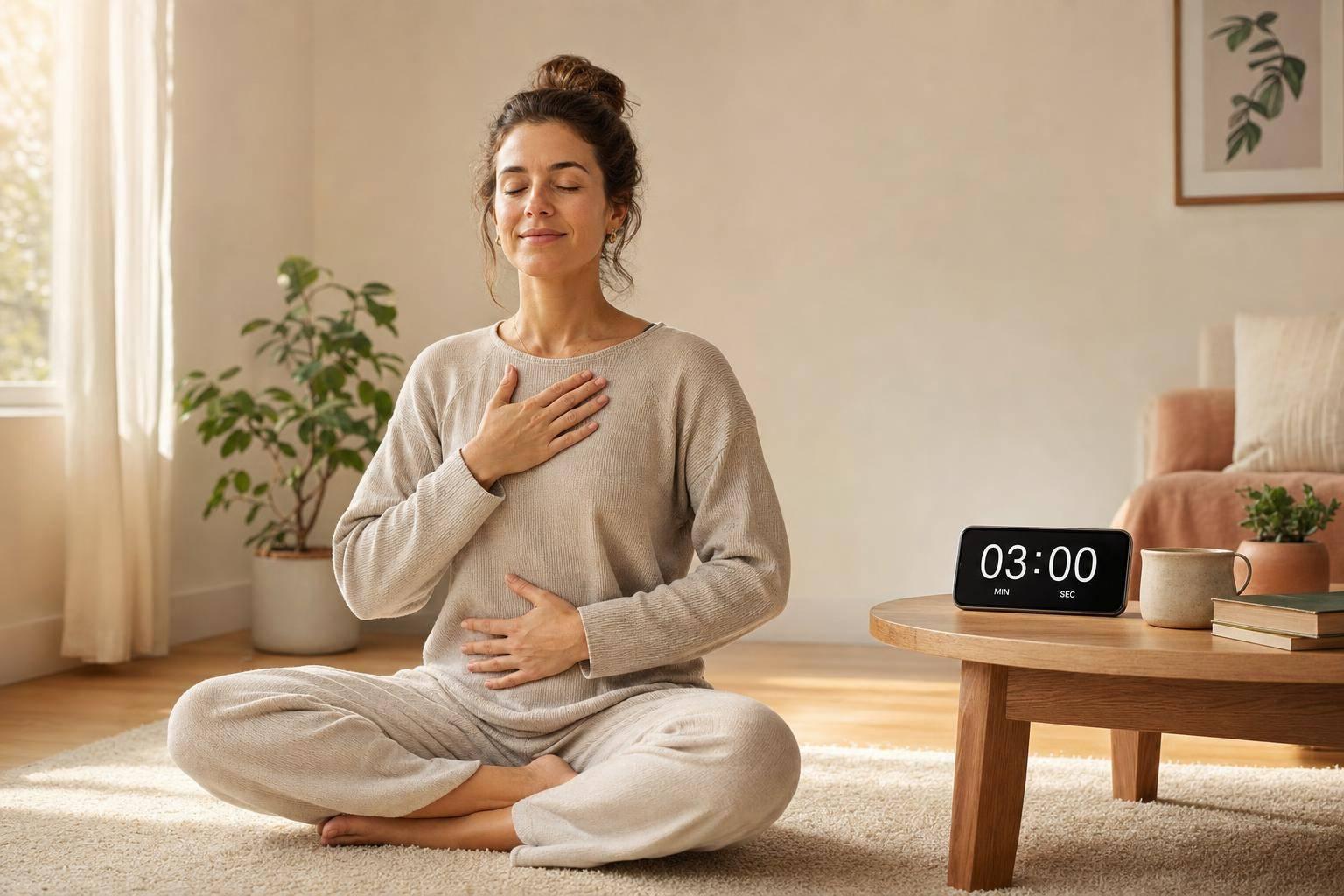
- Set a 3-minute timer
- Minute 1: notice my body and what feels strongest right now
- Minute 2: slow my breathing, such as inhale for 4 and exhale for 6
- Minute 3: scan my body, name the emotion, and end with “May I be at ease.”
- Track it daily with a checkmark or a 1–10 stress rating before and after
This works because short daily mindfulness practice is easier to keep doing. Even a few minutes can help with racing thoughts, tight shoulders, and shallow breathing. And if my mind wanders, that still counts.
I’d keep it simple, do it once a day for 7 to 14 days, and only add another session if the first one starts to feel automatic.
3-minute Meditation to Relieve Stress & Anxiety
sbb-itb-bea8dce
How to Set Up a 3-Minute Meditation You Can Repeat Daily
Keep the setup simple: a chair, couch, desk, or parked car is enough. The point is to make the start of each session feel almost automatic.
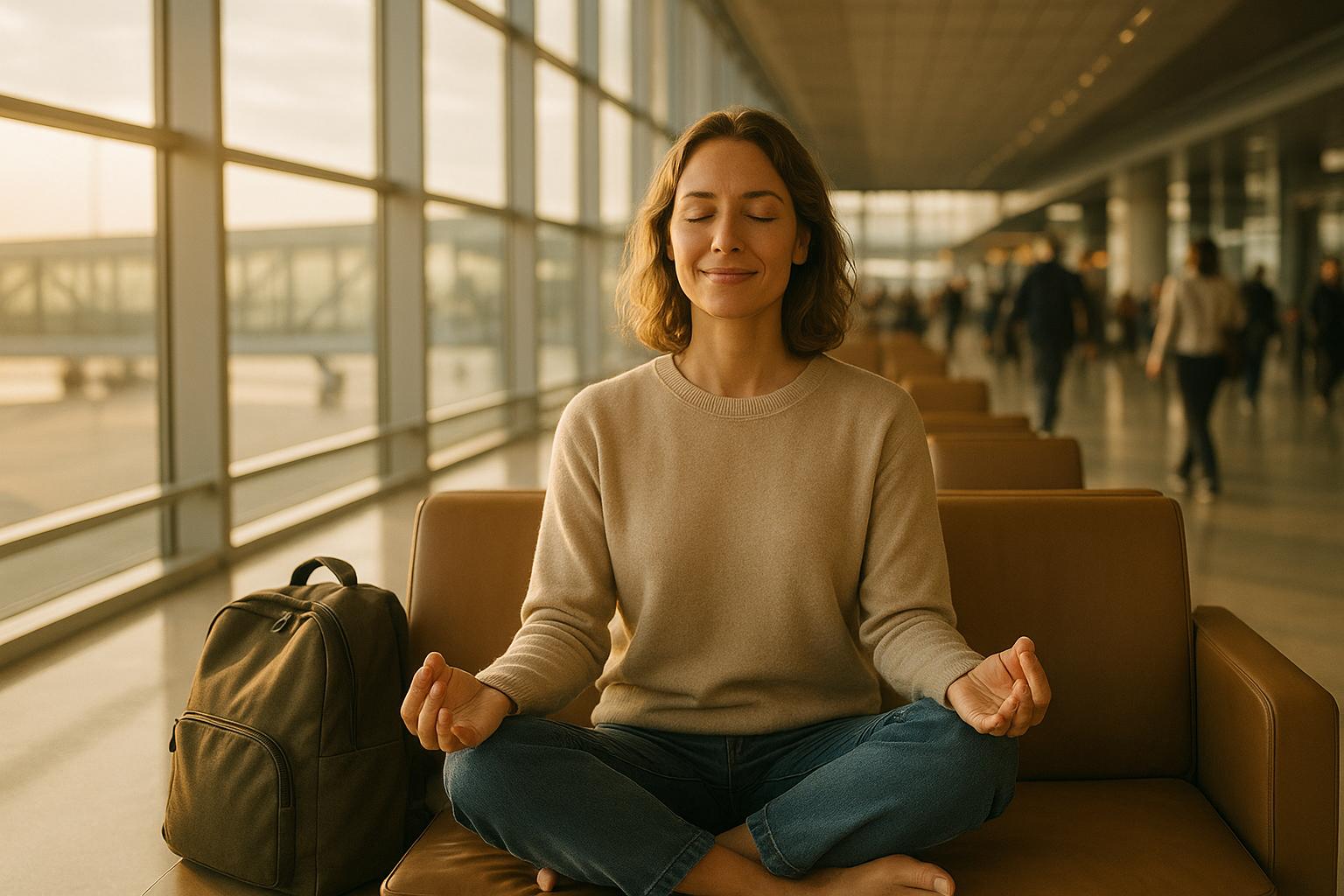
Before you begin, set a 3-minute timer on your phone or in The Mindfulness App. That way, you don't have to check the clock, and the session has a clear start and stop. For posture, sit upright, let your shoulders relax, and keep both feet flat on the floor. If closing your eyes feels awkward, use a soft downward gaze instead. That can work especially well in public places.
Use the position that fits your body. If you need back support, take it. If sitting is hard, stand. If you're doing this before bed, lying down is fine too. The aim is to stay relaxed and alert.
Pick a Time, Place, and Daily Cue
The easiest way to make this stick is to link it to a habit you already have. Pick one cue and use it every day, so you can start without having to think it through.
| Daily Anchor | Specific Cue Example |
|---|---|
| Before work | Before opening email; after muting notifications |
| Workday transitions | After a tense meeting; before replying to a stressful email |
| End of commute | After parking the car; before going inside |
For example: "After I park the car, I will sit for 3 minutes before going inside." Now you don't have to decide when to do it. The cue makes that choice for you.
Run Through a Short Pre-Meditation Checklist
Once you've chosen your cue, use the same quick setup each day. Repeating the same short sequence helps the habit settle in.
- Silence notifications - put your phone on Do Not Disturb and turn off computer alerts.
- Settle your posture and choose one focus - breath, body sensations, or sound.
That's it. The simpler the setup, the easier it is to come back to tomorrow.
Step-by-Step: How to Do a 3-Minute Meditation

3-Minute Daily Meditation Routine for Stress Relief
Use this simple 3-minute sequence. Move straight into it.
Minute 1: Ground Your Attention
Get into a comfortable position with your feet flat on the floor. Notice where your body meets the chair or floor - the weight of your body on the seat, the soles of your feet on the ground, or your hands resting on your thighs. Those contact points give your mind something clear and immediate to rest on.
Take one slow breath. Then notice the strongest sensation, thought, or feeling that’s present right now. Whatever shows up, label it without trying to fix it or push it away.
Minute 2: Slow Your Breath
Now bring your attention to the physical feeling of breathing. Choose one spot - the air at your nostrils, the rise and fall of your chest, or the movement of your belly - and keep your focus there.
Use a longer exhale to slow your breathing and help your body settle. One simple pattern works well: inhale for 4 counts, exhale for 6 counts. If your mind wanders, give it a neutral label like thinking, then come back to the breath without getting upset.
Minute 3: Scan Your Body and Name the Emotion
Shift from the breath to your whole body. Scan slowly from the top of your head down to your feet. Pause for a moment at the jaw and shoulders, where tension often builds.
When you’ve finished the scan, name what you’re feeling emotionally. One word is enough: anxious, overwhelmed, frustrated. Putting a name to the feeling creates a little space between you and it. Then close with one phrase to yourself: May I be at ease.
Use breath-only when anxiety feels sharp. Add a body scan when the tension feels physical. End with emotion labeling when worry feels heavy. Repeat this same 3-minute sequence at your daily cue.
How to Build a Daily Meditation Routine That Lasts
That 3-minute sequence works best when it becomes a daily habit.
Start with One Session a Day for 1 to 2 Weeks
Begin with one daily cue for 7 to 14 days. Don’t add anything else yet. Keep it simple.
Track each session in a way that feels easy:
- Rate your stress from 1 to 10 before and after
- Or just mark it with a simple checkmark
Here’s the part that trips people up: a wandering mind is not failure. It’s part of the practice. A distracted session still counts. In fact, noticing that your mind drifted and bringing it back to your breath is the practice.
Once that first cue starts to feel automatic, then add a second anchor.
Use Morning, Midday, and Evening Anchors
After one anchor sticks, add a second only if it fits your day without much friction.
The easiest way to do that is to tie meditation to something you already do, like:
- after brushing your teeth
- while your coffee brews
- before opening your laptop
If midday breaks are hard to pull off, a morning-and-evening setup may be easier to keep up with. If your day has a bit more room, a midday reset can help you get your focus back and keep stress from piling up.
Start with the format that feels easiest.
If staying consistent feels tough, guided support can make it easier to get started.
Use Guided Support to Stay Consistent
When Guided Meditations Are Most Useful
If your daily cue is hard to stick with, guided audio takes the pressure off. On high-stress days, even 3 minutes can feel like a lot. A guided session helps you start right when your cue shows up, without having to think through each step first.
A guided voice also gives you one steady place to come back to when your mind wanders. That matters more than most people think. Instead of trying to hold the whole routine in your head, you just follow along. Reminders, interval bells, and progress tracking can also make daily practice easier to keep up.
How The Mindfulness App Fits a 3-Minute Routine
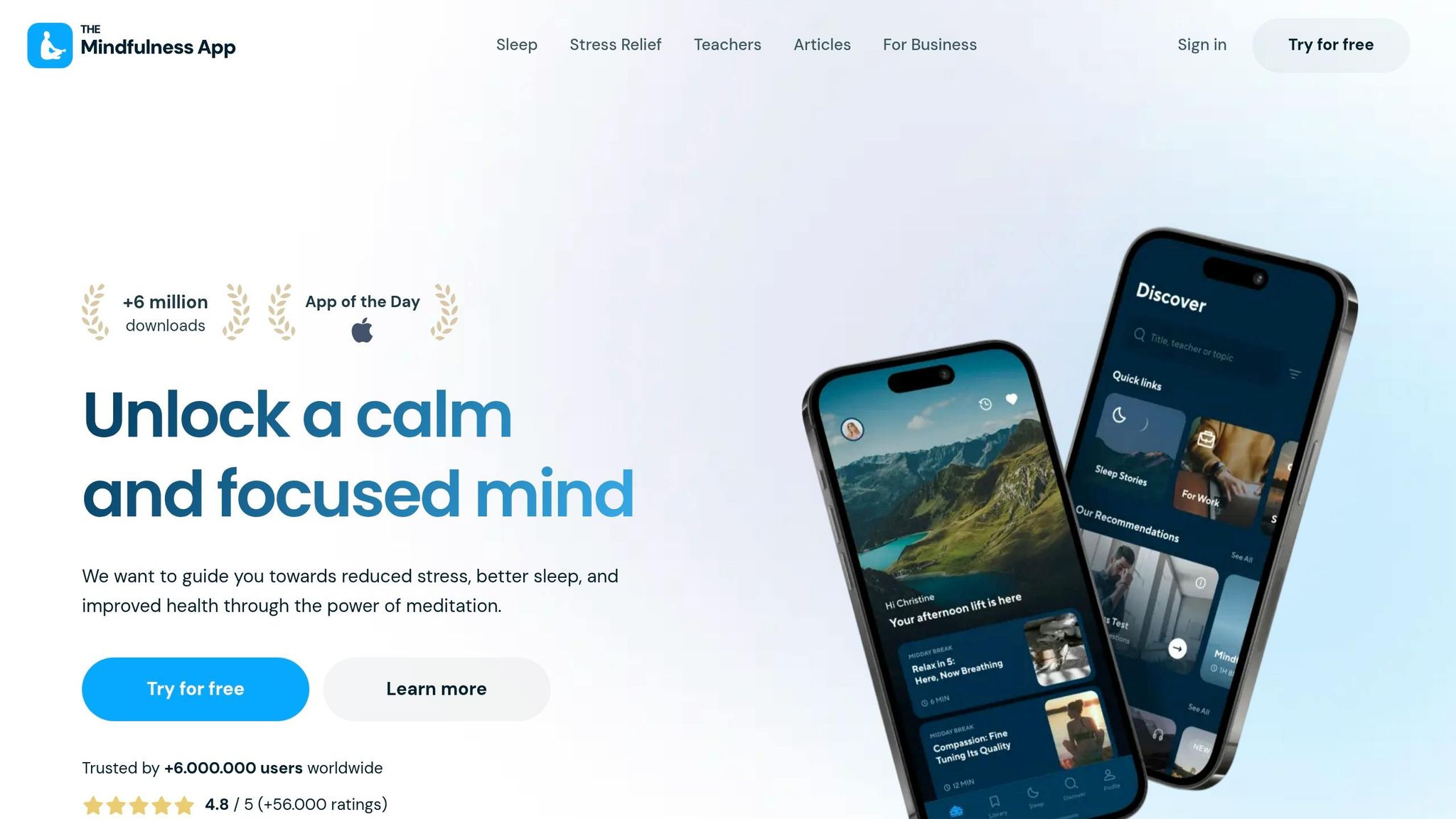
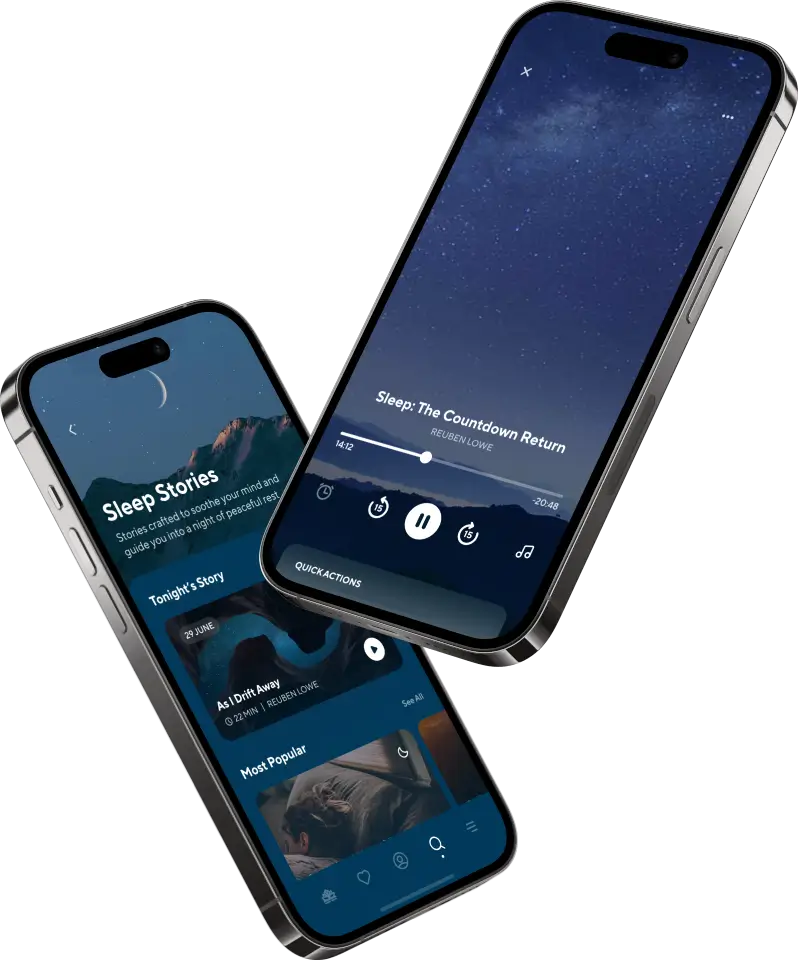
For a simple version of this routine, The Mindfulness App offers quick mindfulness tools, reminders, and offline access. It includes guided tracks in 12 languages, with options for stress relief and sleep. Sessions can be downloaded for offline use, so your routine can travel with you at home, at work, or on the go.
The table below shows how common consistency problems match up with features that support an easy, low-friction routine:
| Common Need | App-Supported Feature |
|---|---|
| "I forget to practice" | Personalized daily reminders and notifications |
| "I need help staying with the session" | Guided audio and interval bells |
| "I need help unwinding at night" | Sleep stories and bedtime audio |
| "I travel often" | Offline functionality for sessions without internet |
Conclusion: Keep It Short, Simple, and Daily
Three minutes can interrupt stress before it snowballs. A short daily pause helps stop pressure from piling up.
What matters most isn't doing it for a long time. It's doing it every day. A 3-minute practice can build emotional regulation and stress resilience over time. That's what makes this routine easy to stick with.
Keep the setup the same each day: use the same cue, the same place, and the same timer. When the routine stays simple, getting started takes almost no effort.
Start today. After brushing your teeth, set a 3-minute timer and go through the sequence once. That first session is how you use mindfulness for habit formation.
FAQs
What if 3 minutes still feels hard?
If even 3 minutes feels hard, that's okay. Mindfulness is not a test. Start smaller: 60 seconds works. Even one intentional breath counts.
If sitting still feels tough, weave mindfulness into things you already do, like brushing your teeth, commuting, or eating lunch. And if it starts to feel intense, keep your eyes open, pay attention to touch or sound, or use guided sessions for a bit more structure.
How soon will I notice benefits?
You may feel less stressed and more focused after just one 3-minute session. That’s because these techniques can disrupt the fight-or-flight response and help you regain emotional control in the moment.
For many people, clearer relief from stress-related symptoms shows up after 1 to 2 weeks of daily practice. Deeper, longer-lasting change usually takes a few months. The key isn’t doing longer sessions. It’s sticking with the practice day after day.
Can I do this meditation more than once a day?
Yes, you can. In fact, doing a few short sessions during the day is often a smart approach. It can help regulate your nervous system and stop stress from piling up as the day goes on.
A lot of people do one session in the morning, another around midday, and one more in the evening. Consistency matters more than length, so spacing your practice across the day can make it easier to stay calm and resilient.