
Feeling stressed? Guided meditation offers a simple, quick way to calm your mind and body. By following a meditation guide, you can reduce tension, lower cortisol levels, and improve focus in just 10 minutes a day.
- What it is: A voice leads you through techniques like breathing exercises, body scans, or visualization.
- Why it works: Activates your relaxation response, slows your heart rate, and reduces mental chatter.
- Science-backed benefits: 10 days of practice can lower stress by 14%, and consistent sessions reshape your brain to better handle stress.
- Quick start: Even 5-minute sessions can help. Use apps like The Mindfulness App for guided meditations tailored to your needs.
With consistent practice, guided meditation can help you manage stress effectively and improve your overall well-being.
How Guided Meditation Reduces Stress
The Science of Guided Meditation
Guided meditation works wonders on your brain, and here's how. It directly impacts the amygdala - the part of your brain that sets off the fight-or-flight response - causing it to shrink and become less reactive. Meanwhile, your prefrontal cortex, which handles decision-making and emotional regulation, becomes thicker and more active. This combination helps you manage stress more effectively.
When you meditate, your brain shifts quickly from an active state to a relaxed one, bringing an immediate sense of calm. It also quiets the default mode network (DMN) - the part of your brain responsible for mind-wandering and overthinking. This reduction in mental chatter is a key factor in lowering stress and anxiety.
Studies back this up. For instance, just 10 days of regular meditation practice can reduce stress by 14%. An 8-week workplace meditation program showed even more impressive results, with a 46% drop in distress and a 31% reduction in negative emotions. These aren't fleeting effects either. Research has found that consistent meditation can lead to structural brain changes, such as increased hippocampal gray matter, within eight weeks.
Meditation also lowers cortisol, the stress hormone. A 2016 study found that the benefits of meditation outlasted those of a vacation. Ten months later, meditators maintained lower stress levels, while vacationers returned to their baseline. Over time, your body literally rewires itself to better handle stress, thanks to these neural adjustments.
Physical and Mental Benefits
Guided meditation doesn't just calm your mind - it relaxes your body too. During a session, your breathing slows, and your heart rate variability improves, signaling that your nervous system is moving out of stress mode. These physical changes begin with your first session and grow stronger with regular practice.
The mental benefits are just as noticeable. You'll experience better focus, reduced anxiety, and greater emotional resilience. Functional improvements, like feeling calmer and more centered, can emerge in as little as two to three weeks. One large-scale study highlighted the effectiveness of the body scan technique for stress relief, showing a significant reduction in stress levels compared to control groups (effect size d = -0.56).
"The adult brain can still be deeply transformed through experience... meditation can rewire brain circuits to produce salutary effects not just on the mind and the brain but on the entire body." - Matthieu Ricard, Antoine Lutz, and Richard J. Davidson
The key to making these benefits last is consistency. You don’t need to meditate for hours - just 10 minutes a day for eight weeks can physically reshape your brain. The secret lies in making meditation a regular part of your routine, no matter how busy life gets.
10 Minute Guided Meditation for Stress & Anxiety
5-Minute Guided Meditation: Step-by-Step Instructions

5-Minute Guided Meditation Step-by-Step Process
Step 1: Set Up Your Space
Find a quiet spot where you can sit or lie down comfortably without interruptions. It could be your couch, bed, or even a parked car. The key is to create a space where you can relax for just five minutes.
Turn off any devices that might distract you, like your phone or TV. If complete silence isn’t possible, let neutral sounds - like a fan or distant traffic - serve as background noise. Wear clothes that don’t restrict or irritate you.
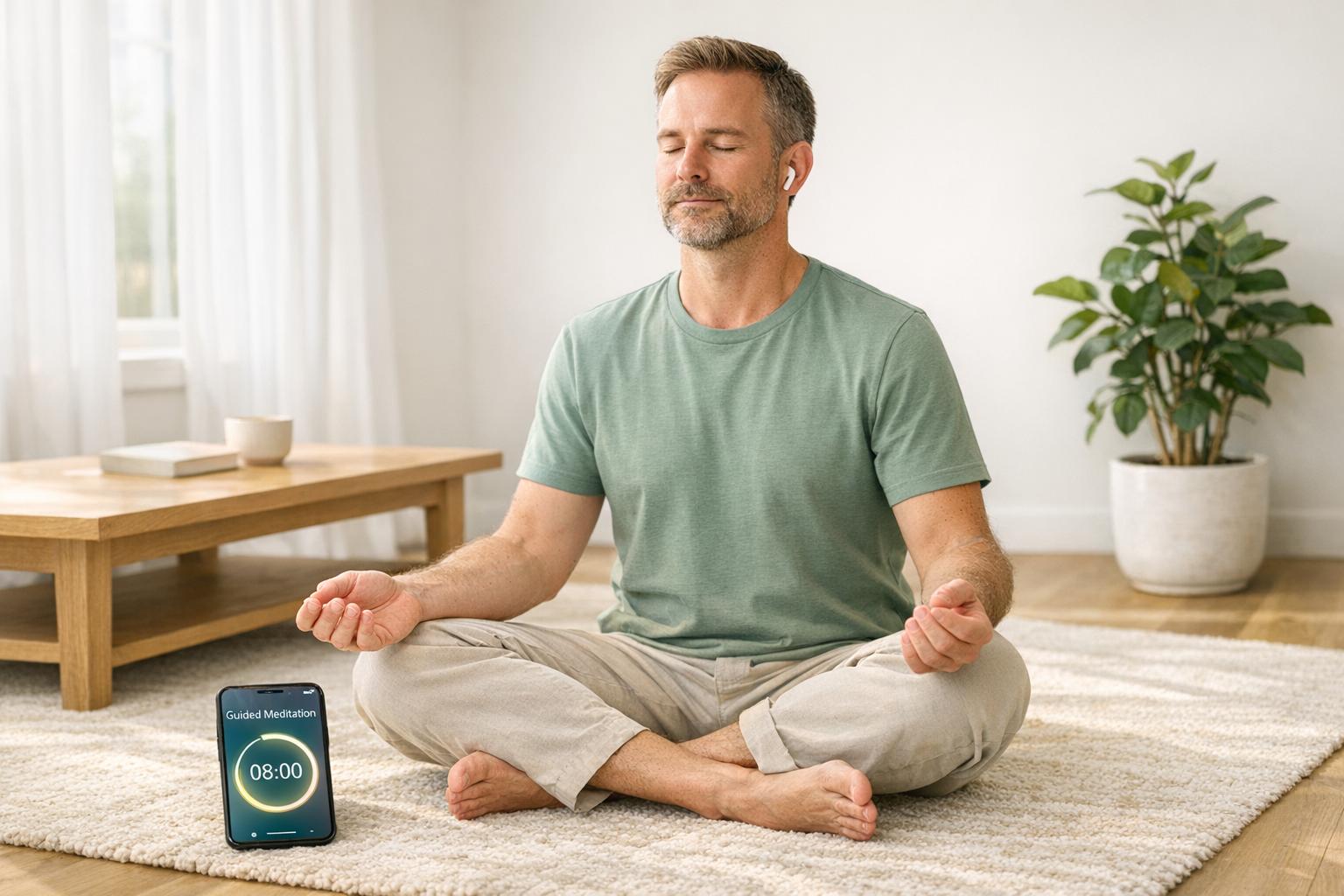
Choose a position that feels both stable and relaxed. You could sit with your feet flat on the floor, cross your legs on a cushion, or lie down if your goal is relaxation. Once you’re settled, release tension in your shoulders, unclench your jaw, and rest your hands naturally. Set a timer for five minutes with a gentle alarm so you can focus without worrying about the time.
Step 2: Practice Deep Breathing
Start with simple breathing techniques to help calm your mind and body. One option is box breathing: inhale through your nose for four counts, hold for four, exhale for four, and hold again for four. Another method is the 4-6 breathing technique, where you inhale for four counts and exhale for six. This helps activate your body’s relaxation response, lowering your heart rate and easing tension.
Focus on where your breath feels most noticeable - your nostrils, chest, or belly - and keep your attention there. If your mind starts to wander, acknowledge the distraction without judgment and gently bring your focus back to your breathing. This act of refocusing is what strengthens your mindfulness.
| Technique | Pattern (Inhale-Hold-Exhale-Hold) | Benefits |
|---|---|---|
| Box Breathing | 4 - 4 - 4 - 4 | Calms the nervous system; steadies the mind |
| 4-7-8 Method | 4 - 7 - 8 - 0 | Eases anxiety; supports better sleep |
| 4-6 Relaxer | 4 - 0 - 6 - 0 | Lowers heart rate; promotes relaxation |
Once your breathing feels steady, you can deepen the practice with a body scan or visualization.
Step 3: Use Guided Visualization or Body Scan
A body scan is a simple way to release tension. Start at the top of your head and slowly bring your attention down to your toes, noticing any areas of tightness. When you find tension - maybe in your shoulders, jaw, or hands - observe it and imagine it softening as you exhale.
If you prefer, try a guided visualization. Picture a peaceful place, like a sunlit beach, a quiet forest, or a cozy room. Engage all your senses: feel the warmth of the sun, smell the salt in the air, hear the rustling leaves, and imagine the texture of sand or grass underfoot. Your brain processes these imagined sensations as if they were real, helping to shift your body into a relaxed state.
Even a few minutes of this practice can help lower stress hormones and steady your heart rate. If visualizing isn’t easy for you, focus on imagined sounds, textures, or the emotional comfort of a safe space.
Step 4: Notice Thoughts Without Reacting
It’s completely normal for your mind to wander during meditation. When you catch yourself thinking about errands, past conversations, or anything else, just notice the thought and let it pass without judgment. Then, gently bring your focus back to your breath, body, or visualization.
This process isn’t about eliminating distractions - it’s about noticing them and returning to the present moment. Over time, this practice strengthens your ability to manage stress and stay grounded.
"Meditation isn't about fighting off distractions; it's about noticing them and then coming back to the present, over and over again." - Calm Editorial Team
Step 5: Close the Session Gently
When your timer goes off, take a moment to check in with your body. Wiggle your fingers and toes, roll your shoulders, and take a deep breath. If your eyes were closed, open them slowly, allowing yourself to adjust. Don’t rush back into your day - carry the sense of calm you’ve created with you as you move forward. This short meditation can reset your stress levels and give you a fresh start. To maintain these benefits, consider learning how to start a daily mindfulness practice.
sbb-itb-bea8dce
Making Guided Meditation Part of Your Daily Routine
After picking up quick stress-relief techniques, why not take it a step further by weaving guided meditation into your daily life? It’s simpler than you might think.
Begin with Short Sessions
Meditation doesn’t have to be a time-consuming activity. Starting with just one to five minutes can make the practice feel approachable instead of overwhelming. In fact, studies show that even a brief 10-minute mindfulness session can lower stress hormones and improve your focus during the day. What’s more, sticking to a consistent 10-minute daily practice is more effective at rewiring your brain than occasional hour-long sessions.
As you get comfortable with five-minute meditations, try extending your sessions by just 1-2 minutes each week until you reach 10-15 minutes. On particularly hectic days, even a quick 30-second deep-breathing pause can help you stay on track. As the Calm Editorial Team wisely states, “Consistency - however imperfect - is what strengthens the skill”.
One way to make meditation a habit is through habit stacking - pairing it with something you already do regularly. For example, you could meditate right after brushing your teeth, while waiting for your coffee to brew, or during a natural pause, like before a meeting or while standing in line.
Use Meditation Apps for Easy Access
Guided meditation apps can simplify your practice by providing clear instructions and structure. Listening to a guided voice can help with pacing and offer reassurance, which is especially useful when you’re feeling stressed and a silent practice seems too intimidating.
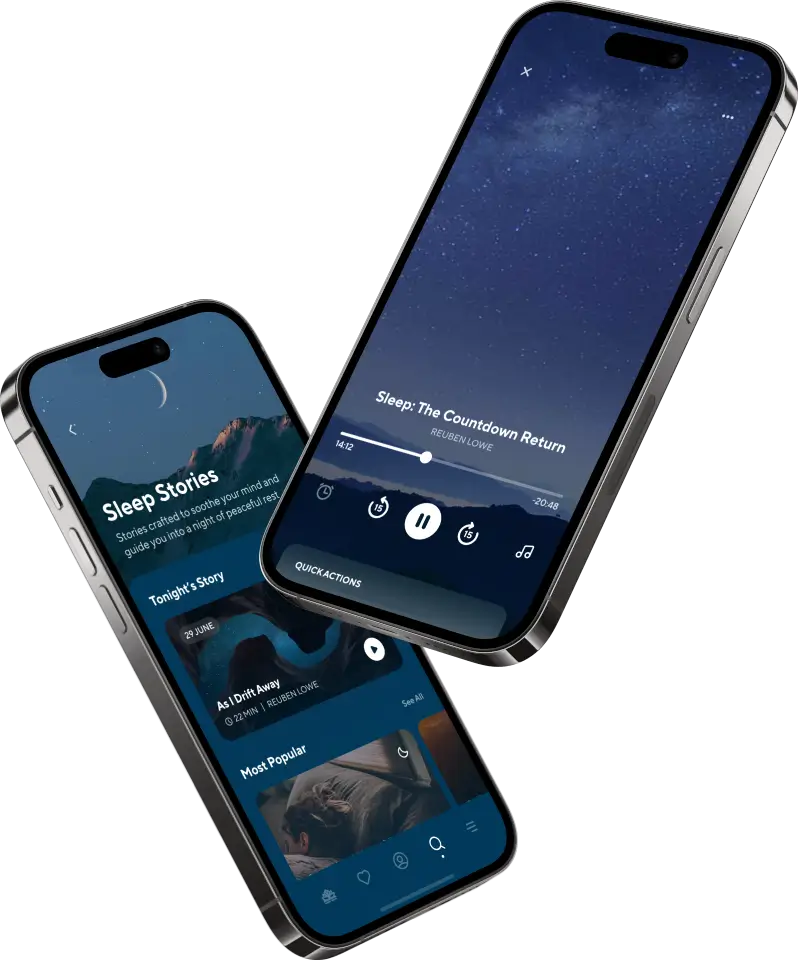
The Mindfulness App is a great option, offering over 500 guided sessions tailored for stress relief. These sessions range from as short as one minute to longer, more immersive practices. Whether you’re squeezing in a quick body scan between meetings, visualizing during your commute, or calming your mind with a breathing exercise before diving into emails, there’s something for every moment. Plus, with offline functionality, you can meditate anywhere - even when you’re disconnected from Wi-Fi. The app’s 14-day free trial is a perfect way to explore what resonates with you and fits into your routine. Making guided meditation a daily habit not only builds consistency but also amplifies the stress-relief benefits you’ve already started experiencing.
Getting Started with The Mindfulness App
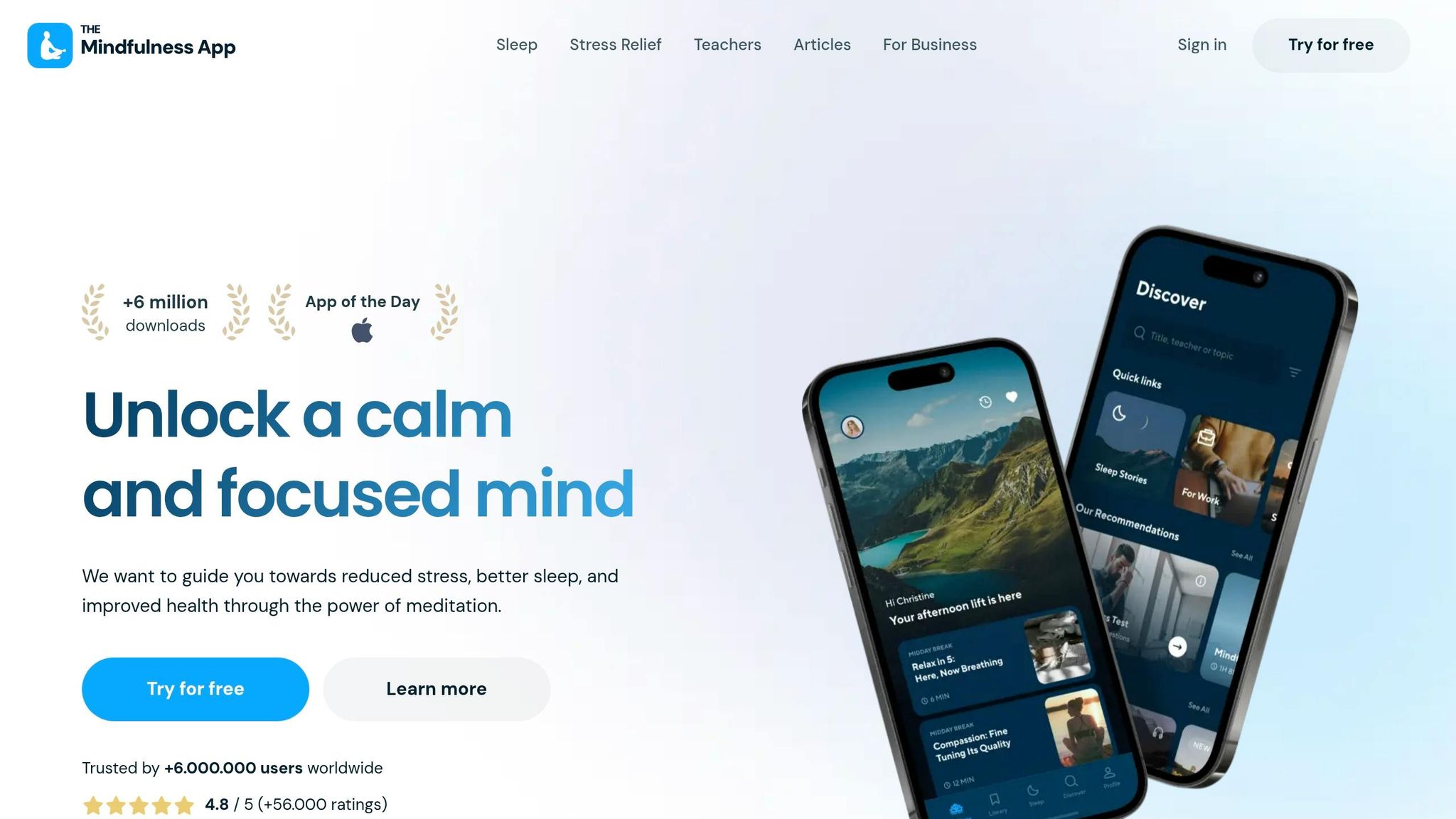
Guided meditation is a powerful way to ease stress, and The Mindfulness App is here to make it part of your daily life and morning routine. With everything you need in one place, it’s no wonder this app has been downloaded over 6 million times and has logged more than 180 million mindful minutes globally. If you’re ready for consistent stress relief, this app could be a game-changer.
Explore Over 500 Guided Meditation Tracks
The app features a massive library of 500+ guided meditations, sleep stories, and courses designed to help you manage stress. Whether you need a quick three-minute body scan to halt anxious thoughts or a longer session to decompress after a rough day, there’s something for every situation. Even better, the content is available in 12 languages, making it accessible no matter where you live or what language you speak. This diverse collection ensures you’ll always have tools to support your mindfulness journey.
Specialized Tools for Stress Relief
What sets The Mindfulness App apart is its specialized features. For instance, the Stress Test tracks changes in anxiety over time, giving you insights into your stress patterns. You can also schedule mindful break reminders during your workday and use curated "at work" sessions to stay grounded under pressure. According to user feedback, 89% of people felt calmer and noticed reduced stress levels after just one week of using daily five-minute sessions.
Customized Programs for Stress Management
The app also offers personalized programs tailored to your specific stress triggers. Whether you’re struggling with workplace challenges, trouble sleeping, or general anxiety, there’s a course designed for you. The premium library includes tools like the "Nervous System RESET", which helps activate your parasympathetic system to naturally lower your heart rate and blood pressure when stress takes over.
"Life changing. I manage my stress, reduce anxiety and can build confidence in myself again." - Juan F.
With a stellar 4.8/5 rating from over 56,000 reviews and recognition as "App of the Day", it’s clear this app has made a real impact on stress management for many users.
Start Your Free 14-Day Trial
Curious to see how it works? The Mindfulness App offers a 14-day free trial of its premium library, which includes over 500 guided meditations, sleep stories, and courses. No credit card is required upfront, so you can explore without any commitment. During the trial, you can also take the Stress Test to set a baseline and track how your stress levels improve as you build a consistent meditation habit.
Ready to get started? Visit https://themindfulnessapp.com and take the first step toward a calmer, more balanced life.
Conclusion
Guided meditation is a simple and quick way to ease stress. It can be practiced in just one to five minutes, making it a practical option even for those with packed schedules. The guided aspect takes away the need to self-direct, letting your mind relax without extra effort.
Even brief sessions have powerful effects. A few minutes of focused breathing can activate your parasympathetic nervous system, slowing your heart rate, reducing cortisol levels, and calming the amygdala. At the same time, it strengthens the prefrontal cortex. Remarkably, just one minute of meditation can help lower blood pressure and boost immune function.
What really makes a difference is consistency. Regular, short sessions can train your mind to handle stress more calmly. As meditation teacher Andy Puddicombe puts it, "Setting aside a little time each day to get to know your mind is a great step on the path to an altogether healthier and happier life".
To make this practice part of your daily routine, consider using The Mindfulness App. It offers over 500 guided meditations tailored to specific situations, like managing pre-presentation nerves or resolving workplace conflicts. Ready to give it a try? Start your free 14-day trial today at https://themindfulnessapp.com and take the first step toward a calmer, more balanced life.
FAQs
How do I know if guided meditation is working for my stress?
You can tell if guided meditation is helping with stress by paying attention to noticeable improvements in your daily life. For instance, you might feel calmer, handle emotions more effectively, or notice fewer stress-triggered reactions. Some individuals even experience changes in brain activity that support emotional regulation. Consistent practice and being mindful of these shifts can help you assess whether guided meditation is making a difference.
What should I do if I can’t focus or my mind won’t stop racing?
If you find your mind racing or have trouble focusing, take a moment for a quick 10-minute guided meditation to quiet your thoughts. Find a peaceful spot, sit comfortably, and concentrate on your breathing or a soothing word. When your thoughts wander, gently bring your focus back. Beginning with short sessions can make it easier to establish a regular practice. Apps like The Mindfulness App provide guided tracks specifically designed to help with racing thoughts and boost mindfulness.
When is the best time of day to do a quick guided meditation?
The ideal time for a quick guided meditation is often early in the morning, between 4:00 AM and 6:00 AM. This is when the world is still, and your mind is naturally more at ease. If that feels a bit too early, another great window is between 7:00 AM and 9:00 AM, as it fits seamlessly into morning routines and helps create a peaceful mindset to carry through the day.