
Progressive Muscle Relaxation (PMR) is a simple technique that helps reduce stress and tension by tensing and relaxing different muscle groups. It’s easy to practice, requires no special equipment, and works well for managing anxiety, improving sleep, and easing physical discomfort caused by stress. Here’s a quick overview:
- What it does: Relieves stress by teaching your body to recognize and release muscle tension.
- How it works: You tense each muscle group for 5–10 seconds, then relax for 10–30 seconds.
- Who it’s for: Anyone dealing with stress, anxiety, or trouble sleeping. However, consult a doctor if you have conditions like high blood pressure or chronic pain.
- When to use it: Before bed, during stressful moments, or as a daily relaxation routine.
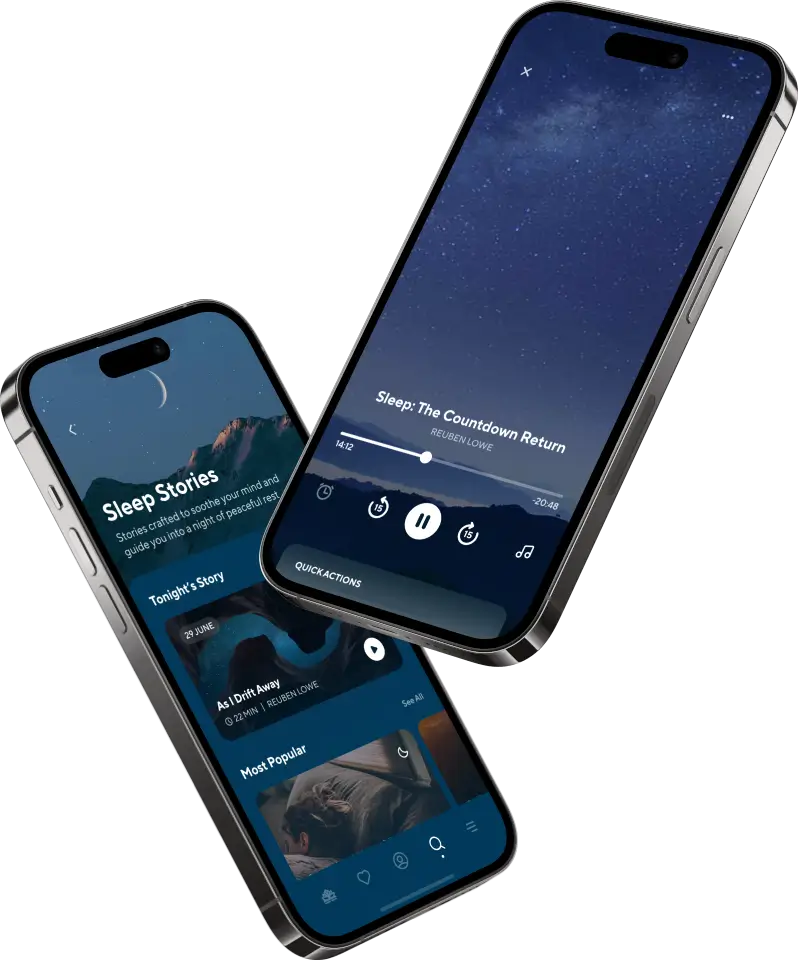
- Tools to help: Guided audio sessions, like those on The Mindfulness App, can simplify the process for beginners.
PMR is most effective when practiced regularly, even for just 10–20 minutes a day. This guide walks you through everything you need to know, including preparation, step-by-step instructions, and tips for making it part of your daily routine.
Preparation and Safety Guidelines
Setting Up Your Space
Find a quiet place where you can dedicate 15–20 minutes without interruptions. Silence your devices, and if background noise is an issue, consider using a fan or a white-noise machine. Aim for soft lighting and keep the room at a comfortable 68–72°F. If you tend to feel chilly, have a light blanket handy.
Wear loose, comfortable clothing and take off your shoes to allow for easy movement and relaxation. Arrange your space with supportive furniture that suits your needs. You can sit in a firm chair with good back support, keeping both feet flat on the floor, or lie down on a bed, yoga mat, or couch. If lying on your back, use a small pillow under your head and, if needed, one under your knees to ease any strain on your lower back. An eye mask can also help block out distractions.
Once your space feels ready, settle into a position that feels comfortable and begin your deep breathing exercises.
Breathing and Body Position
Start with slow, deep breaths - inhale deeply into your belly for 4 seconds, then exhale fully for 6 seconds. Choose a position that works best for you: either lying flat on your back with your arms resting at your sides or sitting upright with your feet flat on the floor and your hands lightly resting on your thighs.
Once your breathing feels steady and natural, you’re ready to move into the muscle tension and relaxation sequence.
Safety Tips
When tensing your muscles, do so firmly but without causing pain. Hold the tension for 5–10 seconds, then relax completely for 10–30 seconds. Be cautious not to tense any areas that are injured or already painful without guidance from a medical professional.
Maintain steady breathing throughout the exercise - don’t hold your breath, as this can temporarily raise your blood pressure and may cause lightheadedness. If you have any cardiovascular conditions, chronic pain, respiratory issues, or neurological disorders, consult your healthcare provider before starting progressive muscle relaxation (PMR). If you experience chest pain, severe shortness of breath, or intense dizziness, stop immediately and seek medical advice.
Progressive Muscle Relaxation Training
Step-by-Step Progressive Muscle Relaxation Technique
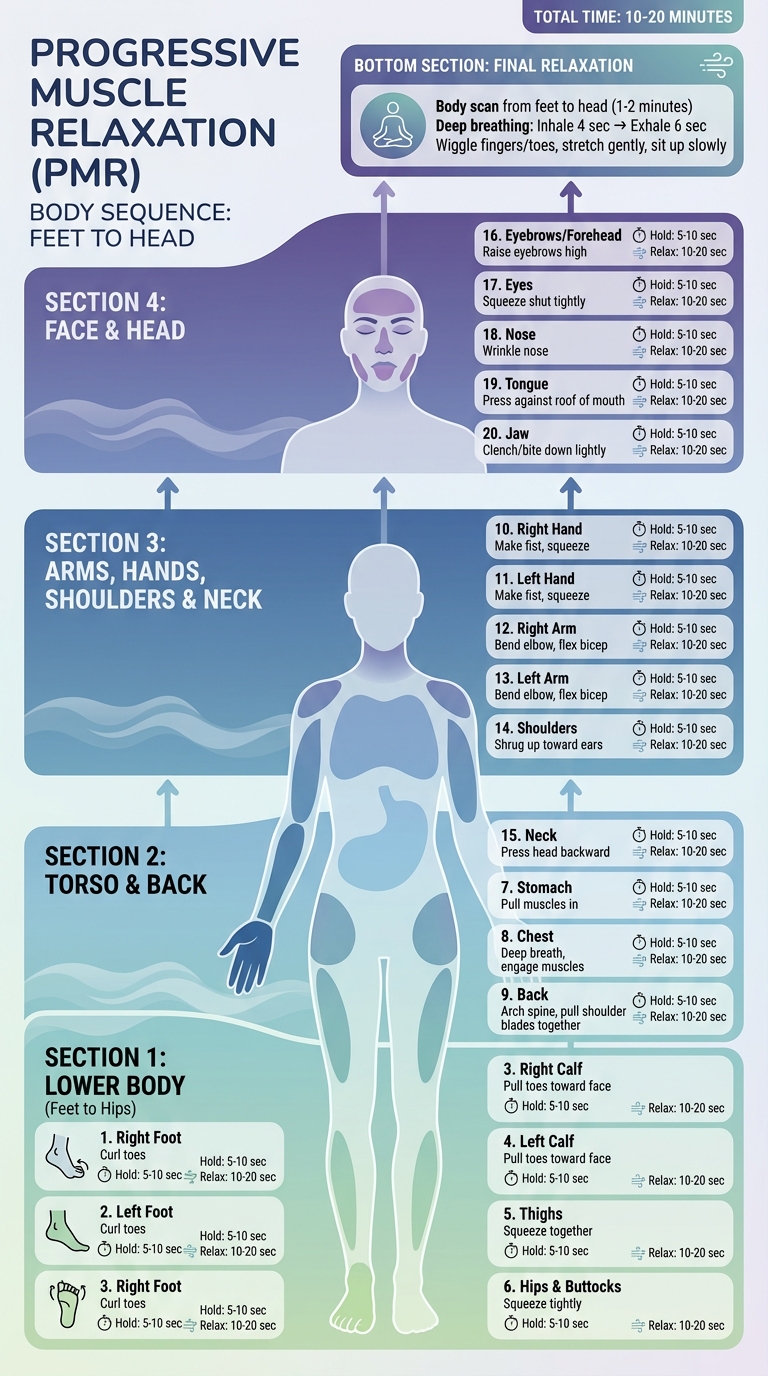
Progressive Muscle Relaxation: Complete Body Sequence Guide
Here’s how you can guide yourself through a full progressive muscle relaxation session. For each muscle group, hold the tension for about 5–10 seconds, then relax for 10–20 seconds.
Lower Body: Feet to Hips
Start with your right foot. Curl your toes, tightening the muscles in your foot as you inhale. Then, exhale and release the tension, letting your foot go completely limp. Pay attention to the difference between the tension and the relaxation. If it feels uncomfortable or you notice cramping, ease up on the tension. Repeat this process with your left foot.
Next, focus on your right calf. Pull your toes toward your face to engage the calf muscle, hold it as you breathe in, then exhale and let go. Avoid overstretching your ankle. Repeat on your left calf. Move up to your thighs - squeeze them together or press them firmly into the surface beneath you, hold, then release. Finally, tense your hips and buttocks by squeezing tightly, hold for a few seconds, and then completely relax as you breathe out.
Torso and Back
Tighten your stomach muscles by pulling them in, hold the tension as you breathe steadily, then let your belly soften as you exhale. For your chest, take a deep breath and hold it while engaging your chest muscles. Exhale fully and allow your chest to relax. Shift to your back by gently arching your spine and pulling your shoulder blades together. Hold briefly, being careful not to overdo it, then relax and let your back settle into a neutral position.
Arms, Hands, Shoulders, and Neck
Make a fist with your right hand and squeeze tightly, hold, then release and let your fingers loosen. Repeat with your left hand. Move to your right arm - bend it at the elbow and flex your bicep, hold, then straighten your arm and let it relax. Do the same with your left arm. For your shoulders, shrug them up toward your ears, hold the tension, then drop them down and feel the release. Finish with your neck by gently pressing your head backward, hold the position, then relax and let your head rest naturally.
Once your upper body feels relaxed, shift your focus to your face and head.
Face and Head
Raise your eyebrows as high as you can to tighten your forehead, hold, then let the muscles smooth out as you relax. Squeeze your eyes shut tightly, hold, then open them gently. Wrinkle your nose like you’re reacting to a bad smell, hold, then release. Press your tongue against the roof of your mouth, hold, and then let it rest naturally. Clench your jaw by biting down lightly, hold, then let your mouth fall slightly open, allowing your jaw to relax. Notice the calm, soft feeling in your entire face.
Final Relaxation
Once you’ve worked through all the muscle groups, take a moment to relax your entire body. Slowly scan from your feet to your head, noticing any areas that might still feel tense. If needed, briefly tense those areas again for 5 seconds, then release completely. Spend 1–2 minutes resting quietly, breathing deeply - inhale for 4 seconds, exhale for 6 seconds. When you’re ready to finish, wiggle your fingers and toes, stretch gently, and slowly sit up, feeling refreshed and relaxed.
sbb-itb-bea8dce
Making PMR Part of Your Daily Routine
Creating a Practice Schedule
Set aside 10–20 minutes each day for progressive muscle relaxation (PMR), ideally in the evening. Practicing consistently at the same time helps establish it as a daily habit. Studies indicate that regular PMR sessions can significantly lower muscle tension and anxiety levels over time, with noticeable progress often reported within just 1–2 weeks of daily practice.
To make this habit stick, try pairing your PMR session with an existing routine, like brushing your teeth or getting into bed. Calendar alerts or phone reminders can also help until it becomes second nature. On particularly stressful days, consider adding an extra 5–10 minute session to help ease tension.
Once your routine is in place, the next step is knowing the best times to use PMR for maximum benefit.
When to Use PMR
PMR can be a powerful tool for managing stress when applied at the right moments. Before high-pressure situations like exams, presentations, or job interviews, a quick 3–5 minute session focusing on areas like your hands, shoulders, neck, and face can help reduce anxiety and physical tension. Similarly, after a long commute or workday, a 10–15 minute session can mark the transition from work to home life and help you unwind.
For midday stress relief, a "mini" PMR session lasting just 2–5 minutes can work wonders. Concentrate on areas prone to tension - like your fists, shoulders, and jaw - and pair the tension-release technique with slow, controlled breathing (exhaling longer than you inhale) for a quick mental and physical reset.
If you find it difficult to guide yourself through PMR, using a guided session can make the process easier and more effective.
Using Guided Sessions
The Mindfulness App offers a library of over 500 guided tracks in 12 languages, including PMR-focused sessions. These sessions provide step-by-step instructions to help you tense and release each muscle group, making it especially useful for beginners.
As Sara from Sweden shared, "The Mindfulness App is the best. I sleep much better after meditating in the evening and feel so much more rested in the morning!"
The app includes a 14-day free trial, giving you full access to its premium features, such as breathing exercises and body scans, which complement PMR. With a 4.8/5 rating from over 56,000 users, The Mindfulness App is a valuable tool for improving sleep and managing stress long-term.
Tips and Variations
Dealing with Common Challenges
Starting a Progressive Muscle Relaxation (PMR) routine can come with its fair share of challenges. One common hurdle is dealing with a wandering mind. It’s completely normal for your thoughts to drift during practice. The key is gently bringing your focus back to the physical sensations in your body. When your mind strays, redirect your attention to the muscle group you're working on and notice the contrast between tension and relaxation. Even small changes in how your muscles feel can make a difference. As Olivia from Norway shared, “I love it! Helps a lot through the difficult and the good times... everybody should download, and don’t give up, it takes practice!”
If you’re not seeing immediate results, start small with 5–10 minute sessions. Real progress often requires consistent practice - daily or almost daily - for several weeks.
Occasionally, you might notice mild shaking during the tensing phase. To address this, try holding the tension for a shorter period, like 3–5 seconds, and then extend the relaxation phase to 15–30 seconds.
Modifying PMR for Different Needs
PMR can be tailored to suit a variety of needs, including mobility challenges, chronic pain, or fatigue. If lying down feels uncomfortable, you can practice while seated in a supportive chair. Make sure your back is properly supported and your feet rest flat on the floor for stability.
For those managing chronic pain or medical conditions, a gentler approach may be more effective. Instead of fully engaging your muscles, use only about 20–30% of your effort and focus on releasing tension. Alternatively, you can try a “release-only” method by visualizing the muscles softening and becoming heavy without actively tensing them.
If you have specific health concerns like uncontrolled high blood pressure, heart conditions, severe musculoskeletal issues, or have recently undergone surgery, consult a healthcare provider before attempting more intense muscle-tensing exercises.
These adjustments make PMR accessible while complementing other relaxation techniques.
Combining PMR with Other Methods
To deepen the stress-relief benefits of PMR, consider pairing it with other relaxation techniques. For instance, deep breathing can amplify PMR’s effects by activating the body’s calming parasympathetic response. Start with a simple breathing pattern: inhale for 4 counts, hold for 2 counts, and exhale for 6 counts. You can even incorporate abdominal tension during the inhale and release it completely on the exhale to enhance relaxation in your torso.
Mindfulness meditation is another great companion to PMR. After completing your PMR session, spend 5 minutes doing a body scan meditation. Simply observe the sensations of relaxation in your body without judgment. This combination helps release physical tension while keeping your mind focused and present.
If you’re working on improving your sleep, try a 15-minute PMR session in bed. Dim the lights, put away screens, and let the session signal to your body that it’s time to wind down.
Guided audio sessions can also be a helpful addition. Apps like The Mindfulness App offer tracks that blend PMR with guided breathing exercises or calming sleep stories, making it easier to maintain a regular practice and achieve deeper levels of relaxation.
Conclusion
Progressive muscle relaxation (PMR) is a simple yet powerful way to manage stress, requiring just 10–20 minutes and a quiet space. By working through each muscle group - from your feet to your head - you learn to distinguish between tension and relaxation. With regular practice, this technique not only reduces stress but also promotes better sleep, lowers anxiety, and supports overall well-being.
The secret to getting the most out of PMR? Consistency. While you might feel some immediate relief after your first session, the real benefits come with daily practice. Over time, your body becomes more adept at releasing stress, making it easier to stay calm and centered throughout your day. Practicing before bed can be particularly effective, helping you wind down and improve your sleep quality.
One of the best things about PMR is how easily it fits into your routine. Whether you’re taking a quick break during a busy workday or settling in for the night, you can practice almost anywhere. Sit comfortably in a chair or lie down in bed - it’s entirely up to you.
If you’re new to PMR, guided sessions can be a great starting point. Apps like The Mindfulness App offer guided PMR exercises that walk you through the process, making it easier to stay consistent and deepen your relaxation.
Why not try a 5–10 minute session today? It’s a small step toward lasting calm and a healthier, more balanced life.
FAQs
What’s the best way to make progressive muscle relaxation a part of my daily routine?
To integrate progressive muscle relaxation (PMR) into your daily routine, dedicate 10–15 minutes at a consistent time each day. This could be in the morning to set a calm tone for the day or in the evening to help you relax before bed. Pick a quiet, comfortable spot where you can focus without interruptions.
If you need a little help staying on track, try using guided meditations. They can make the practice easier to stick with and even more effective. With regular practice, PMR can help ease stress, promote relaxation, and support your overall well-being.
Is it safe to practice progressive muscle relaxation if I have a medical condition?
If you’re managing health conditions like heart problems, high blood pressure, or musculoskeletal disorders, it’s essential to be cautious with progressive muscle relaxation (PMR). These conditions might need adjustments to the technique or the support of a qualified professional.
For your well-being, it’s always a good idea to check in with a healthcare provider before beginning PMR, particularly if you have chronic conditions or specific medical concerns.
How can I stay focused during progressive muscle relaxation?
To maintain focus during progressive muscle relaxation, direct your attention to the feelings in your muscles as you tense and release them. If your thoughts start to drift, calmly bring your focus back to the exercise without being hard on yourself. Choosing a quiet, comfortable spot can reduce distractions and improve concentration. If you need extra guidance, using a guided meditation can add structure and keep you engaged throughout the practice.