
Progressive Muscle Relaxation (PMR) is a simple, science-backed method to help you relax and sleep better. It involves tensing and releasing muscles in specific groups, promoting physical and mental calm. Developed in the 1920s by Dr. Edmund Jacobson, PMR works by activating your "rest and digest" system, reducing stress, heart rate, and cortisol levels. Studies show PMR improves sleep quality, lowers anxiety, and even helps with chronic pain.
Here’s what you need to know to get started:
- Time Needed: 10–20 minutes per session.
- What You Need: A quiet space, comfortable clothing, and a place to sit or lie down.
- How It Works: Tense each muscle group for 5 seconds, then release for 10–20 seconds, starting at your feet and moving upward.
- Results: Noticeable benefits in 2–3 weeks with consistent nightly practice.
If you’re looking for a natural way to wind down and sleep better, PMR is worth trying. Start tonight with just a few minutes, and let your body guide you into deeper relaxation.
How PMR Improves Sleep Quality
Breaking the Stress and Tension Cycle
Stress has a sneaky way of keeping you up at night. When you’re anxious, your muscles tense up, sending signals to your brain that it needs to stay alert. Progressive Muscle Relaxation (PMR) interrupts this cycle by encouraging your muscles to relax, which helps quiet your mind.
Here’s how it works: PMR shifts your nervous system from the "fight-or-flight" mode into the "rest and digest" state. This change slows your heart rate and lowers your blood pressure. As you go through the process of tensing and relaxing each muscle group, your brain waves slow down, entering an "alpha state" - a calmer, more relaxed frequency that makes falling asleep easier. By focusing on the physical sensations of relaxation, you can redirect your attention away from the endless worries and mental checklists that often keep you awake.
"PMR pushes all those thoughts that we go over each night out of our heads and forces us to focus on one thing – relaxing." - Dr. Kathryn A. Boling, Family Medicine Specialist, Mercy Medical Center
These physiological changes set the stage for the research findings outlined below.
Research on PMR and Sleep
In October 2022, a University of California, Irvine study led by Katharine C. Simon explored the effects of PMR on sleep. Fifty college students participated, with one group practicing 10 minutes of PMR and the other listening to Mozart before a 90-minute nap. The results? The PMR group spent 125% more time in slow-wave sleep - the most restorative sleep phase - compared to the music group.
Another study from July 2021 at Luther College, led by Loren Toussaint and Quang Anh Nguyen, tested PMR alongside other techniques on 60 students. The PMR group showed a significant drop in skin conductance, a marker of stress, demonstrating the physical relaxation PMR brings. Similarly, a 2020 study of 80 burn patients found that practicing PMR for 20 to 30 minutes daily over three days reduced anxiety and noticeably improved sleep quality.
While you may notice some benefits immediately, the full effects of PMR typically develop after 2 to 3 weeks of consistent practice.
But PMR doesn’t just improve sleep stages - it also addresses other factors that make restful sleep hard to achieve.
Other Benefits That Help You Sleep
PMR does more than relax your muscles - it tackles common sleep disruptors head-on. For instance, chronic pain in areas like your neck, back, or joints can make it tough to get comfortable at night. Releasing muscle tension can ease that pain, clearing a path to better sleep. When paired with biofeedback, PMR has even been shown to reduce tension headaches by up to 60%.
Mental health improvements are another major advantage. An 8-week PMR program has been found to significantly reduce symptoms of depression and generalized anxiety disorder. In one 2018 study, participants practicing PMR reported less dental anxiety and fewer depression symptoms compared to non-practitioners. Since anxiety and depression are often tied to insomnia, addressing these issues through PMR helps create a calmer mental state that naturally supports better sleep.
"It is difficult for the body to relax if the mind is anxious because it gives cues to the body to be on 'high alert.' When one implements [PMR], their brain waves will naturally slow down, allowing sleep to naturally take over." - Nancy B. Irwin, PsyD, Licensed Clinical Psychologist
sbb-itb-bea8dce
Preparing for Your PMR Session
When and Where to Practice
Make PMR (Progressive Muscle Relaxation) a nightly habit as part of your bedtime routine. Doing this consistently helps signal to your body that it's time to relax and get ready for sleep. Find a quiet, dimly lit space where you can be undisturbed for about 15 to 20 minutes. Turn off all electronics - phones, tablets, and TVs should be out of sight and silent. If you often find it hard to fall asleep in bed, try practicing on a yoga mat instead. This can help avoid associating your bed with wakefulness or frustration. These small adjustments can create the perfect setting for a calming muscle relaxation session.
Getting Comfortable
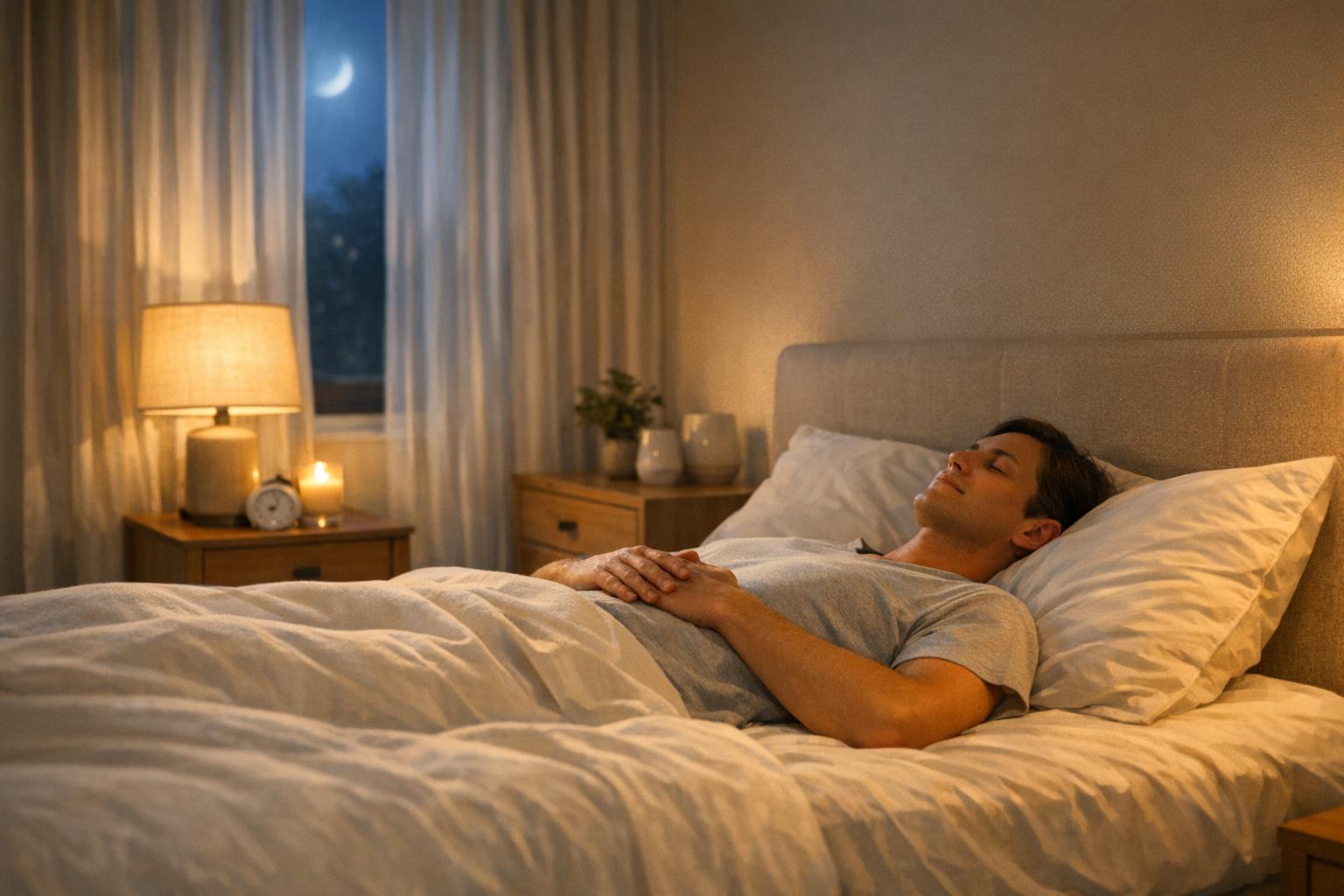
Lie on your back with your arms resting at your sides, palms facing up. This position allows your muscles to relax fully without restriction. Use a pillow under your head for neck support and another pillow under your knees to ease any strain on your lower back. Wear loose, comfortable clothing to eliminate distractions, and keep a light blanket nearby since your body may cool down during deep relaxation. Make sure the room temperature feels just right - a comfortably cool environment is ideal for promoting sleep.
"Research shows that a dark, quiet room with a comfortable temperature is best for sleeping." - The Mindfulness App
Once your body is settled, you're ready to prepare your mind for deeper relaxation.
Preparing Your Mind and Breath
With your body at ease, shift your focus to calming your mind and breathing. Spend 1–2 minutes practicing slow diaphragmatic breathing. Breathe in deeply through your nose, letting your belly rise while keeping your chest still, then exhale with a slow, audible sigh. This type of breathing activates your parasympathetic nervous system, which helps your body enter its natural "rest and digest" state. Close your eyes to block out distractions and deepen your connection between mind and body. If your thoughts start to race, acknowledge them without judgment and gently return your focus to your breath. This preparation lays the groundwork for the muscle relaxation techniques to follow.
"When you encourage each muscle group to relax – in tandem with slow, diaphragmatic breathing - you can enter a more relaxed physiological state." - Nicole Avena, Ph.D., Assistant Professor of Neuroscience, Mount Sinai School of Medicine
😴Progressive Muscular Relaxation Guided Sleep Meditation for Anxiety & Insomnia Relief at Bedtime😴
Step-by-Step PMR Instructions

Progressive Muscle Relaxation Step-by-Step Guide for Better Sleep
The Tensing and Relaxing Process
Once you've set up your space for relaxation, it's time to dive into the tensing and relaxing sequence. This process starts at your feet and works its way up through your body.
Here’s how it works: Take a deep breath and tense each muscle group for about 5 seconds. The goal is to feel the tension - but not pain. Then, as you exhale slowly, release the tension and relax for 10–20 seconds. Pay close attention to how your muscles feel as they shift from tense to relaxed.
| Muscle Group | How to Tense |
|---|---|
| Feet | Curl your toes downward, or fan them out while arching your foot |
| Calves | Flex your calf muscles by pulling your toes toward your shins |
| Thighs | Tighten your thighs; your knees might move slightly toward each other |
| Buttocks | Clench your glutes firmly together |
| Stomach/Abdomen | Suck in or tighten your abdominal muscles |
| Hands | Make tight fists with both hands |
| Arms | Flex your biceps as if "making a muscle" or straighten your arms to tighten triceps |
| Shoulders | Shrug your shoulders upward toward your ears |
| Jaw and Mouth | Clench your jaw and teeth, or open your mouth as wide as possible |
| Eyes and Face | Squeeze your eyes shut and scrunch up your whole face |
| Forehead | Raise your eyebrows as high as you can or wrinkle your brow |
As you release each muscle group, let yourself feel the heaviness as your body sinks into the surface beneath you. If your mind starts to wander, gently refocus using mindfulness practices for present moment awareness to stay centered on the physical sensations of relaxation.
"The more you practice PMR, the more you learn to recognize the difference between your body's tense and relaxed states, and the better you become at taming the tension before it takes hold."
– Claudia Zurlini, Certified Meditation Instructor, HSS
If needed, you can adjust the routine for your specific needs.
Adjusting the Routine for Your Needs
Pressed for time? Combine muscle groups. For example, tense both feet or both arms at the same time. If you deal with chronic pain, joint issues, or muscle spasms, skip over those areas or gently relax them without applying full tension. You can also reduce the intensity by tensing muscles to only 20–30% of their capacity instead of going all out.
If you have serious injuries, take blood pressure medication, or other health concerns, consult your healthcare provider beforehand. Additionally, stand up slowly after each session to avoid dizziness.
These adjustments allow you to tailor PMR to your schedule and comfort level.
How Long It Takes and What to Focus On
A full PMR session generally takes 10–20 minutes. During this time, focus on the immediate contrast between tension and relaxation in each muscle group. Once you’ve completed the sequence, remain still for a few extra minutes to fully enjoy the calm.
If you’re having trouble noticing the difference between tension and relaxation, try holding each contraction a bit longer - up to 8–10 seconds - or exaggerate the movement to make the release more pronounced.
Making PMR Part of Your Nightly Routine
Practicing at the Same Time Each Night
Consistency is the secret to making Progressive Muscle Relaxation (PMR) a natural part of your sleep routine. When you practice PMR at the same time every evening, your body starts to associate it with bedtime, almost like a signal that it’s time to wind down for the night. Research shows that you’ll start noticing the full benefits after 2–3 weeks of regular practice. Think of it like brushing your teeth - it’s not just for those nights when stress has you tossing and turning, but something you commit to every night.
One way to make PMR stick is to link it to an activity you already do without thinking, like changing into your pajamas or brushing your teeth. By attaching it to an existing habit, you’re more likely to remember and follow through.
Pairing PMR with Other Bedtime Habits
PMR works even better when it’s part of a larger wind-down routine. Combine it with other relaxing activities to help your body shift into sleep mode. For example, turn off your phone or put it on silent at least an hour before bed to minimize blue light exposure and avoid distractions. Lower the lights in your room, sip on a warm cup of chamomile tea, or take a soothing bath before starting your PMR session. These small rituals prepare both your mind and body for rest.
Before diving into the muscle-tensing and releasing exercises, try taking breathing exercises for anxiety relief to activate your parasympathetic nervous system and set a calming tone. This simple breathing exercise lays the groundwork for a more effective PMR session.
Once you’ve established a routine, it’s important to know how to handle any challenges that might pop up.
Dealing with Common Problems
Even with a steady PMR routine, you might encounter some hiccups. If your mind starts to wander during the practice, gently bring your focus back to the specific muscle group you’re working on or count your breaths to stay grounded.
On nights when stress feels overwhelming, try intensifying the tension by holding each muscle contraction for 8 to 10 seconds instead of the usual 5. This can create a more noticeable sense of release. If you’re short on time, don’t skip PMR altogether - just focus on areas where tension tends to build up, like your jaw, neck, and shoulders, for a quick 1- to 2-minute session.
If you finish your PMR routine but still find yourself wide awake, consider practicing on a yoga mat instead of in bed. This helps prevent your brain from associating your bed with wakefulness.
For extra support, especially if you’re new to PMR, you can explore guided sessions through tools like The Mindfulness App (https://themindfulnessapp.com) to help solidify your nightly relaxation practice.
Conclusion
Progressive Muscle Relaxation (PMR) is a powerful way to break the cycle of stress and sleeplessness. By systematically tensing and releasing your muscles, you can release pent-up tension and train your mind to recognize what true relaxation feels like. This focused approach also helps shift your attention away from the racing thoughts and worries that often keep you awake.
While you might notice some relief after just one session, the real benefits come with consistency. Research suggests that many people experience noticeable improvements in sleep quality after about a month of nightly practice. In fact, an eight-week PMR program has been found to significantly reduce symptoms of depression, anxiety, and stress, while also enhancing overall quality of life. Over time, as your body strengthens the neural pathways associated with relaxation, the technique becomes more automatic, making it easier to unwind on demand.
Using guided sessions can make the process even smoother. Audio guides help you stay focused on the sequence, keeping distracting thoughts at bay.
"Following an audio script works similarly to sleep hypnosis, where your brain bypasses active thinking to focus on relaxation." - Nicole Avena, Ph.D., Assistant Professor of Neuroscience, Mount Sinai School of Medicine
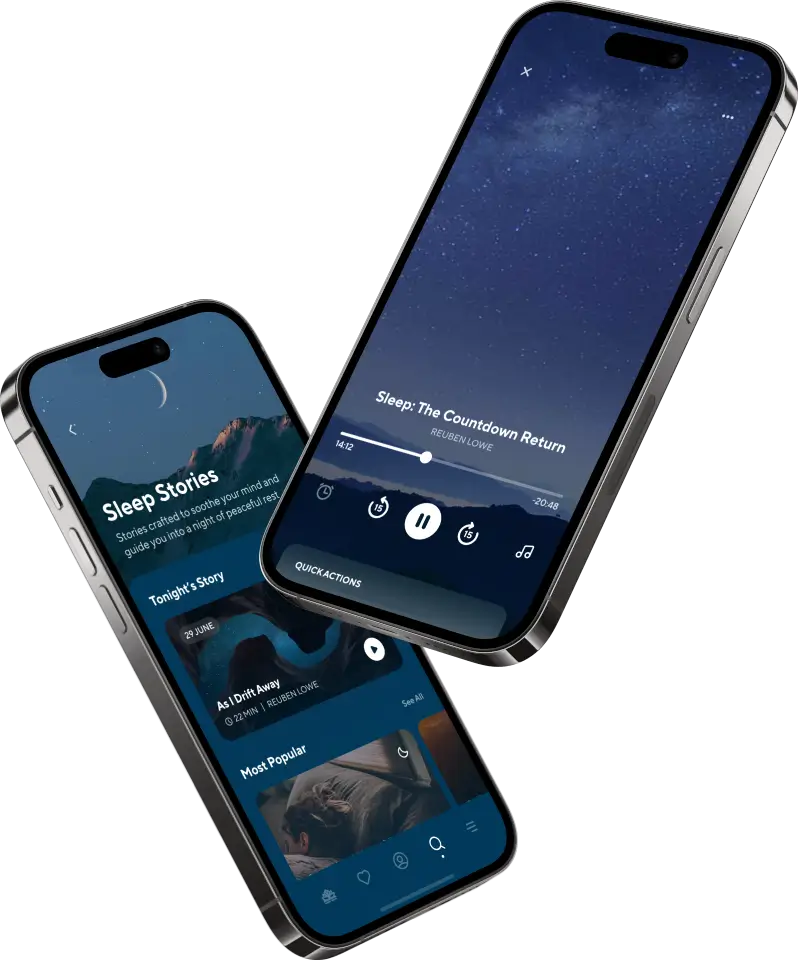
Apps like The Mindfulness App (https://themindfulnessapp.com) offer a variety of guided meditations and relaxation tracks in 12 languages. With over 500 exclusive sessions, it’s a great tool to help you master PMR and establish a consistent nightly routine.
You don’t need to wait - start tonight. A 10- to 20-minute session is enough to guide your body into a state of deep relaxation and prepare you for restful sleep. By making PMR a regular part of your evenings, you create a reliable path to better, more restorative sleep.
FAQs
What makes Progressive Muscle Relaxation effective for better sleep compared to other techniques?
Progressive Muscle Relaxation (PMR) is a practical technique for improving sleep by addressing physical tension directly. It involves systematically tensing and then relaxing each major muscle group, which helps activate the parasympathetic nervous system - the part of your body responsible for promoting relaxation and preparing you for deep, restorative sleep. The best part? PMR is flexible. You can practice it lying down, sitting, or even standing, and it only takes about 10–15 minutes per session. With consistent practice, many people report noticeable improvements in their sleep quality within just a few weeks.
What sets PMR apart from methods like deep breathing or guided imagery is its focus on muscle tension. This makes it a more hands-on approach to managing stress. Plus, there’s no need for any special equipment, so it’s something you can do anytime, anywhere. If you prefer guided assistance, apps like The Mindfulness App offer audio-guided PMR sessions, along with other helpful tools designed to support better sleep and relaxation.
Can progressive muscle relaxation help with chronic pain or anxiety?
Progressive muscle relaxation (PMR) is a powerful tool for managing anxiety and, in some cases, chronic pain. By intentionally tensing and then relaxing different muscle groups, it helps calm the nervous system, lower stress levels, and even improve sleep quality. This technique is especially helpful for people dealing with anxiety-related challenges like panic attacks or insomnia, as it activates the parasympathetic nervous system, which helps counteract the body's "fight-or-flight" response.
For those living with chronic pain, PMR can help alleviate muscle tension that often amplifies discomfort. When combined with deep breathing, it may also improve mobility. That said, individuals with severe pain, recent injuries, or muscle spasms should check with a healthcare provider before trying PMR, as the muscle contractions involved might not be suitable for everyone.
If you’re curious about giving PMR a try, The Mindfulness App offers guided sessions tailored to support relaxation, ease anxiety, and manage pain, making it simple to weave into your daily routine.
What should I avoid when trying progressive muscle relaxation for the first time?
When practicing progressive muscle relaxation (PMR), there are a few missteps that can interfere with its benefits or even cause discomfort. Here’s how to avoid them:
First, don’t overdo it when tensing your muscles. The goal is a firm, controlled contraction - not one that leads to pain or cramping. Hold the tension for about 4 to 10 seconds, then release it completely and suddenly. This sharp contrast between tension and relaxation is key to the technique. Rushing through the process or holding tension for too long can not only reduce its effectiveness but also leave you feeling fatigued.
Deep, steady breathing is another essential part of PMR. Take a deep breath as you tense each muscle group, and fully exhale as you release the tension. This rhythm helps enhance relaxation and can even improve sleep quality. To stay focused, choose a quiet, comfortable spot free from distractions.
If you have health concerns like chronic pain, muscle spasms, or high blood pressure, it’s a good idea to check with a healthcare provider before starting PMR. Taking these precautions ensures the practice is safe and allows you to fully enjoy its soothing effects.