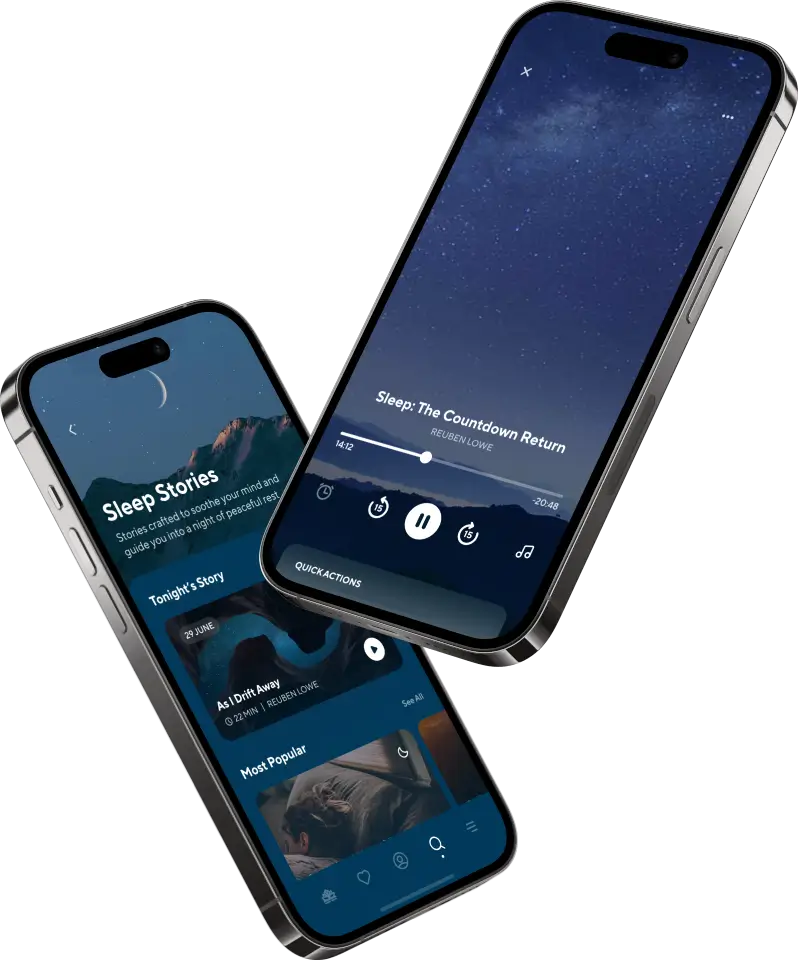


Struggling to fall asleep? Sleep stories might be the solution. These calming audio narratives use soothing voices, gentle sounds, and peaceful imagery to help quiet your racing thoughts and prepare your mind for rest. Here's what makes them effective:
- Distract your mind: They shift focus away from stress and worries without keeping you alert.
- Promote relaxation: Slow pacing, soft tones, and tranquil sounds slow your heart rate and breathing.
- Encourage melatonin production: Listening in a dark room supports your body's natural sleep cycle.
- Build bedtime habits: Regular use creates comforting sleep associations, making it easier to wind down.
This Bedtime Story Works Better Than Melatonin 🐋 The Sleepy Sounds of the Ocean | RELAXING Story
sbb-itb-bea8dce
How Sleep Stories Work
Sleep stories are crafted to guide your mind from wakefulness into rest. Unlike traditional tales that thrive on tension and excitement, these narratives are designed to calm your thoughts and gently lead you toward sleep. They engage your mind just enough to quiet anxious chatter, all without triggering alertness.
Using Sound to Calm the Mind
Your sense of hearing is the last to power down before sleep and the first to activate when you wake up. Sleep stories leverage this by creating a serene audio atmosphere at the perfect moment. Narrators use a slow, melodic tone - what Chris Advansun, a writer at Calm, describes as a "literary lullaby". This steady pacing, paired with soothing background sounds like rainfall or gentle nature noises, helps your body relax by slowing your heart rate and breathing.
The audio is designed to avoid abrupt changes that might disrupt your relaxation. Some stories even repeat themselves, with the second round delivered at a much slower pace, encouraging your mind to fully let go. This carefully crafted auditory experience shifts your focus, setting the stage for the next step: steering attention away from worries.
Redirecting Attention from Worries
When you lie down at night, your mind often races - replaying the day, planning for tomorrow, or dwelling on stressors. Sleep stories step in to break this cycle by giving your brain something else to focus on. The narratives are engaging enough to distract you from restless thoughts but not so stimulating that they keep you awake.
Because listening is a passive activity, you can stay in the dark, which helps your body produce melatonin. The stories often follow a non-linear structure, avoiding the kind of anticipation that could keep your mind alert. This setup allows for a natural drift into sleep.
Relaxation Through Narrative Techniques
The storytelling in sleep stories is carefully designed to promote relaxation. Instead of conflict or drama, the focus is on peaceful imagery and positive emotions. For instance, a narrator might describe walking through a quiet forest, noticing the texture of the bark or the sound of rustling leaves. These vivid sensory details, combined with mindfulness elements, immerse you in a serene, imagined world.
"Instead of an elaborate buildup, Sleep Stories are a gradual unwind." - Chris Advansun, Writer, Calm
This method fosters "present moment awareness", gently shifting your thoughts from abstract worries to calming mental pictures. Since dreams during REM sleep are primarily visual, this kind of imagery helps prepare your brain for the dreaming phase.
Benefits of Sleep Stories

Sleep Stories Benefits: Key Statistics on Faster Sleep and Stress Reduction
Adding sleep stories to your nightly routine does more than provide a soothing background - it transforms how your mind and body prepare for rest. These calming narratives offer a range of benefits that go beyond mere relaxation.
Lowering Stress and Anxiety
Sleep stories are a powerful way to ease both mental and physical stress. By creating a "cognitive shuffle", they help redirect your focus from anxious thoughts to calming imagery and sounds. This shift has a tangible effect on your body, such as lowering cortisol levels. For instance, research shows that children listening to bedtime stories experience a 23% drop in cortisol within just 15 minutes. Additionally, the soothing rhythm and gentle pacing of these stories activate the parasympathetic nervous system, which slows your heart rate, deepens your breathing, and relaxes your muscles. All of these physiological changes set the stage for better sleep.
Falling Asleep Faster and Sleeping Better
Struggling to fall asleep? Sleep stories can help you drift off 12–18 minutes faster by encouraging an earlier release of melatonin. The steady, calming narration also helps shift your brain activity from alert beta waves to more relaxed alpha waves. On top of that, listening to these stories as you fall asleep can increase the amount of time you spend in deep, restorative sleep, reducing nighttime awakenings and improving overall sleep quality.
Building Comforting Sleep Associations
Beyond relaxation, sleep stories tap into the comforting rituals of childhood bedtime routines. This connection fosters feelings of safety and comfort, making it easier to unwind . Over time, your brain begins to associate the sound of the story with the end of the day. As Dr. Mitchell explains:
"The brain responds well to routine. When bedtime stories happen at the same time each night, the brain begins preparing for sleep even before the story starts".
This process, rooted in classical conditioning, strengthens with consistency, making it easier to fall asleep night after night. Platforms like The Mindfulness App offer extensive libraries of sleep stories - over 500 tracks in 12 languages - that help establish these comforting habits and support a regular bedtime routine.
Adding Sleep Stories to Your Bedtime Routine
Incorporating sleep stories into your nightly routine can amplify their calming effects. By adjusting your environment and how you listen, you can make these narratives an even more effective tool for relaxation.
Setting Up a Relaxing Sleep Space
Your bedroom environment significantly impacts how well sleep stories work to help you unwind. Aim to keep your room temperature between 60–67°F, as this range supports your body’s natural cooling process during sleep. Dr. Samantha Domingo, a Sleep Expert and Clinical Health Psychologist, emphasizes:
"A cool, dark, and quiet room supports the body's natural cues for rest".
Dimming or eliminating light is also crucial. Use blackout curtains and cover any LED lights. If you need a nightlight or alarm clock, opt for one with a red display, as red light is less likely to disrupt melatonin production. Additionally, clearing visual clutter from your room can help your mind shift into relaxation mode more easily.
Once your space feels calm and inviting, choose a sleep story that fits the mood.
Picking the Right Sleep Stories
The best sleep stories are those with a "walking pace" and low-stakes content. Dennis Wang, a bedtime story expert, explains:
"A slow, low-stakes narrative gives the brain something to track that isn't tomorrow's calendar".
The narrator’s voice also plays a big role. Whether it’s soft-spoken or familiar, finding a tone that feels soothing can enhance your experience. Most sleep stories last between 20 and 40 minutes, giving you enough time to relax and drift off naturally. For variety, platforms like The Mindfulness App offer over 500 sleep stories in 12 languages, so you can tailor your choice to your mood or preferences.
Once you’ve found a story that works for you, consistency will help cement it into your nightly routine.
Listening Regularly for Better Sleep
Consistency is the foundation of building strong sleep habits. Listening to sleep stories at the same time each night helps your brain associate the experience with winding down. Over time, cues like the narrator’s voice or the opening music signal to your brain that it’s time to sleep. The key is sticking to the routine. Start the story as soon as you settle into bed to establish a clear and reliable sleep cue.
Getting the Most from Sleep Stories
Combining sleep stories with relaxation techniques can create a more soothing bedtime experience. This pairing strengthens your nightly routine by fostering deeper relaxation.
Pairing Sleep Stories with Relaxation Methods
Kick things off with simple relaxation techniques like progressive muscle relaxation or light stretches, especially when stress feels overwhelming. From there, let mindfulness-focused sleep stories guide you. Many of these stories incorporate calming elements like deep breathing or progressive muscle relaxation, helping your body transition from an "active" state to a more relaxed, "dreamy" mode. The beauty of sleep stories lies in their gentle mental engagement - they distract your mind just enough to quiet racing thoughts without keeping you awake. To amplify this effect, make sure your listening setup supports a peaceful environment.
Choosing the Right Listening Setup
Your choice of audio setup can make a big difference. Headphones or earbuds are great for enhancing subtle sounds like ASMR triggers. If you prefer speakers, keep the volume low - just enough to hear without disrupting your ability to drift off. Dr. Roneil G. Malkani, a sleep medicine expert at Northwestern Medicine, explains:
"When using continuous background noise, it is important to keep the volume just low enough to be audible, but not so high that it would cause arousal from sleep".
Avoid using devices that emit blue light, as it can hinder melatonin production and disrupt sleep. For uninterrupted listening, download stories in advance - this is especially handy when traveling or dealing with unreliable internet connections. If technical hiccups arise, there are practical fixes to keep things running smoothly.
Solving Common Listening Problems
Fine-tuning your approach can help ensure a smooth transition to sleep. If you're still awake when a story ends, resist the urge to get frustrated. Instead, restart the story and focus on slow, deep breaths. Many apps offer features like seamless looping or playlists that play multiple stories back-to-back, providing hours of uninterrupted audio. If you find yourself getting too caught up in the plot, try treating the story as background noise rather than focusing on every detail. For those who grow too accustomed to certain stories, switching to fresh content can help maintain the "novelty of boredom" that makes these stories effective.
| Issue | Recommended Solution |
|---|---|
| Racing thoughts/Anxiety | Choose mindfulness-based stories or practice deep breathing |
| Story becomes too familiar | Rotate stories or try remixed sleepcasts without fixed plots |
| Waking when audio stops | Use apps with looping or all-night audio features |
| Still awake at story's end | Restart the story and focus on slow, deep breaths |
| Physical body tension | Pair stories with progressive muscle relaxation or stretching |
Conclusion
Sleep stories provide an effective way to quiet your mind, helping you drift off faster by easing the constant stream of thoughts - around 6,000 a day - and promoting a state of relaxation. They work by slowing your heart rate, calming your breathing, and shifting your nervous system from "fight or flight" to a restful mode that encourages deep, restorative sleep. Studies even suggest that hearing soothing words during the early stages of sleep can increase the time spent in deep sleep, which is essential for both physical and mental recovery.
These stories use soft, low-pressure narratives to gently occupy your mind, steering it away from racing thoughts without triggering wakefulness. When combined with consistent bedtime habits - like dimming the lights an hour before bed and keeping your room cool and dark - they create strong sleep associations that signal your brain it’s time to unwind. Adding this practice to your nightly routine can make a noticeable difference in your sleep quality.
If you’re ready to try it out, The Mindfulness App offers a wide selection of sleep stories and guided meditations designed to reduce stress and improve sleep. With over 500 tracks in 12 languages, plus a 14-day free trial, you can explore its premium, offline-accessible content at no cost.
Tonight, pick a soothing story, settle into a cozy sleep environment, and let the calming narration lead you into a peaceful slumber. Both your mind and body will appreciate the rest.
FAQs
Can sleep stories help with insomnia?
Yes, sleep stories can be a helpful tool for managing insomnia. These stories work by promoting relaxation and easing stress, which helps calm both the mind and body. By listening to soothing narratives before bed, many people find it easier to quiet racing thoughts and drift into a more restful sleep.
Research backs this up - studies suggest that incorporating sleep stories into your nightly routine can support deeper, more restorative sleep. Over time, this simple habit might significantly improve your overall sleep quality and make managing insomnia a little easier.
What if a sleep story keeps me too interested?
If a sleep story feels too captivating, consider choosing one with a soothing tone or a more steady, monotonous delivery. These types of narratives can help quiet your mind and make drifting off much easier. Stories crafted to be less stimulating are often more effective for encouraging relaxation and sleep.
Should I use earbuds, speakers, or a sleep timer?
Using a sleep timer can be a smart choice when listening to sleep stories through earbuds or speakers. It stops playback after a set time, so your audio doesn’t run all night, which can help minimize disturbances and improve your rest. If you prefer using earbuds, that’s perfectly fine - just make sure the volume is low enough to protect your hearing. A sleep timer helps create a calm environment, letting you drift off without interruptions.