

Want to start your day with clarity and calm? Here’s a quick guide to seven tools that can transform your mornings into a mindful, stress-free foundation for the day ahead:
- The Mindfulness App: Access 500+ guided meditations in 12 languages, with sessions as short as 2 minutes. Perfect for busy mornings.
- 5-Minute Journal: A quick gratitude and affirmation tool that takes only 5 minutes to complete. Available in physical or app formats.
- Kitchen or Meditation Timer: Helps structure mindfulness sessions with gentle sounds and customizable intervals.
- Breathwork Techniques: Quick practices like Box Breathing (4-4-4-4) or 4-7-8 breathing to calm your mind in under a minute.
- Gratitude Notebook: Jot down what you’re thankful for to shift your focus and reduce stress.
- Guided Audio Meditations: Short, step-by-step sessions to start your day with focus and calm.
- Intention-Setting Prompts: Write a simple statement like “I will respond, not react” to guide your mindset for the day.
Key takeaway: Even with just 5–30 minutes in the morning, these tools can help improve focus, lower stress, and create emotional balance. Start small - choose one tool that resonates with you and build from there.

7 Mindful Morning Tools Comparison: Features, Time Required, and Benefits
1. The Mindfulness App
Supports Mindfulness Practices
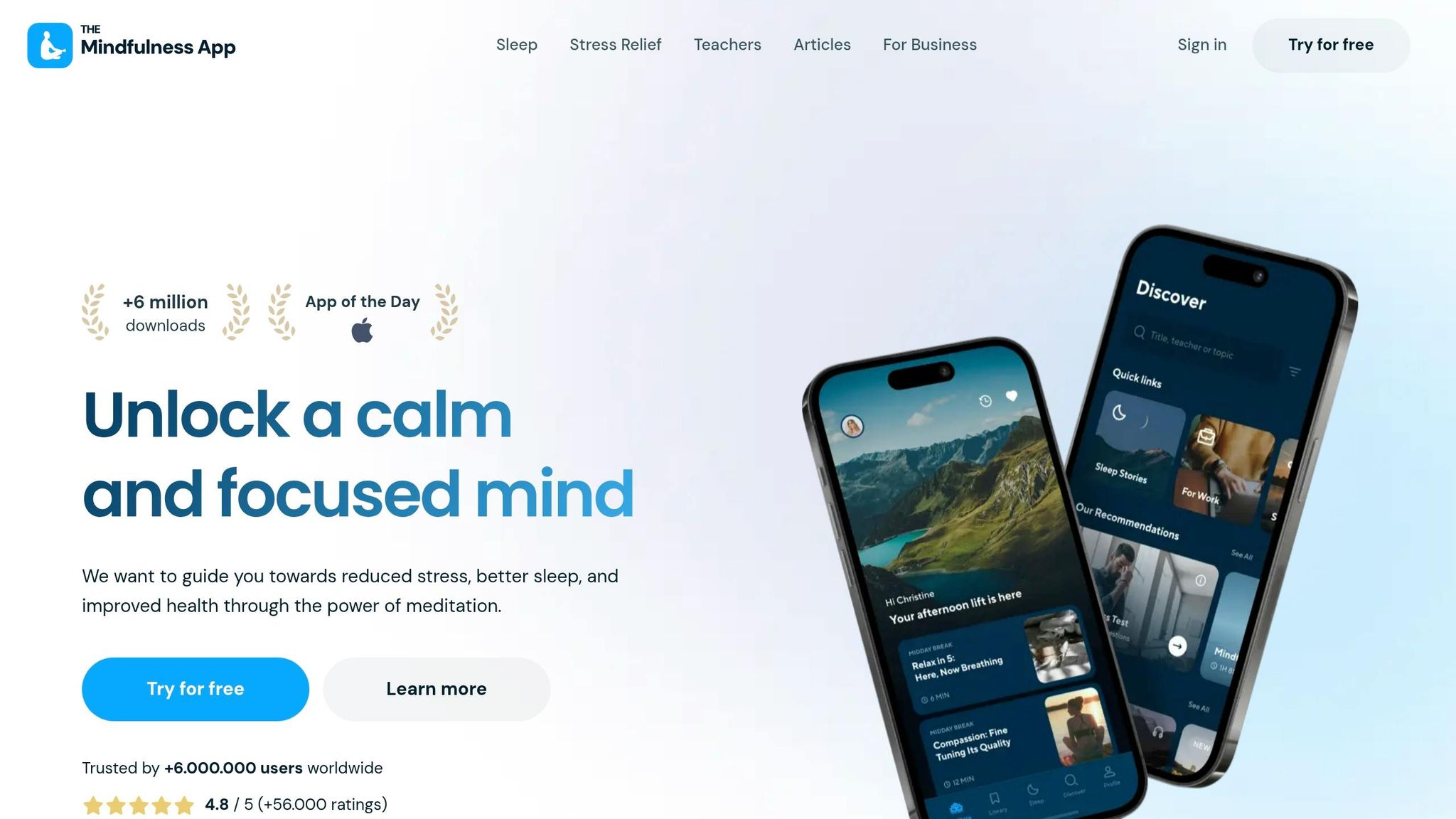
The Mindfulness App offers guided meditation sessions with voice prompts, making it easy to dive into practices like seated breath awareness, body scans, or mantra meditation. No need to plan ahead - just hit play and begin. With over 500 tracks available in 12 languages, you can tailor your experience to match your skill level and preferences, ensuring a session that feels just right for you.
Fits into a Busy Morning Routine
No time for a long meditation? No problem. The app provides short, focused sessions ranging from 2 to 10 minutes, perfect for fitting into even the busiest mornings. Plus, it syncs with Apple Health and Apple Watch, so you can effortlessly track your meditation sessions as part of your overall wellness goals.
Encourages Consistency
Building a habit takes time, and The Mindfulness App makes it easier with customizable reminders and habit-tracking tools. These features let you monitor your progress and stay motivated. Research suggests that consistent routines can form within 21 to 66 days, so pairing your meditation with an existing habit - like brushing your teeth or waiting for your coffee - can help make mindfulness a natural part of your day.
Promotes Stress Reduction and Mental Clarity
Regular use of the app can help lower stress by reducing activity in the amygdala while enhancing regulation by the prefrontal cortex. Studies show that just eight weeks of daily mindfulness practice can lead to noticeable improvements in attention and emotional stability. This means you’re not only enjoying a calmer mind in the moment but also strengthening your ability to handle stress over time.
sbb-itb-bea8dce
2. 5-Minute Journal
Supports Mindfulness Practices
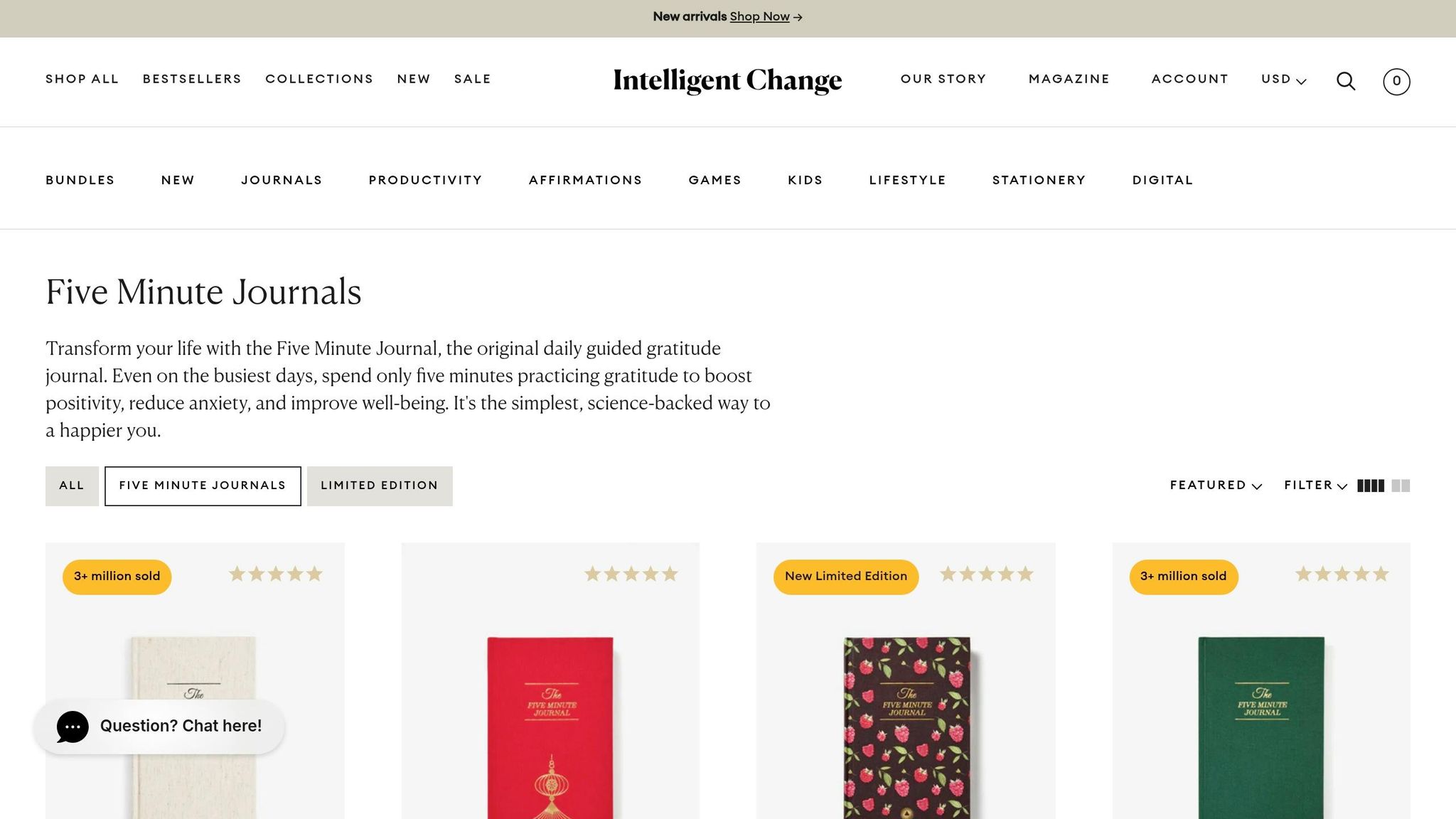
The 5-Minute Journal lays out a simple morning routine: start with an inspirational quote, follow with three gratitude prompts, a daily affirmation, and a focus question. This structure, based on positive psychology principles, serves as what Intelligent Change describes as a "mental insurance policy" against spiraling into negative thoughts. By steering your focus toward positive experiences, it helps set the tone for the day.
"The Five Minute Journal's guided and structured exercises will lead you down a path toward an enhanced version of the person you already are." - Intelligent Change
With over 3 million copies sold globally, the journal has made a difference for many, offering a science-backed method to shift perspectives. A Harvard Medical School study even noted that taking just five minutes to jot down gratitude entries can boost optimism scores by 10%. The journal’s format not only helps focus the mind but is also practical for those with busy schedules.
Fits into a Busy Morning Routine
The beauty of this journal is in its simplicity - it takes only five minutes to complete, making it manageable even for the busiest mornings. Its guided prompts eliminate the daunting task of staring at a blank page, providing clarity on what to write each day. You can choose between a physical journal (bundles start at $63.90) or a mobile app for iOS and Android, which has already been downloaded over 60,000 times.
To make the process even smoother, place the journal and a pen on your nightstand before bed. This small habit can help you stick to the routine.
Encourages Consistency
The journal’s five-minute daily commitment is designed to be sustainable over time. Instead of feeling like another chore, it becomes a small but meaningful habit. The physical version even comes with a 6-month money-back guarantee, showing confidence in its ability to help users cultivate a more positive and productive mindset.
"Tried them all. This one finally stuck." - Sabby M., Verified User
For those who find five minutes too long, starting with just one gratitude note is a great way to ease into the practice. Its simplicity ensures that incorporating it into your routine feels effortless.
Promotes Stress Reduction and Mental Clarity
By focusing on gratitude and affirmations, the journal helps lower cortisol levels and prepares your brain for clearer thinking and better decision-making. It’s like hitting the reset button for your mind.
"It's like a reset button for my mind. A few words each day, and I'm calmer, clearer, and more confident." - Laurie B., Verified User
Consistent mindfulness practice over eight weeks can improve both attention span and emotional stability, with benefits that build over time. The journal also includes evening prompts to reflect on highlights and lessons from the day, encouraging you to process growth and recognize blessings "in reverse".
How to Start a Mindful Morning Routine
3. Kitchen Timer or Meditation Timer
A dedicated timer can be a surprisingly effective tool for keeping your mindfulness practice on track. Whether it's a kitchen timer or a meditation-specific app, it ensures your sessions are structured and distraction-free.
Supports Mindfulness Practices
Using a meditation timer can help you stay focused by replacing harsh alarms with calming sounds like singing bowls, temple bells, or gongs. These gentle cues make it easier to remain in the moment and avoid interruptions during your practice. Many timers also include interval bells, which can remind you to check your posture or switch between breathing techniques without breaking your concentration. Apps like Timefully and StillMind go a step further by offering customizable session segments and tracking your progress, making it easier to refine your routine.
Fits into a Busy Morning Routine
Timers are particularly helpful for setting boundaries in your morning practice. Whether you're squeezing in a quick 2-minute breathing exercise or dedicating 10 minutes to a full meditation session, a timer ensures you stick to your plan. Research highlights that even short sessions - just 2 to 5 minutes - can significantly lower adrenaline levels and sharpen focus for the next one to two hours.
"Brief morning awareness reduces reactivity, 2 to 5 minutes of mindful breathing or a short body scan lowers the initial adrenaline spike and steadies attention for 60 to 120 minutes." - Pliability
Customizable presets, like a "Quick Breath" option for hectic mornings or a "Deep Practice" setting for weekends, eliminate decision fatigue and make it easier to stick to your goals. Plus, many timers work offline, so you don’t have to worry about Wi-Fi interruptions. This kind of structure helps integrate meditation into even the busiest schedules, paving the way for long-term consistency.
Encourages Consistency
Digital timers often come with features like streak tracking, session history, and cumulative meditation time, which can motivate you to stay consistent. For example, the Miracle Morning Routine App has a stellar 4.9/5 rating from over 4,900 reviews, thanks in part to its visual progress trackers. By the third week of regular practice, most people find it easier to make meditation a habit.
"The app that helps you actually sit down and meditate consistently is the right choice, even if it has fewer features than competitors." - StillMind
If you find yourself missing sessions, try shortening them rather than skipping altogether. This approach reinforces your routine and keeps you moving forward, even on challenging days.
Promotes Stress Reduction and Mental Clarity
Meditation has measurable benefits for mental health. A 2018 study revealed that meditating for just 13 minutes daily over eight weeks can enhance attention, memory, and emotional regulation - even for beginners. Morning meditation, in particular, sets a positive tone for the day, with exercisers 60% more likely to experience heightened focus and meditators 20% more likely to maintain a good mood throughout the day.
"Morning meditation lays a foundation of calmness and balance for the day ahead. It helps in centering the mind, managing stress, and enhancing overall emotional well-being." - Aine Rock, Certified Meditation Instructor
For those looking to explore options, there are plenty of free and accessible tools. Insight Timer offers over 120,000 guided meditations alongside its timer. Plum Village provides recorded bells from Thich Nhat Hanh's monastery for a more traditional experience. StillMind also offers a free timer, with optional AI features available for $9.99/month. These resources make it easier than ever to find a timer that fits your needs and supports your mindfulness journey.
4. Breathwork Techniques
Breathwork is a simple yet powerful practice that focuses solely on your breathing. It acts as a "reset button" for the brain, interrupting habitual thought patterns and helping your prefrontal cortex refocus on what matters most.
Supports Mindfulness Practices
Intentional breathing brings your attention to the present moment, transforming everyday actions into opportunities for mindfulness. While meditation can sometimes feel abstract, breathwork works directly on your body by engaging the parasympathetic nervous system. In fact, just 16 seconds of controlled breathing can trigger noticeable physiological changes. This makes it especially practical for busy mornings.
Techniques like Box Breathing (inhale for 4 seconds, hold for 4 seconds, exhale for 4 seconds, and hold for 4 seconds) help balance your nervous system. This method is even used by Navy SEALs to maintain calm under pressure. Another option is the 4-7-8 Technique (inhale for 4 seconds, hold for 7 seconds, and exhale for 8 seconds), which is known to lower heart rates and promote relaxation. These structured breathing patterns are easy to incorporate into your morning routine, offering both mental and physical benefits.
Fits into a Busy Morning Routine
With most Americans dedicating only 5 to 30 minutes to their morning routines, breathwork is a flexible practice that fits into even the busiest schedules. For instance, you can try "bed meditation" by taking five deep breaths before you even get out of bed - no need for special equipment or perfect posture. Another quick option is the "60-Second Connection": place one hand on your heart, the other on your belly, and take five slow breaths before starting your day.
"Think of the morning as a loading dock, not a battlefield; a two‑minute inspection prevents damaged goods from being sent out. That inspection is awareness, and it protects everything that follows." - Pliability
These small practices are easy to integrate into your morning, helping set a calm and mindful tone for the day ahead.
Encourages Consistency
Building a daily mindfulness practice through breathwork is easier when you tie it to existing routines. This method, known as habit stacking, can increase adherence by 70%. For example, you might link your breathwork practice to everyday cues like your feet touching the floor in the morning or sitting on the edge of your bed. A simple two-minute "anchor breath" can help solidify the habit, often becoming second nature by the third week. And if you're short on time, scaling down to a single 16-second cycle of Box Breathing can still activate your parasympathetic system and keep your routine intact.
Promotes Stress Reduction and Mental Clarity
Morning breathwork can significantly reduce the adrenaline surge many people experience upon waking. It also sharpens focus for up to two hours afterward. Research highlights that those who practice mindful morning rituals enjoy 31% better focus throughout the day and are 20% more likely to maintain a positive mood. Even brief sessions can lower stress reactivity by as much as 40% later in the day. Over time, regular practice strengthens neural pathways, making it easier to stay calm during stressful situations. This improves vagal tone and promotes a more consistent heart rhythm.
"Your morning attention is particularly valuable - it's fresh, it's high quality, and it sets patterns for the day. By claiming even a few minutes of this attention for yourself before offering it to others, you're making a statement about your priorities." - Respiro
Incorporating breathwork into your morning is like using a meditation timer or keeping a gratitude journal - it’s another tool to ground yourself and set a positive tone for the day.
5. Gratitude Notebook
Supports Mindfulness Practices
A gratitude notebook is a simple yet powerful way to create a calm and mindful start to your day. Beyond just listing things you appreciate, this practice engages parts of your brain responsible for emotional regulation, steering your morning energy toward focus and calm instead of stress and rush.
Journaling helps interrupt the autopilot mode that occupies nearly half of our waking hours. By quieting mental noise, gratitude journaling frees up mental resources, improving decision-making and reducing scattered thoughts. Research backs this up: mindful morning routines can improve focus by 31% and significantly lower anxiety levels. Like other tools for mindfulness, a gratitude notebook offers immediate benefits that can set the tone for your entire day.
"Morning gratitude uses that window [the early minutes of the day] to your advantage. By taking a moment to acknowledge something meaningful, you create a buffer between yourself and the rush of the day." - Meredith Rosenbloom, VP of Marketing, The Mind Company
Fits into a Busy Morning Routine
Even a quick 1–3 minute gratitude practice can make a difference. Pair it with an existing habit, like brewing your coffee or brushing your teeth, to increase the likelihood of sticking with it.
To make this practice easier, keep a small notebook by your bed to jot down thoughts as soon as you wake up, before distractions take over. If you're unsure where to start, begin with basic, stable facts like "a warm bed" or "a sunny morning." Over time, this can evolve into more meaningful reflections. Adding a note about why each item matters can deepen its impact.
Encourages Consistency
When it comes to gratitude journaling, consistency is key. A brief daily practice, even just a minute long, is more effective for rewiring your brain than occasional, longer sessions. To keep the habit engaging, avoid repeating the same entries every day. Instead, mix things up to maintain freshness and amplify the neurological benefits.
Many people find physical notebooks to be calming and meditative. If you want to deepen this stillness, following a morning meditation routine can further ground your energy. If you prefer digital tools, apps like The Five Minute Journal ($34.99/year) or Stoic ($39.99/year) offer guided prompts to make the process easier. Apple Journal, available for free on iOS, adds smart suggestions to help you get started.
Promotes Stress Reduction and Mental Clarity
Using a gratitude notebook activates your parasympathetic nervous system, which helps your body relax and recover. It also lowers cortisol, the stress hormone, and boosts mood-enhancing neurotransmitters like dopamine and serotonin.
"Expressing gratitude can positively change your brain. It boosts dopamine and serotonin, the neurotransmitters in the brain that improve your mood immediately." - Kristin Francis, MD, Psychiatrist, Huntsman Mental Health Institute
Dedicating just 15 minutes a day to gratitude for five days a week over six weeks can lead to noticeable improvements in mental wellness and a more balanced perspective. This practice helps counteract the brain's natural tendency to focus on negativity, keeping your thoughts anchored in the present rather than dwelling on the past or worrying about the future.
6. Guided Audio Meditations
Supports Mindfulness Practices
Guided audio meditations offer step-by-step instructions and simple focus points, helping you stay present - especially when you're still shaking off sleep. Instead of immediately reaching for your phone or diving into distractions, these sessions provide a smooth, mindful transition from rest to wakefulness .
According to research in the journal Mindfulness, starting your day with guided meditation can boost focus and reduce emotional reactivity when facing challenges later on. Many of these meditations are tailored to tackle common morning hurdles like anxiety, sluggishness, or lack of motivation. Whether you’re still lying in bed or sipping your first cup of coffee, these sessions fit seamlessly into those quiet early moments.
Fits into a Busy Morning Routine
Even short sessions - just 2 to 5 minutes - can make a noticeable difference without eating into your morning routine. Apps like The Mindfulness App provide access to over 500 guided tracks in 12 languages, allowing you to pick the perfect session length for your schedule. Starting small is key: a consistent 5-minute meditation can often have a greater impact than sporadic longer ones.
"A simple 5-minute meditation done regularly is infinitely more valuable than a complex routine you only manage occasionally." - Amber Murphy, Author
Encourages Consistency
These brief, guided sessions naturally blend mindfulness into your daily schedule. Many apps include helpful features like streak tracking and progress reminders to keep you on track without adding stress. Pairing meditation with an existing habit - like waiting for your coffee to brew - can increase your chances of sticking with it by up to 70%.
Promotes Stress Reduction and Mental Clarity
Practicing guided meditation regularly not only improves focus but also activates the parasympathetic nervous system, which helps lower cortisol levels almost immediately . Over time, this can reduce stress reactivity by up to 40% in high-pressure situations. Considering that autopilot behavior dominates nearly half of our waking hours, a morning meditation acts as a "reset button", grounding you in the present and setting the stage for a calmer, more resilient day.
7. Intention-Setting Prompts
Supports Mindfulness Practices
Intention-setting is a simple yet effective way to enhance your mindful morning routine. By focusing on your internal state rather than a to-do list, it helps you shift gears mentally and avoid the dreaded blank-page paralysis. These prompts encourage you to craft short, meaningful statements like, "I will approach challenges with curiosity" or "I will respond, not react".
This practice does more than just set the tone for your day - it actively engages neural pathways that promote resilience. Acting as a mental reset button, a well-chosen prompt interrupts automatic thought patterns and helps your brain refocus on what truly matters. It works beautifully alongside other quick mindfulness tools like gratitude journals or guided meditations, giving you a solid foundation for the day ahead.
Fits into a Busy Morning Routine
If your mornings are packed, don’t worry - this practice fits right in. Studies show most people in the U.S. have between 5 and 30 minutes of free time in the morning. Intention-setting is quick, requiring just 1 to 3 minutes to complete, making it ideal for even the busiest schedules.
To make it stick, try pairing it with an existing habit, like your morning coffee or brushing your teeth. On particularly challenging mornings, use an "if-then" strategy: If you’re feeling drained and your energy is low, then simplify by writing down just one intention sentence instead of a full journal entry.
Encourages Consistency
Making intention-setting a daily habit can help you break out of autopilot mode, which accounts for nearly half of our waking hours. By regularly grounding yourself in a mindful intention, you create a small but powerful shift in how you approach your day.
This practice isn’t just about mindfulness - it’s also about productivity. Research suggests that 80% of people with a consistent morning routine feel they get more done throughout the day. A single intention can serve as a steady anchor, helping you navigate your day with clarity and calm.
Comparison Table
Here’s a quick look at the subscription options designed to help you build a mindful morning routine.
You can choose between the Free Trial or the Premium Plan, depending on how committed you are to incorporating mindfulness into your daily life. Both options grant access to a rich library of over 500 meditations, sleep stories, and courses available in 12 languages. The main difference lies in how long you can enjoy these features.
With the Free Trial, you’ll get 14 days of full premium access. This includes expert guidance from certified meditation teachers, calming nature sounds to enhance your experience, and offline mode so you can practice without interruptions - even when you’re on the go.
The Premium Plan offers a subscription-based model at $9.99 per month or $79.99 per year. It ensures unlimited access to the app’s full library and features. As Sara from Sweden shared:
"The Mindfulness App is the best. I sleep much better after meditating in the evening and feel so much more rested in the morning!"
| Feature | Free Trial (14 Days) | Premium Plan (Subscription) |
|---|---|---|
| Price | $0 | $9.99/mo or $79.99/yr |
| Description | Full-access trial to explore all features | Unlimited access to the entire library |
| Features | Includes: 500+ meditations, sleep stories, courses, offline mode, 12 languages, nature sounds | Same as Free Trial |
| Limitations | Access ends after 14 days | Requires an active subscription |
Conclusion
Incorporating mindfulness tools into your morning routine can set a positive tone for the rest of your day. Studies reveal that those who engage in mindful morning rituals experience a 31% improvement in focus and reduced anxiety throughout the day. Additionally, mindful practices have been shown to lower stress reactivity by up to 40% in high-pressure situations.
The takeaway? Starting your day mindfully can make a noticeable difference. The trick is to find mindfulness practices that fit your lifestyle. As Amber Murphy from Declutter The Mind explains:
"Consistency matters more than perfection. A simple 5-minute meditation done regularly is infinitely more valuable than a complex routine you only manage occasionally."
Begin with just one mindfulness tool - whether it’s The Mindfulness App, a gratitude journal, or simple breathwork - and let it shape your routine.
FAQs
What’s the easiest mindful morning routine to start with?
Starting your day with mindfulness doesn't have to be complicated or time-consuming. In fact, a few short and simple practices - lasting just 2 to 10 minutes - can make a big difference. Here are a few ideas to set a calmer, more intentional tone for your morning:
- Mindful Breathing: Spend a couple of minutes focusing on your breath. Inhale deeply, exhale slowly, and let your mind settle.
- Gentle Movement: Try light stretches or yoga poses to wake up your body and ease into the day.
- Quick Body Scan: Close your eyes and mentally check in with each part of your body, noticing any tension or sensations.
One key tip: Resist the urge to grab your phone as soon as you wake up. Instead, dedicate these moments to your mindfulness practice. It’s a simple way to reduce stress and start your day on the right foot.
How do I stay consistent when my mornings are unpredictable?
To keep your morning routine on track, even when things get chaotic, stick to easy, adaptable habits. Think about activities like mindful breathing, light stretching, or journaling - these are quick and can fit into almost any schedule. The goal is to be consistent, but don’t be afraid to tweak your routine when needed. Flexibility helps you avoid unnecessary stress. Most importantly, be kind to yourself while sticking to practices that promote mindfulness and a sense of well-being.
Which tool should I use if I only have 2 minutes?
For a quick mental reset, consider using a one-minute meditation tool. In just 60 seconds, it can help clear your mind and refocus, making it an ideal option even when you only have a minute or two to spare.