

Neurofeedback is transforming meditation by offering real-time insights into your brain activity, helping you focus better and track your progress. By using EEG devices to monitor brain signals, neurofeedback provides immediate feedback through sounds or visuals, guiding you to achieve calm and concentration more effectively. Here’s why it matters:
- Real-Time Feedback: Know instantly when your mind wanders and bring it back to focus.
- Improved Focus & Relaxation: Targets brain areas like the PCC and DLPFC to reduce distractions and enhance mindfulness.
- Personalized Training: Adapts to your brain’s patterns for tailored meditation sessions.
- Measurable Progress: Track metrics like attention and stress to see real improvements.
Whether you’re a beginner or experienced meditator, neurofeedback bridges the gap between subjective experiences and measurable results, making meditation more effective and rewarding.
Benefits of Using Neurofeedback in Meditation Programs
Improved Focus and Relaxation
Neurofeedback offers real-time feedback that helps you notice when your mind starts to wander. It targets areas like the posterior cingulate cortex (PCC) and dorsolateral prefrontal cortex (DLPFC) - regions tied to attention control and mind-wandering. By improving connectivity between these areas, neurofeedback can enhance focus and mindfulness. For example, a 2024 study using 7-T fMRI neurofeedback with 40 beginner meditators revealed a notable reduction in connectivity between these regions (effect size = 0.59). This change was linked to greater mindful awareness and less emotional distress (effect size = 0.40, correlation = 0.71).
This kind of targeted feedback lays the groundwork for meditation sessions tailored to your needs.
Customized Meditation Sessions
One of neurofeedback's standout features is its ability to adapt to your brain’s unique patterns. By focusing on specific brainwave frequencies, you can train for goals like heightened awareness (using gamma waves) or improved concentration. Advanced platforms take this a step further by using your biometric data to design personalized programs, often lasting 8 to 12 weeks. These programs evolve as your mental skills grow, introducing new challenges along the way. Paola Telfer, Founder of Sens.ai, explains:
Sens.ai can quantify, personalize and accelerate the benefits of your meditation practice... taking the wondering out of meditation: Am I meditating correctly?
This customization not only enhances your experience but also provides clear benchmarks for tracking your progress.
Measurable Progress Tracking
Neurofeedback doesn’t just help you meditate - it shows you how well you’re doing. By collecting data on your attention levels and stress, it offers clear metrics to measure your progress. For instance, a crossover trial led by Hugh Hunkin at the University of Adelaide studied 68 adults using a Muse EEG headband. Participants experienced a 15% boost in state mindfulness and reduced mind-wandering (effect size = -0.22) when auditory neurofeedback was active compared to silent meditation. These measurable results make it easier to stay motivated and fine-tune your practice over time.
sbb-itb-bea8dce
How to Add Neurofeedback to Your Meditation Routine
Choosing a Neurofeedback Device
When picking a neurofeedback device, it’s important to match it with your meditation goals. If you’re looking for something to support relaxation or short-term focus, consumer-grade headbands like Muse or Mendi are solid options. For more advanced needs, such as long-term nervous system regulation, professional systems like NeurOptimal may be a better fit. Most consumer devices rely on EEG technology to track brainwave activity, while others, like Mendi, use fNIRS to monitor blood flow in the prefrontal cortex.
For beginners, devices with dry sensors and automated calibration are the easiest to use. Consumer-grade headbands typically start at around $299, making them accessible for regular practice. Licensed Psychotherapist Natalie Baker emphasizes the importance of finding a system that suits your brain’s specific needs:
The most effective system is the one that matches the complexity of what your brain is navigating.
Also, look for devices with Bluetooth capability for a smooth wireless experience. Many users report noticeable improvements in mood, sleep, and focus after just a few weeks of practicing three to five sessions per week.
Once you’ve chosen your device, the next step is connecting it to your meditation app for a seamless experience.
Connecting Neurofeedback With Meditation Apps
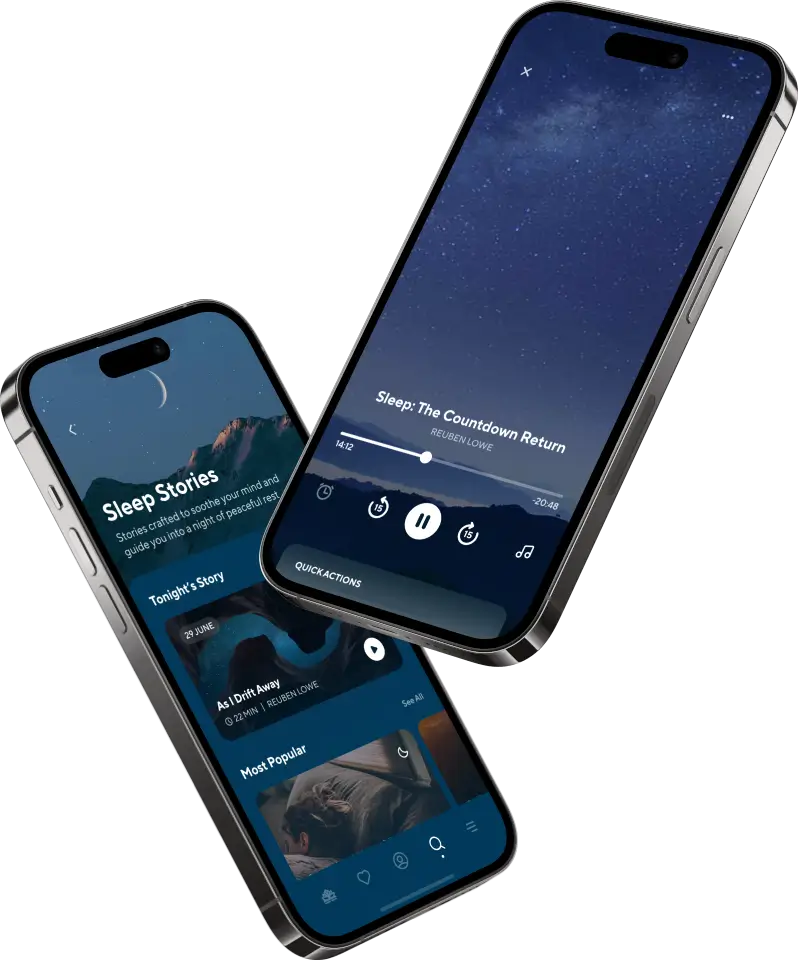
To integrate neurofeedback into your routine, connect your device to your smartphone or tablet using Bluetooth. Apps like The Mindfulness App, which offers over 500 guided meditations and mindfulness courses, can complement your practice by enhancing relaxation and concentration. These apps often provide feedback in different forms, such as:
- Auditory feedback: Sounds, like wind, that change in intensity depending on your level of distraction.
- Visual feedback: Progress bars or scores that help track your focus during sessions.
For more detailed instructions on preparing your device, refer to the section on setup and calibration.
Setting Up and Calibrating Your Device
Proper setup and calibration are essential to ensure accurate data during your meditation sessions. Here’s how to get started:
- Position the sensors correctly: For devices like the Muse headband, place the band across the middle of your forehead, ensuring the sensors rest snugly just behind your ears. Proper contact with your skin is key for accurate readings.
- Calibrate before each session: Start the calibration process to measure your brain’s activity baseline. This step typically takes 2.5 to 5 minutes and accounts for factors like stress, sleep, and time of day.
- Begin your session: Once calibrated, the device monitors your distraction patterns and provides gentle cues - like subtle sound changes or pauses in music - to help guide your focus back to the present moment.
With just 15 minutes of training three times a week, many people begin to see noticeable results.
Neurofeedback Training and Meditation - Do they give you the same results?
Best Practices for Neurofeedback-Based Meditation Programs

Neurofeedback Brainwave Protocols for Meditation: Alpha, Theta, and Gamma Comparison
Neurofeedback Protocols for Meditation
Different brainwave protocols align with specific meditation goals. For example, Alpha wave training (8–12 Hz) is ideal for achieving a state of relaxed alertness. This can help lower stress levels and ease symptoms of depression and generalized anxiety. It creates a balance between focused attention and a calm subconscious.
If you're aiming for deeper meditation, Theta wave training (4–8 Hz) is the way to go. It taps into the subconscious, fostering creativity and emotional understanding. Neurofeedback specialist Daniel Webster explains the Alpha-Theta protocol like this:
Alpha Theta neurofeedback training guides the brain through gentle oscillations between alpha and theta dominant states. The idea is that memories are accessed during theta dominance that can then be safely processed during alpha modulation.
This approach has shown impressive results, with 80% of participants experiencing reduced anxiety and renewed motivation.
For those seeking sharper focus and improved cognitive abilities, Gamma wave training (30–100 Hz) is a strong choice. It enhances working memory and supports higher-level thinking. A more advanced option is the PCC deactivation protocol, which targets the posterior cingulate cortex - a key part of the brain's default mode network. In October 2024, a study led by Saampras Ganesan at the University of Melbourne used 7 Tesla fMRI neurofeedback on 40 novice meditators. After just two days of training focused on the PCC, participants showed reduced connectivity between the PCC and the dorsolateral prefrontal cortex. This shift was linked to better emotional well-being and greater mindfulness during the following week of home practice.
| Brainwave Type | Frequency Range | Associated Mental State | Best For |
|---|---|---|---|
| Alpha | 8–12 Hz | Relaxed alertness, calmness | Stress reduction, light meditation |
| Theta | 4–8 Hz | Creativity, intuition, light sleep | Deep meditation, emotional insight |
| Gamma | 30–100 Hz | Higher cognition, memory | Heightened awareness, focus |
These protocols shape the structure of neurofeedback training sessions.
Session Duration and Frequency
The ideal session length and frequency depend on your goals and how your brain responds to training. Studies suggest that 25-minute sessions are effective for EEG-based alpha-theta training. High-precision fMRI protocols, on the other hand, often use 10-minute runs broken into 26-second meditation intervals.
Many programs kick off with two consecutive days of intensive training to jumpstart neural changes. These are often followed by shorter, maintenance-focused sessions. For instance, a study in June 2025 led by Hendrik-Jan De Vuyst at KU Leuven examined 30 participants using 25-minute EEG-neurofeedback sessions. Results showed increased alpha-theta brainwave activity across the scalp, which persisted even during resting states and correlated with improved mood in those with depression.
In daily practice, 5-minute self-guided meditations four times a week can help sustain progress. Adding 3-minute "mindfulness of breath" exercises throughout your day further enhances the effects. Natalie Baker, founder of Neurofeedback Training Co., underscores the importance of regularity:
Brain health, much like bodily health, depends on repeated exercise.
To maximize your results, pair your neurofeedback practice with a healthy diet, regular physical activity, and at least 7 hours of sleep each night.
Measuring Results and Advancing Your Practice
Tracking Progress With Metrics
While traditional meditation often relies on subjective self-assessments, neurofeedback introduces a way to track progress with objective data. Studies have shown how these measurable insights can highlight real improvements over time.
For example, a 4-week neurofeedback program conducted at Seoul National University Bundang Hospital involved 92 employees using the neuroNicle FX2 headset. This device tracked their Relaxation Index, which compares alpha waves to high beta waves. By the end of the program, participants using neurofeedback achieved a score of 0.43, while those meditating without feedback scored –0.11. Neurofeedback participants also reported lower levels of perceived stress.
To monitor your progress, you can use metrics like the Relaxation Index (higher values indicate deeper relaxation), the Concentration Index (a lower beta-to-theta ratio reflects sharper focus), and tasks such as the Breath Counting Task to measure attention control. Pair these metrics with standardized tools like the Perceived Stress Scale (PSS) or the State Mindfulness Scale (SMS), checking them before starting and at regular intervals, such as every four weeks.
Another study, published in September 2025, involved 40 beginner meditators using 7-Tesla fMRI neurofeedback targeting the posterior cingulate cortex. After just two days of training and one week of home practice, participants showed stronger brain decoupling (effect size of 0.59), which correlated with enhanced emotional well-being (correlation of 0.71). Neuroscientist David Creswell from Carnegie Mellon University highlights the value of such feedback:
People don't know if it's working for them... Getting some external feedback that your efforts are paying off could make the difference between quitting meditation and sticking with it.
These findings emphasize how neurofeedback can help refine your meditation practice, offering personalized insights that go beyond traditional methods.
Using Premium Features for Continued Growth
Once you’ve established a baseline using these objective metrics, premium tools can help you maintain and build on your progress. For instance, The Mindfulness App provides access to over 500 guided meditations and courses that can complement your neurofeedback practice. If you feel your progress slowing, experimenting with different meditation styles - like shifting from breath-focused exercises to body scans - can help you reengage.
Apps that incorporate Ecological Momentary Assessment (EMA) allow you to log mindful awareness immediately after each session, capturing real-time data on your progress. Consumer-grade devices also offer simplified metrics, such as scores for "Attention", "Cognitive Stress", and "Calm", based on your brainwave activity.
These tools enhance the insights you gain from neurofeedback, but it’s important to remember their purpose. As neuroscientist Amishi Jha from the University of Miami explains:
The goal is not to chase scores. The point is to bring the trained capacities into their daily activities.
Ultimately, the data serves as a guide to help you develop an intuitive understanding of meditative states. Over time, the aim is to transition away from external feedback and rely more on your own awareness as you deepen your practice.
Conclusion
Neurofeedback acts like a real-time mirror for your meditation practice, offering insights into your mental states that can be tough to track on your own. This technology helps you improve focus and learn how to let go of distractions more effectively.
Consistency is key. Research shows that practicing for as little as 7 minutes a day or completing 10 to 40 sessions lasting 30 to 60 minutes each can lead to noticeable progress. This blend of scientific data and meditation techniques highlights how brain science and mindfulness can work together.
Choosing the right tool matters. If you're looking for clinical-grade outcomes or need support for specific neurological conditions, professional clinics using fMRI or high-density EEG might be the way to go. These sessions typically cost between $50 and $150. For general wellness or building a meditation habit, consumer-grade EEG headbands can be a practical option. Always check the credentials of professionals through organizations like the Biofeedback Certification International Alliance.
It's important to remember that neurofeedback is a training tool - not something to rely on permanently. Use it to identify and familiarize yourself with the feeling of deep meditation, then gradually practice without the device to make those skills your own.
As Saampras Ganesan, a Postdoctoral Research Associate at the Laureate Institute for Brain Research, explains:
Teaching people to meditate with live feedback from their own brain can help them meditate more effectively on their own over time, with early benefits for self-awareness and mood.
Pairing technology with traditional mindfulness techniques can enhance your practice. Consider combining neurofeedback with methods like breath awareness or body scans. Tools like The Mindfulness App, which offers over 500 guided meditations, can complement your neurofeedback sessions and provide additional structure as you refine your skills. This approach equips you to meditate effectively, whether you're using technology or practicing independently.
FAQs
Is neurofeedback safe for everyone?
Neurofeedback is considered safe for the majority of people, but it’s not the right fit for everyone. Individuals with specific neurological or psychiatric conditions may need to approach it with caution. To ensure both safety and effectiveness, neurofeedback should always be conducted by trained professionals.
How long until I notice results from neurofeedback meditation?
Results from neurofeedback meditation tend to show up gradually, building over the course of multiple sessions. Instead of immediate effects, you’ll notice progress as your brain adapts and learns from the feedback it receives. Staying consistent and patient is essential to experience noticeable improvements.
What’s the best way to use neurofeedback with The Mindfulness App?
To integrate neurofeedback with The Mindfulness App, connect a compatible device, such as an EEG headset, to your meditation sessions. This setup allows you to monitor brainwave activity in real-time. Use the feedback to fine-tune your approach, aiming to boost brainwave patterns linked to relaxation, like alpha and theta waves. Consistent practice with these tools can help sharpen your focus, promote deeper relaxation, and support faster growth in your meditation practice.