

The STOP technique is a simple, four-step mindfulness tool designed to help you manage stress in the moment. It works by interrupting automatic reactions, calming your body, and guiding you to respond intentionally. Here's how it works:
- Stop: Pause what you're doing to break the stress cycle.
- Take a Breath: Focus on slow, deep breaths to relax your nervous system.
- Observe: Notice your physical sensations, emotions, and thoughts without judgment.
- Proceed Mindfully: Choose your next action with care and purpose.
This method, rooted in mindfulness practices, helps shift your brain from reactive to rational thinking. It only takes about a minute to practice and can be used in everyday situations like work stress, personal conflicts, or feeling overwhelmed. Regular use builds resilience and improves emotional regulation. Add it to your routine by practicing during low-stress moments and using reminders like notes or alarms.

STOP Technique: 4-Step Mindfulness Process for Stress Relief
Managing Stress | 💚 Relieve Stress with STOP Technique 😌| Mindfulness Meditation for Stress Relief
What Does STOP Stand For?
The STOP technique offers a practical way to pause and reset when stress starts to take over. It’s an easy-to-remember method that guides you through four steps: Stop, Take a Breath, Observe, and Proceed Mindfully. Each step helps you move from reactive habits to thoughtful actions.
Stop
This first step is all about hitting the brakes - both physically and mentally. Whether you're rushing through emails or juggling multiple tasks, taking a moment to pause interrupts the cycle of automatic reactions. It’s a chance to create a small pocket of calm in a stressful moment.
Take a Breath
Next, focus on your breathing. Take slow, deep breaths to center yourself. This simple act taps into your parasympathetic nervous system, which helps your body shift into a state of relaxation and ease.
Observe
Now, take stock of what’s happening inside you. Pay attention to physical sensations - like a clenched jaw or a racing heart - and notice your emotions without trying to change them. As Elisha Goldstein, Ph.D., puts it:
"When we drop into the present, we're more likely to gain perspective and see that we have the power to regulate our response to pressure."
Proceed Mindfully
Finally, decide your next step with care. Instead of reacting on impulse, ask yourself, "What’s the most important thing to focus on right now?" This pause allows you to choose an action that aligns with your goals and values.
How to Use the STOP Technique
The STOP technique is most effective when each step is applied with care and intention, especially in moments of stress. The difference between a quick attempt and a meaningful reset lies in understanding how to approach each step. Let’s break it down to see how you can make this method work in real time.
Step 1: Stop
Start by doing exactly what the name suggests - stop. Pause whatever you’re doing, whether it’s typing, talking, or scrolling on your phone. This brief interruption creates space to break the automatic stress response. To solidify the pause, silently remind yourself, “I’m shifting my focus now.”
Step 2: Take a Breath
Once you’ve paused, turn your attention to your breathing. Take slow, intentional breaths - inhaling through your nose and exhaling through your mouth. This simple act helps calm your nervous system, reducing stress hormones like cortisol and easing your body out of "fight-or-flight" mode. Techniques like box breathing (inhale for 4 seconds, hold for 4 seconds, exhale for 4 seconds, hold for 4 seconds) or 4-6 breathing (inhale for 4 seconds, exhale for 6 seconds) can add structure to this step. As mindfulness author Ryan Kane explains:
"The natural reaction to stress is to push harder until the external circumstances imposing stress are resolved. The only problem? This idea is a fallacy."
Step 3: Observe
With your breathing under control, shift your focus inward. Pay attention to what’s happening in your body - tight shoulders, a clenched jaw, or a racing heartbeat - and acknowledge your emotions without criticism. Research shows that naming your emotions can actually reduce activity in the brain’s fear circuitry, helping you feel calmer. To guide this step, use the ABCs of STOP: Awareness (notice what’s happening), Beauty (find a small positive detail), and Compassion (be kind to yourself). For extra grounding, press your feet into the floor or rest your hands on your thighs to create a sense of stability.
Step 4: Proceed Mindfully
Now that you’ve observed and grounded yourself, decide your next move with intention. Instead of reacting impulsively, ask yourself, “What’s the most helpful thing I can do right now?”. This could mean returning to your task with fresh focus, taking a quick walk, or tackling a small, manageable action instead of an overwhelming task. Rhonda Magee, Professor of Law at the University of San Francisco, describes this step as a way to:
"proceed with intentionality, taking the next step in your day from this place of strength, wisdom, and presence".
It’s helpful to keep a list of calming activities - like stretching, sipping water, or stepping outside - on hand for moments when stress strikes. For extra guidance, you might explore guided meditations on The Mindfulness App, which offers structured exercises to deepen this practice. Each step of the STOP technique turns automatic reactions into thoughtful actions, making it a powerful tool for managing stress and fostering personal growth.
sbb-itb-bea8dce
Benefits of the STOP Technique for Stress Relief
The STOP technique is a simple yet effective way to break the cycle of stress. When stress takes over, your brain’s amygdala triggers the fight-or-flight response, causing physical changes like higher blood pressure, a quickened pulse, and a narrowed focus. STOP introduces a brief pause, helping to shift your body from this reactive state to one of calm and clarity.
This technique doesn’t just help in the moment - it also strengthens emotional resilience over time. It’s a cornerstone of therapies like Mindfulness-Based Stress Reduction (MBSR), Cognitive Behavioral Therapy (CBT), and Dialectical Behavior Therapy (DBT). With consistent practice, STOP trains your mind to handle stressors with thoughtfulness instead of knee-jerk reactions. This builds the mental flexibility needed to navigate life’s challenges. Clinical psychologist Elisha Goldstein, Ph.D., puts it succinctly:
"Stress itself is not the problem. It's how we relate to stress."
One particularly impactful part of STOP is the "Observe" step. By identifying your feelings - saying, for example, "I feel tense" or "My chest is tight" - you can reduce activity in the brain's fear circuits. Parag Chitnis explains it well:
"Observation gives you distance from your emotions, helping you recognize them as signals and not commands".
This approach is crucial in a nation where two-thirds of Americans say they need help managing stress. Left unchecked, chronic stress can lead to serious issues like high blood pressure, insomnia, and a weakened immune system. The STOP technique offers a practical tool to replace reactive habits with thoughtful, intentional actions - especially in high-stakes moments. The table below highlights how mindful responses can transform everyday situations.
Mindful vs. Impulsive Responses
The STOP technique helps shift your reactions from impulsive to deliberate, as illustrated here:
| Situation | Impulsive Response | Mindful Response (STOP) |
|---|---|---|
| Work Deadlines | Racing thoughts, tight chest, and pushing harder despite diminishing returns. | Pausing to breathe, noticing tension, and breaking the task into smaller, manageable steps. |
| Personal Conflict | Snapping back with a sharp or defensive comment. | Taking a moment to collect your thoughts and replying with, "I hear you - can you elaborate?". |
| Unexpected Email | Immediate panic followed by an emotionally charged response. | Breathing deeply, noticing your reaction, and deciding whether to respond immediately or later. |
| High-Pressure Task | Feeling scattered and operating on autopilot. | Grounding yourself in the present moment to proceed with focus and clarity. |
The difference lies in the intentionality behind your actions. Impulsive reactions are driven by your automatic nervous system and often lead to regret or conflict. Mindful responses, guided by the STOP technique, allow you to pause, think, and act with clarity - helping you handle pressure more effectively in everyday life.
Using the STOP Technique in Daily Life
The STOP technique can fit seamlessly into your daily routine, no matter where you are. Start by practicing it in low-pressure moments, like while waiting for your coffee to brew or before stepping through your front door. These small, mindful pauses help build the habit, making it easier to rely on STOP during more stressful situations.
To make STOP a regular part of your day, set up simple reminders. Try sticking a note with "STOP" on your computer monitor, bathroom mirror, or car dashboard. You could also set alarms on your phone to prompt mindful pauses at specific times, like 10:00 AM, 2:00 PM, and 5:00 PM. Another option is to link the practice to daily habits, such as taking a moment before meals or during transitions between tasks.
This technique works in countless everyday situations. After a long meeting, use it to clear your mind. Take a mindful pause before responding to a tense email or while navigating your commute. Even during family time, STOP can help you stay calm when conversations heat up or patience wears thin. As Christiane Wolf, MD, PhD, explains:
"Compassion is a natural, caring response to suffering, big and small, in ourselves and in others".
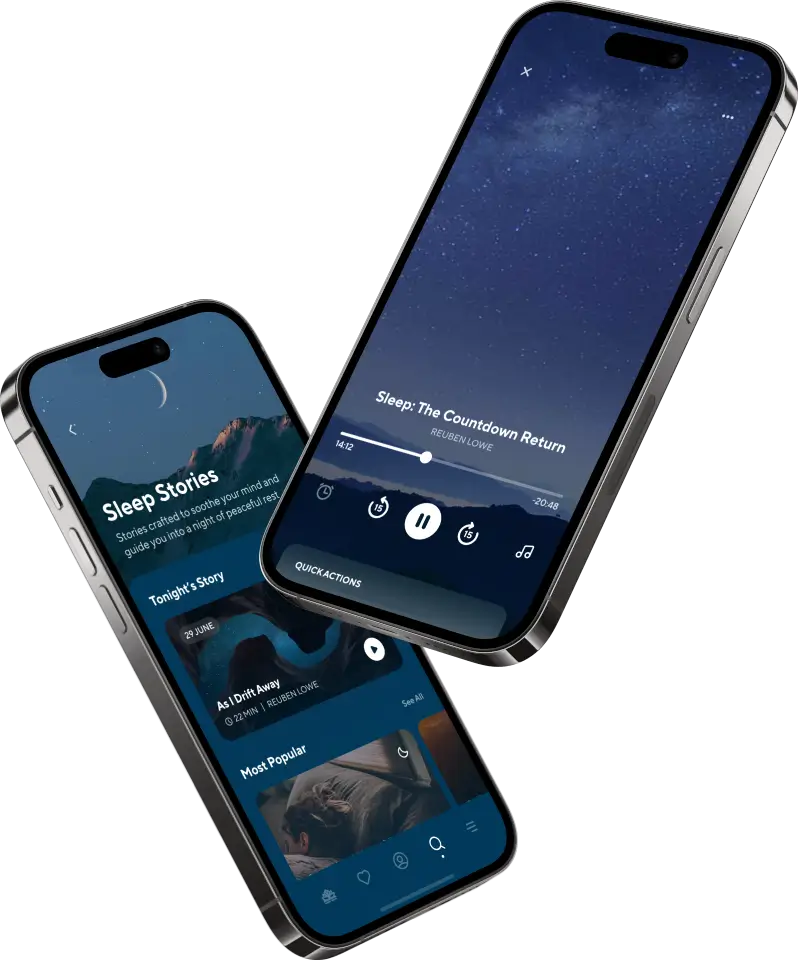
For those looking for extra guidance, The Mindfulness App can be a helpful resource. It offers over 2,000 guided meditations and more than 10 courses led by experienced teachers. The app also includes daily coaching and customizable reminders to help you integrate STOP into your lifestyle.
Jon Kabat-Zinn sums it up well:
"Practice mindfulness as if our very lives depended on it... because in a very real sense, they do".
And science backs this up. Research shows that even an 11-minute mindfulness session can significantly reduce stress-related behaviors. With STOP only taking a minute, it’s an easy yet powerful way to start managing stress effectively.
Conclusion
The STOP technique provides a straightforward way to manage stress in the moment. By pausing to breathe and observe, you create a mental pause that interrupts your automatic stress response. This shift helps move brain activity from the reactive amygdala to the more rational prefrontal cortex.
What makes STOP effective is its simplicity - you don’t need any special tools or lengthy practice sessions. Studies indicate that even an 11-minute mindfulness session can significantly reduce stress-related behaviors. This makes STOP an easy-to-use method for almost any situation, whether you're preparing for a tough conversation, stuck in traffic, or feeling overwhelmed.
To get the most out of STOP, regular practice is key. Start using it during low-stress moments to build the habit, so it becomes second nature when stress levels rise. As Christiane Wolf, MD, PhD, explains:
"The STOP acronym is one of the most well-known and cherished brief mindfulness practices to use during the day... you ground yourself with some conscious breaths, and then you proceed with more clarity and from a place of choice".
For those seeking additional guidance, The Mindfulness App offers over 2,000 guided meditations and more than 10 courses led by experienced instructors. Features like digital reminders and structured programs can help you transition from using STOP as a quick fix to making mindfulness an everyday habit. With consistent practice, STOP can help you build resilience and foster mindful responses to life’s challenges. Keep it simple, stay consistent, and let STOP reshape how you handle stress.
FAQs
When should I use the STOP technique?
The STOP technique is a quick and effective way to handle moments when stress, overwhelm, or intense emotions take over. It works by helping you pause and reset before reacting. Here's how it breaks down:
- S: Stop whatever you're doing. Just pause for a moment.
- T: Take a deep breath. This helps calm your nervous system and gives you a moment to center yourself.
- O: Observe what you're feeling - your emotions, thoughts, and even physical sensations. Be curious, not judgmental.
- P: Proceed with intention. Decide how you want to respond, rather than reacting impulsively.
This straightforward method creates a small but powerful gap between what you're feeling and how you act. That gap can make all the difference in handling tough situations with mindfulness and a clearer head.
How do I do STOP if I only have a few seconds?
In just a few moments, you can apply the STOP technique to regain focus:
- Stop whatever you're doing to create a moment of pause.
- Take a deep breath, allowing yourself to feel more grounded.
- Observe your thoughts, feelings, and physical sensations without judging them.
- Proceed with your next step deliberately and with a sense of calm.
This simple method can help you reset and find clarity when stress starts to creep in.
What if observing my feelings makes me more anxious?
If paying attention to your feelings seems to heighten your anxiety, it’s worth noting that mindfulness practices, like the STOP technique, are designed to help you pause and create a sense of calm - not to make things worse. This method involves four simple steps: Stop, Take a breath, Observe your emotions without judgment, and Proceed with intention.
If the anxiety lingers, you might find relief through grounding exercises or by simply stepping away for a moment. With practice, mindfulness can help you manage emotional reactions more effectively. And if you’re still struggling, consider reaching out to a mental health professional for tailored guidance.