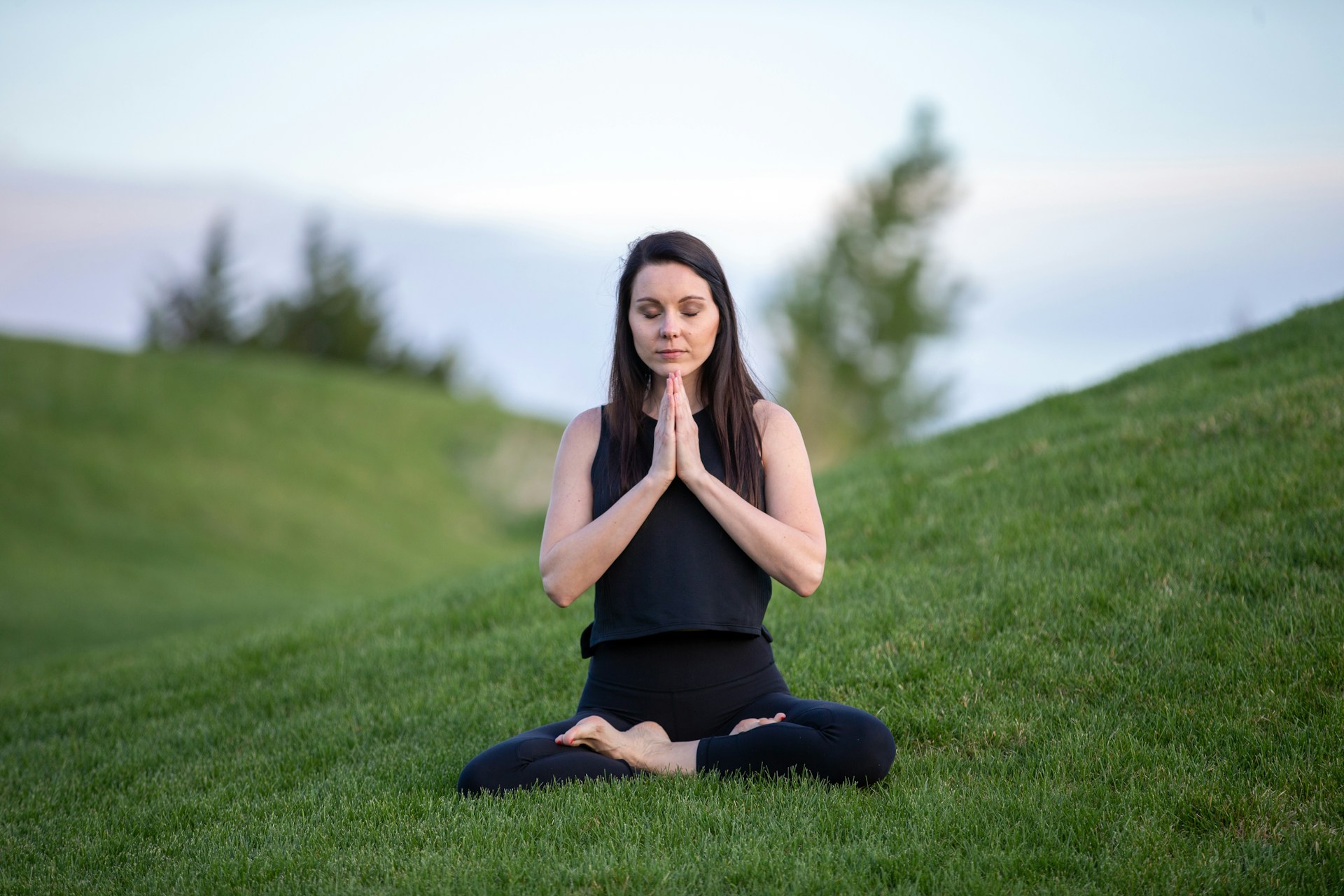

Gratitude meditation is a simple practice that focuses on appreciating the positive aspects of your life. Unlike traditional mindfulness techniques, it encourages you to reflect on specific people, experiences, or moments that bring joy and meaning. Research shows that this practice can reduce stress, improve mental health, and even enhance physical well-being by lowering heart rates and boosting sleep quality. Here's what you need to know:
- Benefits: Reduces anxiety, improves mood, strengthens relationships, and promotes better sleep.
- Who Can Practice: Suitable for everyone - whether you're new to meditation or managing challenges like stress or chronic illness.
- How to Start: Dedicate 5–10 minutes daily. Focus on your breath, reflect on moments of gratitude, and visualize those who’ve supported you.
- Tips for Consistency: Tie the practice to daily habits, use guided meditation apps, or start with small moments of gratitude during everyday tasks.
Gratitude meditation is easy to integrate into your routine and doesn’t require special tools or settings. Even short, consistent sessions can make a noticeable difference in your overall well-being.
Guided Meditation for Gratitude: A Gentle Practice to Start or End your Day
Preparing for Gratitude Meditation
Getting ready for gratitude meditation involves setting up your environment and finding a routine that works for you. A little preparation can go a long way in creating a consistent and meaningful practice.
Setting Up Your Space
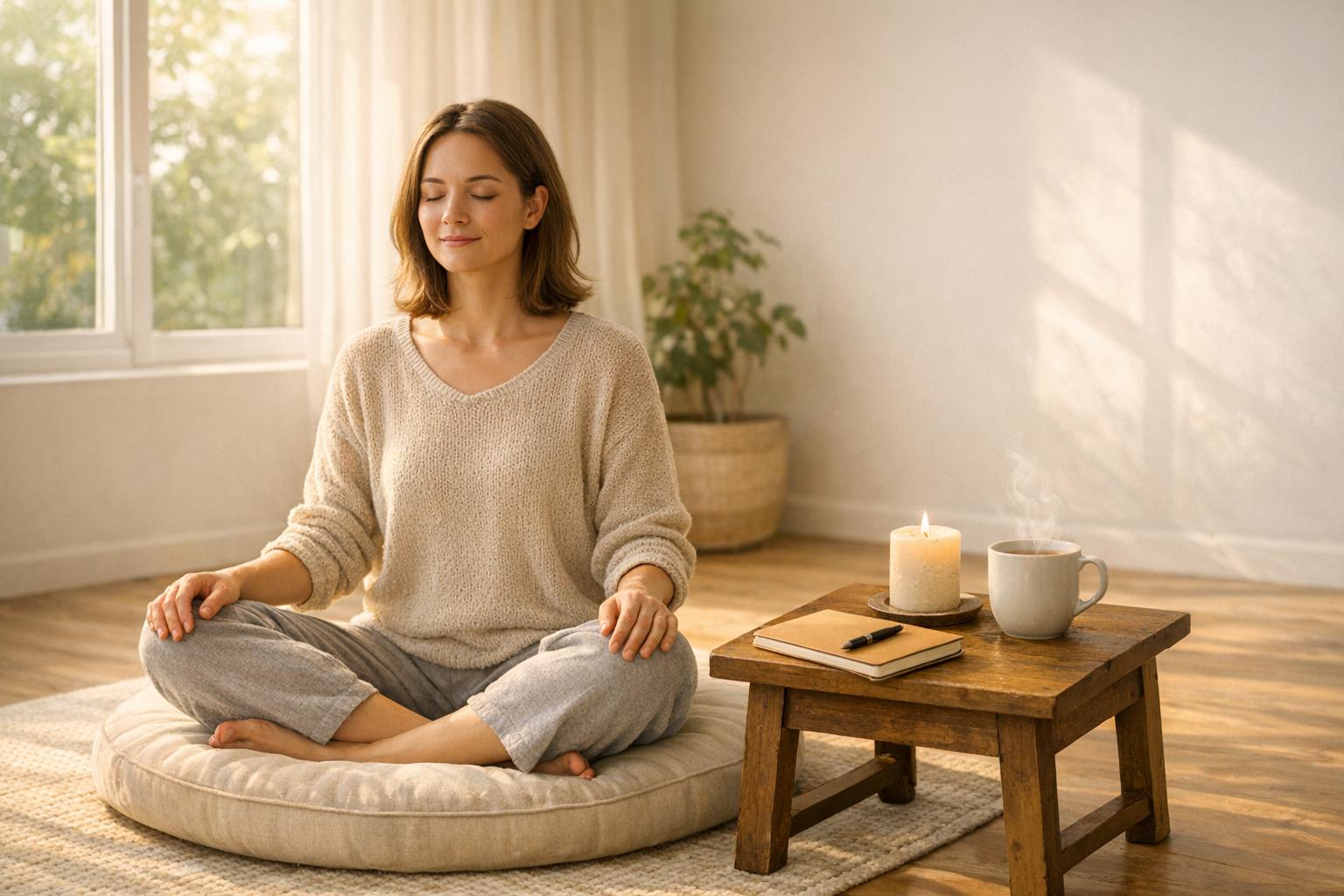
Choose a spot where you feel comfortable and relaxed. It might be a cozy corner of your bedroom, your favorite chair in the living room, or even a quiet spot outdoors. Absolute silence isn’t necessary - what matters most is that you feel at ease.
Make sure you’re physically comfortable. Use cushions or props if needed, and wear loose clothing to support relaxed breathing. Keeping a sweater or shawl nearby can help you stay cozy during your practice.
Consider adding a personal touch to your space with visual reminders, like a favorite photo or a small object. These "gratitude triggers" can help you stay mindful and encourage regular practice.
Choosing the Right Time
Morning sessions can help you stay consistent. Andy Puddicombe, co-founder of Headspace, emphasizes the importance of meditating early:
Regardless of any factors, I would make [morning meditation] a regular fixture in your calendar. Once the afternoon comes along and it gets hectic, any number of things can come along and bump it off the to-do list.
Starting your day with gratitude can set a positive tone and help you approach challenges with a calmer mindset.
Evening sessions offer their own rewards. Reflecting on your day before bed can help you unwind and improve your sleep. Denise Everheart, a SKY Breath Meditation teacher, explains:
Counting [blessings] right before sleep can improve the quality of your sleep and maybe even help you to fall asleep sooner rather than later.
Gratitude meditation can also fit into those "in-between" moments during your day - whether it’s your commute, waiting in line, or making your morning coffee. The key is consistency over length; even five minutes a day can lead to noticeable improvements in mood and stress levels.
If you struggle to find time, digital tools can help keep you on track.
Using Tools Like The Mindfulness App

The Mindfulness App offers a variety of guided meditations, ranging from 5 to 20 minutes, as well as multi-day courses to build a gratitude habit. These guided sessions can help you shift from simply understanding gratitude to actually feeling it on a deeper level.
App notifications can act as gentle reminders to practice. Many apps also include journaling features, allowing you to jot down reflections after meditating. This helps reinforce positive thoughts and makes the practice more impactful. Additionally, you can explore various gratitude anchors - like focusing on sensory experiences (sight, sound, smell) or appreciating specific people in your life - through the app’s library.
Step-by-Step Guide to Gratitude Meditation

5-Step Gratitude Meditation Guide
Once your space is ready and your mind is at ease, you’re all set to begin your gratitude meditation. This practice usually takes about 10 minutes, but feel free to adjust the duration to suit your schedule. Each step flows naturally into the next, creating a seamless and meaningful experience.
Step 1: Focus on Your Breath
Start with 3–5 slow, deep breaths to center yourself. Breathe in deeply, letting your belly expand as you inhale. Hold the breath for a moment, then exhale slowly through your mouth or nose, noticing your belly contract.
Dr. Kathi Kemper, Executive Director of Ohio State University College of Medicine's Center for Integrative Health and Wellness, highlights the importance of this step:
Take a slow, deep breath to bring yourself to the present moment and begin the process of feeling more peaceful and centered.
Pay attention to the sensation of your breath while releasing tension in your shoulders, jaw, or neck. Mindfulness teacher Elaine Smookler explains:
Use the breath to anchor yourself in the present moment. Our minds are always so easily pulled to busyness.
Once you feel grounded, gently shift your focus to a full-body scan.
Step 2: Perform a Body Scan
Guide your awareness through your body, starting at the top of your head and moving downward. Notice any areas of tightness or discomfort as you scan through your face, neck, shoulders, arms, chest, belly, hips, legs, and feet. There’s no need to fix anything - simply observe what’s there.
If you come across areas of tension, imagine directing your breath toward them to encourage relaxation. This practice helps you let go of external distractions and brings your focus fully into the present.
Step 3: Reflect on Things You Are Grateful For
Think of specific moments from your day that brought you gratitude. Instead of general thoughts like "I’m grateful for my family", focus on detailed instances. For example, "I’m grateful my partner made me coffee this morning" or "I’m thankful for the kind stranger who held the door for me."
Engage your five senses to deepen this reflection. Recall a vivid image, a comforting scent, a pleasant sound, or even the texture of something that brought you joy. These sensory details often hold the most emotional weight. If you’re struggling to find gratitude, consider everyday blessings like clean water, the warmth of the sun, or the steady rhythm of your breath.
Step 4: Visualize and Feel Gratitude
Picture someone who has shown you kindness. Hold their image in your mind and heart, then mentally offer them thanks. If you’re new to this practice, start with someone you have a simple, positive relationship with - like a close friend or even a pet.
Notice how your body responds as you hold this image. You might feel a gentle warmth in your chest or a sense of lightness in your shoulders. Placing your hands over your heart or giving yourself a soft hug can help you stay connected to this feeling. Silently repeat, "I am thankful for this moment", as you breathe deeply and let the sensation of gratitude settle in.
Robert A. Emmons, Ph.D., a leading researcher on gratitude, points out:
Becoming aware of one's blessings actually leads to having more to be grateful about.
When you feel ready, gently transition back to the present.
Step 5: Return to the Present
Shift your attention back to your breath. Take a few deep breaths, noticing the natural rhythm. If your eyes are closed, slowly open them.
Before standing up, take a moment to stretch and ground yourself. Carry the sense of appreciation you’ve cultivated into the rest of your day - whether you’re heading to work, preparing a meal, or simply taking a quiet moment for yourself. The warmth and calmness from your meditation can ripple into your interactions and experiences long after you’ve finished.
sbb-itb-bea8dce
Overcoming Common Challenges in Gratitude Meditation
Incorporating gratitude meditation into your daily life can be incredibly rewarding, but it's not without its hurdles. These challenges are normal and can often be addressed with small tweaks to your approach. Gratitude meditation is a gradual journey toward cultivating a more positive outlook.
Managing a Wandering Mind
It’s natural for your mind to drift during meditation. Thoughts about your to-do list, worries, or random distractions may creep in. When this happens, simply notice the thought without judgment, and gently bring your focus back to the person or thing you’re feeling grateful for. If you find your mind particularly restless, try anchoring your attention to your breath or repeating a short gratitude phrase for about 15 seconds. This small pause can help train your brain to focus and deepen your sense of gratitude. Instead of rushing through a mental list of things you're thankful for, take time to fully experience the warmth and emotion that gratitude brings.
Struggling to Find Gratitudes
There will be times when gratitude feels hard to access. In those moments, start with the basics - your health, a roof over your head, or even a warm cup of tea. Psychologist Steve Hickman offers a helpful perspective:
One key to knowing joy is being easily pleased.
Gratitude doesn’t have to come from extraordinary events or grand gestures. Everyday moments can be just as meaningful: the smell of morning coffee, the softness of your favorite blanket, the sound of rain tapping against the window, or the comfort of slipping into your shoes. If nothing immediately comes to mind, imagine life without these small comforts. Another helpful exercise is to focus on your senses - identify one thing you appreciate through sight, sound, touch, taste, and smell. You can also reflect on the "hidden sources" behind a simple object. For example, think about the countless people, resources, and efforts involved in bringing your cup of tea to your table.
Staying Consistent
For many, the hardest part of gratitude meditation is simply remembering to practice. As Eric Langshur points out:
Like all well-being habits, the most difficult part of the gratitude practice is remembering to do it.
One way to stay consistent is to tie your practice to an existing daily habit, like brushing your teeth. Start with just five minutes a day to notice real changes. You can also practice during everyday activities - while commuting, walking, or even waiting in line. For extra support, apps like The Mindfulness App offer guided gratitude meditations in various lengths and can send you daily reminders. With over 500 tracks available, these tools can help you build a steady routine. Setting small reminders or writing a short gratitude vow can also keep you on track. These simple strategies not only make the practice more manageable but also amplify its benefits, helping you stay committed to your gratitude journey.
Conclusion and Next Steps
Summary of Key Points
Gratitude meditation helps shift your attention to the abundance already present in your life. Taking just a few moments to focus on what you value - whether it’s your health, a comforting cup of coffee, or a dependable friend - can rewire your brain to notice more positive experiences. This practice activates the parasympathetic nervous system, which can lower blood pressure, improve heart-rate variability, and promote better sleep. It’s also been shown to reduce anxiety and depression while enhancing happiness and emotional resilience. As Robert Emmons, Professor of Psychology, puts it:
Becoming aware of one's blessings actually leads to having more to be grateful about.
The secret lies in consistency - even dedicating five minutes a day to gratitude can make a meaningful difference. These benefits create a strong foundation for weaving gratitude into your daily life.
Adding Gratitude to Daily Life
With these benefits in mind, it's easy to incorporate gratitude into your routine. Look for opportunities in everyday moments - brewing your morning coffee, standing in line, or commuting. Try the "Notice, Shift, Rewire" technique: observe your current mood, shift your focus to something you’re grateful for, and hold onto that feeling for 15 seconds. Journaling can also deepen your practice; aim to write 1–3 times a week, focusing on specific details rather than general lists. If you reflect on someone who has positively impacted your life, consider sending them a quick thank-you note. This small gesture not only reinforces your gratitude but also strengthens your relationships, helping you build resilience for future challenges. For extra guidance, digital tools can provide additional structure and support.
Using The Mindfulness App for Support
To take your gratitude practice further, consider using guided sessions. The Mindfulness App offers a variety of sessions tailored to support your journey. These sessions vary in length and are available in multiple languages, making it easy to fit them into your schedule. With features like reminders and offline access, the app helps you stay consistent, which is key to experiencing long-term benefits. Backed by a 4.8/5-star rating from over 56,000 users and more than 180 million Mindful Minutes logged worldwide, the app provides a community and proven tools to keep you on track. New users can explore the full premium library with a free 14-day trial, giving you the chance to find the guided meditations that resonate most with you.
FAQs
How can I stay consistent with gratitude meditation?
Building a gratitude meditation practice is much easier when it becomes part of your daily routine. Pick a specific time that works best for you - maybe first thing in the morning or right before bed - and stick to it. Start small with just 5–10 minutes a day to keep it manageable, and as it feels more natural, you can gradually extend the time.
Using a guided meditation can make things simpler, especially if you're just starting out. To help you remember, try pairing your meditation with something you already do daily, like brushing your teeth or sipping your morning coffee. After each session, take a moment to write down one or two things you're thankful for in a journal. This not only reinforces the habit but also helps you track your growth over time.
To stay consistent, set reminders for yourself and check in weekly to see how you're doing. Celebrate small milestones, like meditating several days in a row, to keep yourself motivated and committed to the practice.
What challenges might I face with gratitude meditation, and how can I overcome them?
Gratitude meditation can feel a bit challenging when you're just starting out. It’s normal to face hurdles like a wandering mind, distractions, or even feeling like you’re forcing yourself to be thankful for things that don’t truly resonate. On top of that, practical issues like a packed schedule or uncertainty about what to focus on can make it harder to stick with the practice.
To ease into it, begin with short sessions - just 1 to 3 minutes - and gradually increase the duration as you get more comfortable. If your mind starts to drift, simply and kindly bring your focus back to what you’re grateful for, without being hard on yourself. Instead of aiming for big, life-changing moments, focus on small joys: the warmth of sunlight on your skin, the aroma of your morning coffee, or the sound of your favorite song. Guided meditations, like those offered on The Mindfulness App, can be a great tool to provide structure and keep you centered. To build consistency, try practicing at the same time every day - whether it’s first thing in the morning or right before bed. This simple routine can help turn gratitude meditation into a lasting habit.
How can gratitude meditation benefit your mental and physical health?
Gratitude meditation shifts your attention to the brighter parts of life - things like meaningful relationships, small everyday joys, and personal wins. Practicing gratitude in this way can help ease stress, reduce anxiety, and lift your mood by promoting a more optimistic mindset and building emotional strength. By centering your thoughts on what you're thankful for, you can calm your mind, balance stress hormones, and strengthen your sense of connection with yourself and those around you.
On the physical side, gratitude meditation has been linked to benefits like improved heart health, lower blood pressure, better sleep, and even a stronger immune system. These perks often come from reduced stress levels and the soothing, deep breaths that are part of meditation. Adding gratitude meditation to your daily routine can leave you feeling more grounded and refreshed, both mentally and physically. For an easy start, you can try guided gratitude meditations available on The Mindfulness App.